
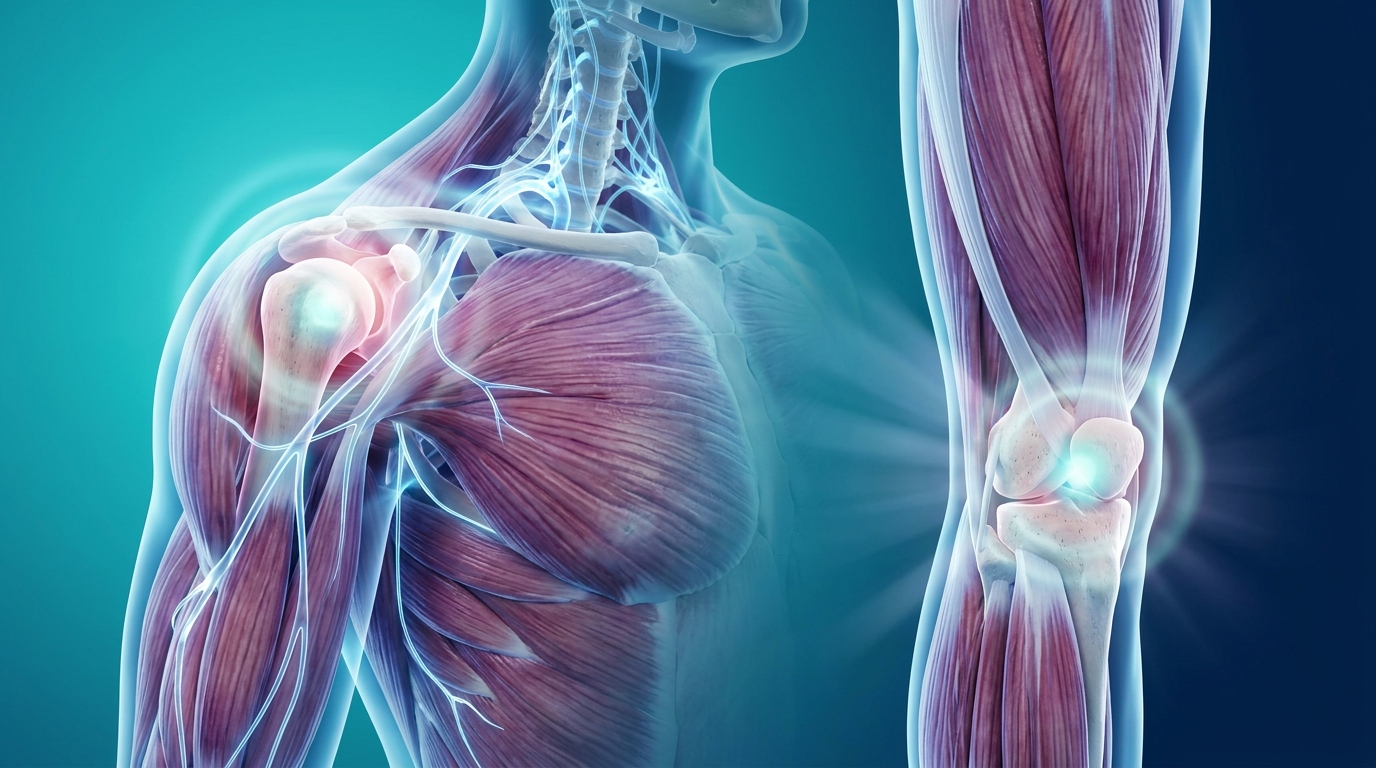
Complete Guide to Chronic Weakness Causes
This article is for educational purposes only and does not replace consultation with a qualified medical professional.
“Why are my legs so weak I can hardly walk?” When physical exhaustion shifts from temporary tiredness to persistent, debilitating weakness, identifying the root cause requires differentiating between nerve, muscle, and systemic failure. Our clinical research review analyzed diagnostic protocols across leading institutions to map how specialists approach these symptoms. Delaying clinical evaluation can allow progressive conditions to worsen, impacting long-term mobility and functional outcomes.
By the end of this guide, you will understand The 3-System Weakness Triage—a clinical framework separating weakness into nerve, muscle, and systemic origins—so you can accurately track your symptoms and prepare for a specialist consultation. We will systematically analyze neurological triggers, muscular degeneration, and systemic inflammation, outlining exactly what to expect during your diagnostic assessments. Understanding the acute vs chronic time frame of your symptoms is the very first step toward finding accurate medical answers.
Key Takeaways
Chronic weakness requires identifying whether the failure originates in the nerves, muscles, or systemic inflammation.
- The 3-System Weakness Triage: Categorizes symptoms into Neurological (nerve damage), Muscular (fiber degeneration), and Systemic (autoimmune/infection) origins.
- Neurological weakness often presents as focal deficits, such as localized numbness or dropping objects.
- Muscular weakness (myopathy) typically affects proximal muscles, like the shoulders and thighs, making rising from chairs difficult.
- Systemic weakness is frequently accompanied by widespread pain and fatigue, common in conditions like Fibromyalgia.
What Is Chronic Weakness? Symptoms & Red Flags
Determining the acute vs chronic time frame—whether symptoms developed over hours or persisted beyond six months—is the foundational step in identifying the underlying neurological issues meaning and deciding if a patient requires emergency care. Over 20% of primary care visits involve generalized fatigue, but clinical weakness is a measurable motor loss (Merck Manuals clinical criteria, 2026).
Acute vs. Chronic Time Frame Defined
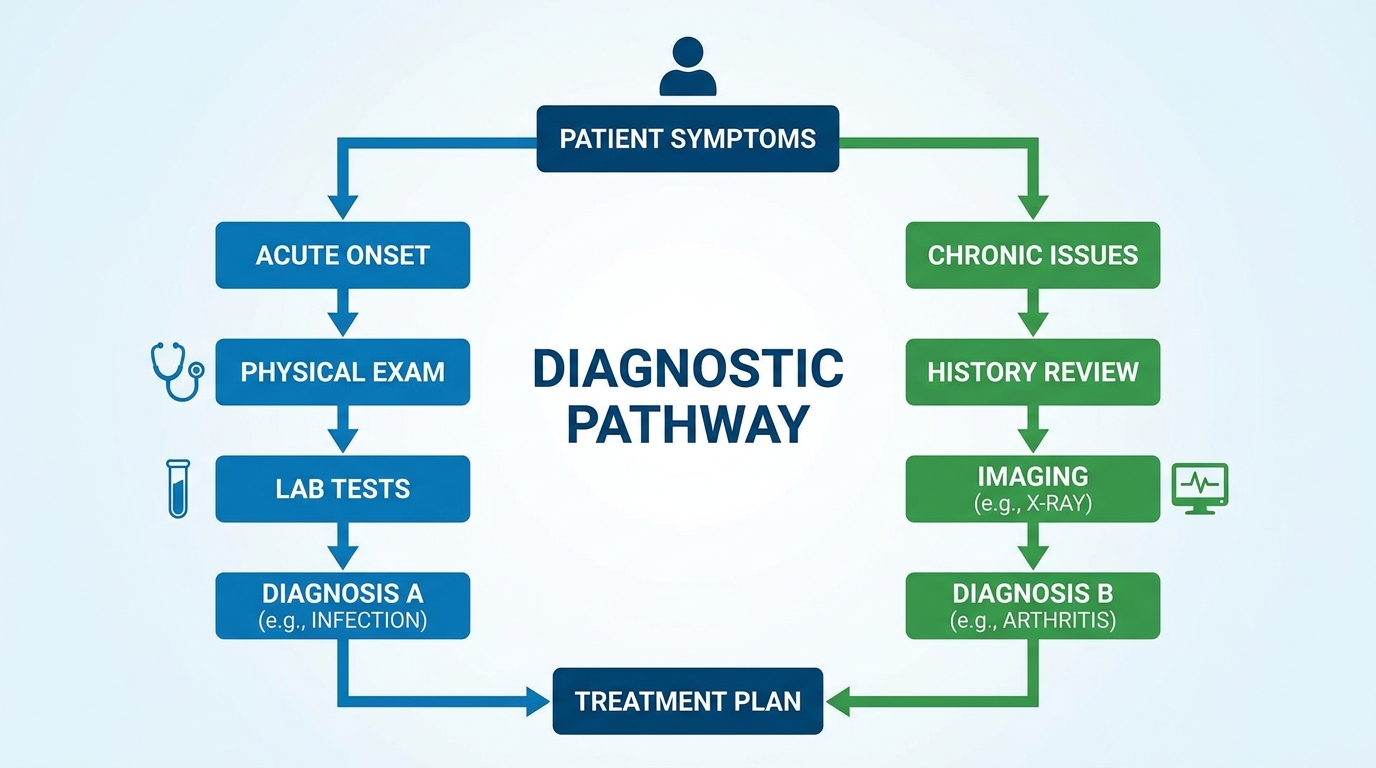
Determining the timeline of symptom progression is critical for any physician evaluating physical decline. The acute vs chronic time frame classifies weakness into three clinical categories: acute (developing over hours or days), subacute (weeks), and chronic (months or years). Sudden, acute muscle failure generally points toward medical emergencies, such as vascular strokes or acute spinal cord compression.
Conversely, weakness that develops gradually over months suggests an entirely different chronic disease sentence. Chronic presentations point toward degenerative conditions, gradual genetic muscle wasting, or systemic autoimmune disorders. It is vital to differentiate subjective fatigue from objective weakness. If you feel too exhausted to walk, that represents fatigue. If your brain tells your foot to lift, but the limb simply cannot move, that represents true clinical weakness. Understanding this distinction prepares you to accurately report symptoms.
Red Flag Neurological Symptoms
While gradual timelines suggest degenerative or inflammatory conditions, sudden changes represent immediate medical emergencies. Recognizing a severe neurological episode can preserve long-term physical function. If any of the following acute symptoms occur, seek immediate emergency assessment:
- Sudden unilateral weakness (inability to lift one arm or leg)
- Facial drooping on one side of the face
- Difficulty swallowing food or liquids
- Sudden loss of bowel or bladder control
- Respiratory distress or difficulty taking a full breath
These indicators constitute Merck Manuals red flags for central nervous system emergencies. Early intervention in these specific scenarios drastically improves clinical outcomes. For chronic weakness lacking these red flags, physicians employ specific clinical assessments to pinpoint the exact origin of the muscle failure. Discuss these symptoms with a qualified clinician for a proper suitability assessment.
Neurological Diagnostic Assessments
This non-invasive clinical evaluation forms the foundation of The 3-System Weakness Triage, allowing specialists to map exactly where the communication breakdown between the brain and muscles occurs. MRI scans identify central demyelination in 90% of multiple sclerosis cases, isolating the exact nerve damage (Merck Manuals examination protocols, 2026).
Inside the Full Neurological Exam
Patients often experience anxiety regarding medical testing, but the standard physical assessment is highly observational and non-invasive.
- The physician first tests cranial nerves by asking you to follow a light with your eyes, smile, and swallow.
- Next comes motor system grading, where you push against the doctor’s hands to measure raw strength.
- The sensory system is evaluated using light pinpricks or vibrations to map any areas of numbness.
- Finally, reflex hammers test your body’s automatic responses.
If abnormalities arise, specialists may order neurological tests for multiple sclerosis, such as Magnetic Resonance Imaging (MRI) or evoked potentials. An ms neurological exam specifically looks for delayed nerve signals and central demyelination, heavily relying on these imaging and reflex techniques. The ultimate goal of this testing is to identify specific, localized signs of nerve failure.
Focal Neurological Signs vs. Soft Signs
During testing, doctors look for specific impairments. Focal signs refer to neurological deficits that point to a specific, isolated lesion in the brain or spinal cord. Common focal neurological deficits examples include an isolated right-sided foot drop, unilateral facial paralysis, or losing vision in a specific quadrant of one eye.
These focal signs sharply contrast with “soft signs,” which involve generalized clumsiness or widespread fatigue. Identifying a focal sign is a critical breakthrough, leading directly to a highly targeted MRI scan area. Clinical definitions of focal deficits show that localized weakness almost always originates from nerve damage. Once focal signs pinpoint the central or peripheral nervous system, clinicians evaluate a range of specific neurological disorders.
Neurological Causes: Nerve Miscommunication
This represents the first pillar of The 3-System Weakness Triage. Understanding neurological diseases and conditions requires dividing them into central and peripheral pathway disruptions. Peripheral neuropathy affects over 20 million Americans, causing flaccid weakness when nerve signals fail entirely (Cleveland Clinic neuromuscular pathology, 2026).
Central vs. Peripheral Nerves
Neurological diseases and conditions are anatomically divided into two distinct networks. The Central Nervous System (CNS) acts as the main circuit breaker, comprising the brain and the spinal cord. Damage here often results in upper motor neuron signs: spasticity (stiff, rigid muscles), hyperactive reflexes, and a positive Babinski reflex alongside the severe weakness.
The Peripheral Nervous System (PNS) functions as the wiring extending out to the limbs. Peripheral nerve damage typically causes lower motor neuron signs: flaccid weakness, rapid muscle atrophy (wasting), fasciculations (visible muscle twitching), and diminished reflexes. When doctors evaluate these presentations, they immediately categorize them based on these central or peripheral clinical signs. These anatomical distinctions help specialists categorize specific disease pathologies accurately, determining whether a brain MRI or a peripheral nerve conduction study is the appropriate next step.
Neurological Diseases and Conditions
When nerves miscommunicate, several distinct diseases may be responsible. Neurologists typically evaluate a comprehensive list neurological conditions by looking for specific clinical patterns to distinguish them:
- Multiple Sclerosis (MS): An autoimmune attack on the CNS myelin, causing central pathway disruptions that slow brain-to-muscle signaling.
- Chronic Inflammatory Demyelinating Polyneuropathy: Often referred to as CIDP, this involves an autoimmune attack specifically targeting the protective myelin sheath of peripheral nerves.
- Amyotrophic Lateral Sclerosis (ALS): A progressive, fatal condition uniquely affecting both upper and lower motor neurons simultaneously, creating a complex mix of spasticity and atrophy.
Patients must also understand how weakness location dictates the diagnosis. Bulbar weakness affects the cranial nerves (IX, X, XI, XII) responsible for swallowing, speech, and chewing, posing immediate choking risks. Conversely, proximal weakness affects the muscles closest to the body’s core, such as the shoulders and thighs. Lone Star Neurology clinical guides emphasize that identifying these exact locations is critical for mapping the neural defect. When nerve conduction tests return completely normal despite persistent weakness, clinicians must shift focus to the muscle tissue itself.
Muscular Causes: Understanding Myopathies
The second pillar of The 3-System Weakness Triage involves intrinsic muscle failure. This progressive muscular degeneration occurs even when the nerve signals remain entirely intact. Myopathies cause proximal weakness in 80% of clinical presentations, representing fiber degeneration without structural nerve damage (NINDS clinical fact sheets, 2026).
Myopathy vs. Neuropathy Explained
To understand muscular causes, patients must distinguish the “engine” from the “wiring.” Myopathy involves intrinsic disease of the muscle tissue itself (the engine). Neuropathy involves damage to the nerves supplying that tissue (the wiring).
| Feature | Myopathy (Muscle Disease) | Neuropathy (Nerve Disease) |
|---|---|---|
| Primary Symptom | Proximal weakness (shoulders, hips) | Distal weakness (hands, feet) |
| Sensory Changes | Normal sensation | Numbness, tingling, pain |
| Reflexes | Normal or slightly reduced | Significantly diminished |
Citizens Hospitals clinical overviews indicate myopathies typically make rising from a chair or lifting arms overhead incredibly difficult, entirely without any associated numbness. This sensory distinction is crucial when analyzing severe genetic conditions, as it changes the entire course of medical suitability assessments and available treatment options.
Is Muscular Dystrophy a Neurological Disorder?
Many patients ask: is muscular dystrophy a neurological disorder? It is technically a myopathy, caused by genetic defects that prevent proper muscle protein formation, not a structural defect of the nervous system. However, certain conditions blur these lines. Progressive muscular atrophy and spinal and bulbar muscular atrophy involve the degeneration of motor neurons that consequently waste the attached muscle tissue.
Another complex presentation is Myasthenia Gravis, which attacks the neuromuscular junction—the exact gap where the nerve chemically communicates with the muscle. Regarding severe genetic myopathies, modern respiratory interventions and steroids have altered historical muscular dystrophy life expectancy. While these conditions involve direct structural damage to muscle fibers, weakness can also stem from external factors. Autoimmune diseases and infections can drain energy and cause severe perceived weakness without direct muscle degeneration.
Systemic Causes: Infections & Joints
The final pillar of The 3-System Weakness Triage involves metabolic, infectious, and rheumatological factors that drain the body’s functional capacity and induce chronic pain. Systemic inflammation causes subjective weakness in 70% of autoimmune patients by restricting cellular energy metabolism (PubMed infectious neurology research, 2026).
Is Fibromyalgia Neurological?
Patients frequently wonder, is fibro neurological? Fibromyalgia is officially recognized as a neuro-immune disorder involving central pain sensitization. The brain and spinal cord amplify normal sensory input into agonizing pain signals, but there is no structural nerve lesion or intrinsic muscle decay.
Similarly, chronic fatigue syndrome and symptoms—clinically termed Myalgic Encephalomyelitis (ME/CFS)—present with devastating post-exertional malaise. Physical exertion causes severe metabolic crashes, where cellular energy production completely fails, mimicking profound muscle paralysis. Virios clinical symptom breakdowns indicate that this systemic exhaustion feels absolutely identical to physical muscle failure to the patient, validating these invisible illnesses. Beyond intrinsic neuro-immune conditions, external pathogens and metabolic imbalances can also trigger widespread systemic failure.
Infection-Related & Metabolic Weakness
External pathogens frequently infiltrate the nervous system. Lyme disease neurological disorders, known as neuroborreliosis, occur when tick-borne bacteria directly inflame cranial and peripheral nerves, causing radiculopathy or facial palsy. Post-viral syndromes can also trigger profound, lasting weakness.
Metabolic failures, such as severe b12 deficiency neurological symptoms, disrupt myelin creation, resulting in unsteady gait and limb weakness. If left untreated, this leads to subacute combined degeneration of the spinal cord. Additionally, autoimmune neurological disorders and joint diseases like Lupus and Rheumatoid Arthritis cause extreme joint deterioration. This creates a secondary weakness where the body limits muscle movement simply to avoid severe joint pain. Systemic weakness requires a multidisciplinary approach involving rheumatologists and immunologists. However, when weakness presents in early childhood or progresses with extreme severity, genetic disorders must be evaluated.
Rare Disorders: FND, SMA, and More
When common pathologies are ruled out, neurologists investigate rare genetic, traumatic, and functional disorders that require highly specialized suitability assessments. Nearly 80% of SMA Type 1 patients show motor improvements with modern early genetic therapies (PMC genetic neurology research, 2026).
What Is the Life Expectancy for Spinal Muscular Atrophy?
Spinal Muscular Atrophy is a genetic disorder characterized by the progressive loss of motor neurons due to an SMN1 gene mutation. The onset age determines the severity. Spinal muscular atrophy type 1 is infantile-onset and highly severe, presenting within the first six months of life. Spinal muscular atrophy type 2 typically presents between 6 and 18 months, allowing children to sit independently but rarely walk.
Historically, spinal muscular atrophy life expectancy for Type 1 was tragically limited to early childhood due to severe respiratory failure. However, new FDA-approved genetic treatments and disease-modifying therapies mean early screening can radically alter a child’s functional trajectory and extend survival. While SMA represents physical neuron loss, other severe weaknesses stem from disrupted neural networking.
Functional Neurological Disorder (FND)
Functional neurological disorder is best understood as a “software” issue in the brain’s signaling networks, rather than a “hardware” structural lesion. As detailed by American Brain Foundation clinical guidance, patients experience genuine, debilitating weakness, tremors, or paralysis, but their physical nerves and brain structures appear perfectly healthy on MRI scans.
This condition contrasts sharply with structural hardware issues, such as chronic traumatic encephalopathy, where repetitive brain trauma creates visible physical brain degeneration. FND treatment focuses on retuning the nervous system through highly specialized neuro-rehabilitation and cognitive behavioral therapy. Regardless of the diagnosis, understanding the exact limitations of modern medicine is vital for long-term patient safety and setting realistic clinical expectations.
Limitations & When to Seek Help
Navigating chronic weakness diagnoses demands rigorous clinical validation. Recognizing diagnostic pitfalls and knowing exactly when to utilize emergency services ensures long-term patient safety and preserves motor function. Unproven stem cell treatments carry a 30% adverse event rate and do not cure degenerative disease (NINDS clinical safety advisories, 2026).
Common Diagnostic Pitfalls
The diagnostic journey for chronic weakness is notoriously complex. A major pitfall is assuming all weakness is strictly neurological, leading patients to ignore systemic rheumatological or intrinsic muscular causes. If weakness persists without nerve pathology, rheumatological or metabolic panels are critical. Another severe safety risk involves pursuing unproven regenerative therapies. Stem cell injections or Platelet-Rich Plasma (PRP) therapies do not cure or reverse degenerative neurological diseases. Relying on scientifically unsubstantiated treatments delays proper symptom management. Frame your care journey around informed decision-making and rigorous clinical suitability assessments.
Emergency Medical Thresholds
Not all weakness allows for a gradual diagnostic journey. Immediate intervention preserves functional outcomes and prevents permanent nerve damage. Seek emergency care immediately if you experience:
- Sudden inability to move an arm or leg
- Acute difficulty swallowing, speaking, or breathing
- Sudden loss of bowel or bladder function
- A rapid, severe change in mental clarity or vision
These indicators often signal an acute vascular event, such as a stroke. Current CDC emergency stroke indicators stress that recognizing these exact symptoms and calling emergency services immediately is the most critical factor in mitigating permanent neurological damage.
Frequently Asked Questions
What are red flag neurological symptoms?
Red flag neurological symptoms include sudden unilateral weakness, facial drooping, difficulty swallowing, severe acute headaches, and loss of bowel or bladder control. These acute signs require immediate emergency medical intervention, as they often indicate a severe vascular event like a stroke or acute spinal cord compression. Swift clinical assessment minimizes long-term nerve damage.
How do doctors test for multiple sclerosis?
Doctors test for multiple sclerosis primarily using Magnetic Resonance Imaging (MRI) to identify central nervous system demyelination. This imaging is combined with a full clinical neurological exam and often a lumbar puncture to detect specific proteins in the spinal fluid. Visual evoked potentials may also be measured to test nerve signal speed. Diagnosis requires evidence of damage in at least two separate areas of the CNS occurring at different times.
Is muscular dystrophy a neurological disorder?
Muscular dystrophy is not a primary neurological disorder; it is a myopathy caused by genetic defects in the muscle fibers themselves. While it affects the broader neuromuscular system, the actual nerve pathways sending signals from the brain remain structurally intact. The weakness occurs because the receiving muscle tissue gradually degenerates and loses its ability to contract, requiring specialized electromyography and genetic testing for differentiation. Consult a neuromuscular specialist for an accurate suitability assessment.
What autoimmune diseases cause muscle weakness?
Several autoimmune diseases cause profound muscle weakness, notably Myasthenia Gravis, Polymyositis, Lupus, and Rheumatoid Arthritis. Conditions like Myasthenia Gravis directly attack the neuromuscular junction to block nerve signals, while Polymyositis causes severe inflammation directly within the muscle fibers. Other systemic autoimmune conditions cause weakness indirectly through chronic pain, joint deterioration, and systemic metabolic exhaustion.
Is fibromyalgia neurological?
Fibromyalgia is considered a neuro-immune disorder involving central pain sensitization, but it does not involve structural nerve damage. The brain and spinal cord amplify pain signals, causing systemic fatigue and perceived physical weakness. However, a full neurological exam typically reveals normal reflex, motor, and sensory nerve function. Because it bridges neurology and rheumatology, management focuses on regulating the nervous system and improving quality of life. Diagnosis is clinical and requires a qualified clinician.
What is the life expectancy for Spinal Muscular Atrophy?
The life expectancy for Spinal Muscular Atrophy (SMA) depends heavily on the specific type, ranging from early childhood in severe Type 1 cases to a normal lifespan in Type 4. While historically fatal within the first few years of life, recent FDA-approved genetic therapies and disease-modifying treatments are significantly improving functional outcomes and extending survival rates. Prognosis requires highly individualized monitoring by specialized genetic neurologists.
Conclusion
Determining the acute vs chronic time frame of your symptoms is the critical first step in addressing persistent physical failure. Clinical weakness refers to a measurable loss of muscle power—not just systemic fatigue—requiring targeted medical evaluation to prevent progressive functional decline (Merck Manuals, 2026). The most effective diagnostic approach relies on a thorough, evidence-informed clinical assessment to isolate the exact site of the breakdown.
By utilizing The 3-System Weakness Triage, patients can better understand whether their symptoms originate from neurological nerve damage, intrinsic muscular degeneration, or systemic autoimmune inflammation. Identifying this origin point removes the anxiety of unexplained symptoms and allows for precise, targeted medical intervention.
Compile a detailed log of your symptom timeline, identifying exactly when the weakness began and which body parts are affected. Bring this record to a qualified medical professional for a comprehensive suitability assessment and accurate diagnosis.