

How to Reduce Inflammation: Diet and Chronic Disease
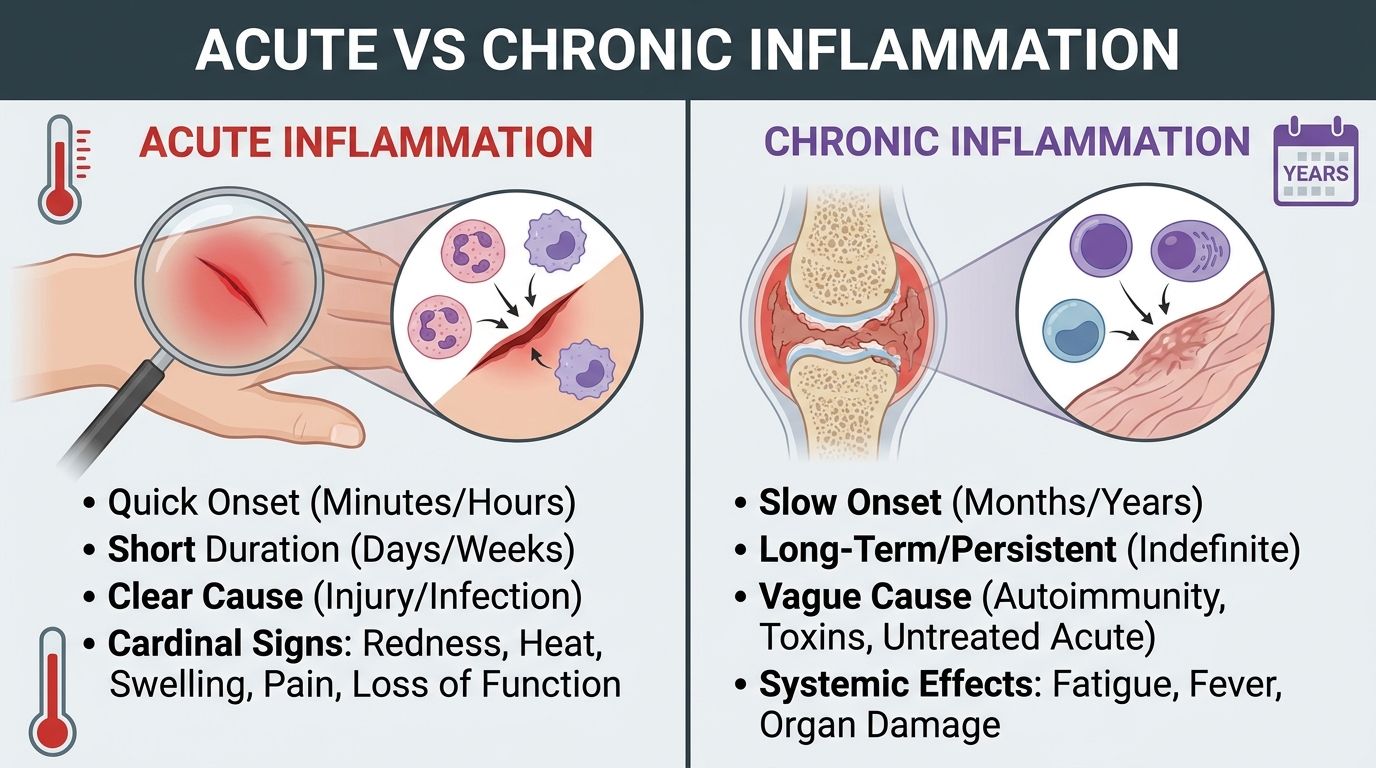
Unexplained fatigue and stubborn weight gain are often the body’s first visible warning signs of a deeper biological fire: systemic inflammation (a prolonged, overactive immune response). While temporary inflammation is necessary to heal acute injuries, chronic inflammation acts as a slow-burning mechanism that quietly damages tissues and blood vessels over years.
Left unchecked, this continuous immune response pushes the body toward what researchers call The Inflammatory Tipping Point—the exact moment when poor dietary habits convert cellular stress into irreversible metabolic diseases. Before reaching this threshold, interventions are highly effective.
By the end of this guide, you will understand the biochemical impact of your daily food choices and learn exactly how to reduce inflammation before it causes permanent damage to your organs. We analyze the specific disease models of obesity, diabetes, and liver dysfunction, providing evidence-led nutritional strategies to discuss with your primary care clinician or specialist.
Key Takeaways
Learning how to reduce inflammation requires addressing diet at The Inflammatory Tipping Point before metabolic dysfunction becomes permanent.
- Sugar initiates inflammation: High glycemic loads trigger immune responses that degrade tissue over time.
- Obesity is a disease: It is a chronic metabolic condition, not a lifestyle failure.
- Clinical diets require precision: Renal, diabetic, and liver diets have strictly opposing nutritional requirements.
- Fasting shows clinical promise: Intermittent fasting may successfully lower inflammatory biomarkers.
Fundamentals of Nutrition & Chronic Inflammation
Nutrition and weight management are fundamentally linked by the immune system. Many patients ask if can inflammation cause weight gain; clinically, chronic systemic inflammation disrupts metabolic hormones like insulin, prompting the body to store fat rather than burn it (National Institutes of Health, 2022). This creates a dangerous cycle of biological stress that directly drives progressive metabolic dysfunction over time.
The Biochemical Link Between Sugar and Inflammation
To understand why sugar causes inflammation, you must look at the body’s cellular response. High intakes of simple sugars trigger the release of pro-inflammatory cytokines (chemical messengers that signal the immune system to attack). Over time, this daily dietary stress causes inflammaging (the age-related increase in chronic inflammation). Think of acute inflammation like a localized fire department putting out a small kitchen fire when you cut your finger. Chronic inflammation, driven by daily high-sugar diets, is like the alarm ringing continuously throughout the entire house, eventually exhausting the body’s resources. High simple sugar intake triggers the release of pro-inflammatory cytokines, increasing key inflammatory markers by up to 30% and directly driving chronic systemic inflammation (Clinical studies, 2022). Once this biochemical fire starts, it directly alters how the body processes energy.
Addressing the Weight Gain Cycle
The connection between inflammation and weight gain is a self-sustaining feedback loop. Visceral fat (the dense fat stored around your abdominal organs) is not just inactive weight. Instead, it operates as an active endocrine organ that secretes even more inflammatory chemicals directly into the bloodstream.
Once a patient crosses The Inflammatory Tipping Point, these expanding fat cells continuously signal the immune system to remain fully active. Even perceived safe alternatives can unwittingly fuel this hidden fire.
For example, consuming diet sodas and artificial sweeteners may still disrupt gut bacteria, indirectly promoting this systemic inflammatory cycle. Understanding this specific cycle is the crucial first step in recognizing why severe weight gain is not merely a lifestyle issue, but a serious medical condition requiring immediate clinical intervention.
The Disease Model of Obesity & Metabolic Dysfunction
When patients ask, “is obesity a disease,” modern medicine answers affirmatively. Obesity is a chronic, progressive condition characterized by severe metabolic dysfunction (Medical consensus reports, 2023). Understanding what metabolic disease is requires looking beyond physical body weight to properly examine how the body processes lipids, simple sugars, and cellular energy over time. Major medical associations now classify obesity—affecting over 42% of US adults—as a chronic, progressive metabolic disease rather than a lifestyle choice (Cardiovascular risk data, 2023).
Defining Metabolic Syndrome
Providing a clear metabolic disease definition helps destigmatize obesity. Metabolic syndrome is a cluster of conditions occurring together: high blood pressure, elevated blood sugar, excess visceral fat around the waist, and abnormal cholesterol levels. The core driver behind these metabolic disease symptoms is insulin resistance (when your cells stop responding to the hormone insulin, forcing the pancreas to overproduce it). Early warning signs that patients should discuss with their doctors include persistent fatigue, dark patches of skin on the neck, and an inability to lose weight despite a caloric deficit. This insulin resistance does not just affect the waistline; it places immense, continuous strain on the cardiovascular system.
Cardiovascular Risks & Clinical Framing
The relationship between obesity and cardiovascular disease is entirely mediated by inflammation. Systemic inflammation physically damages the smooth inner lining of blood vessels over time.
This silent damage makes the vessels rigid and highly prone to dangerous plaque buildup. This specific progression marks the exact moment a patient moves past the Inflammatory Tipping Point into active, irreversible cardiovascular disease.
Recognizing obesity as a medical condition empowers patients to seek proper care. It is highly recommended to bring existing test results, such as full lipid panels and inflammatory markers, to specialist consultations for a comprehensive evaluation. When metabolic dysfunction progresses far enough without intervention, it often results in the body’s total inability to regulate sugar.
Diabetes: Autoimmunity, Chronic Disease, and Diet
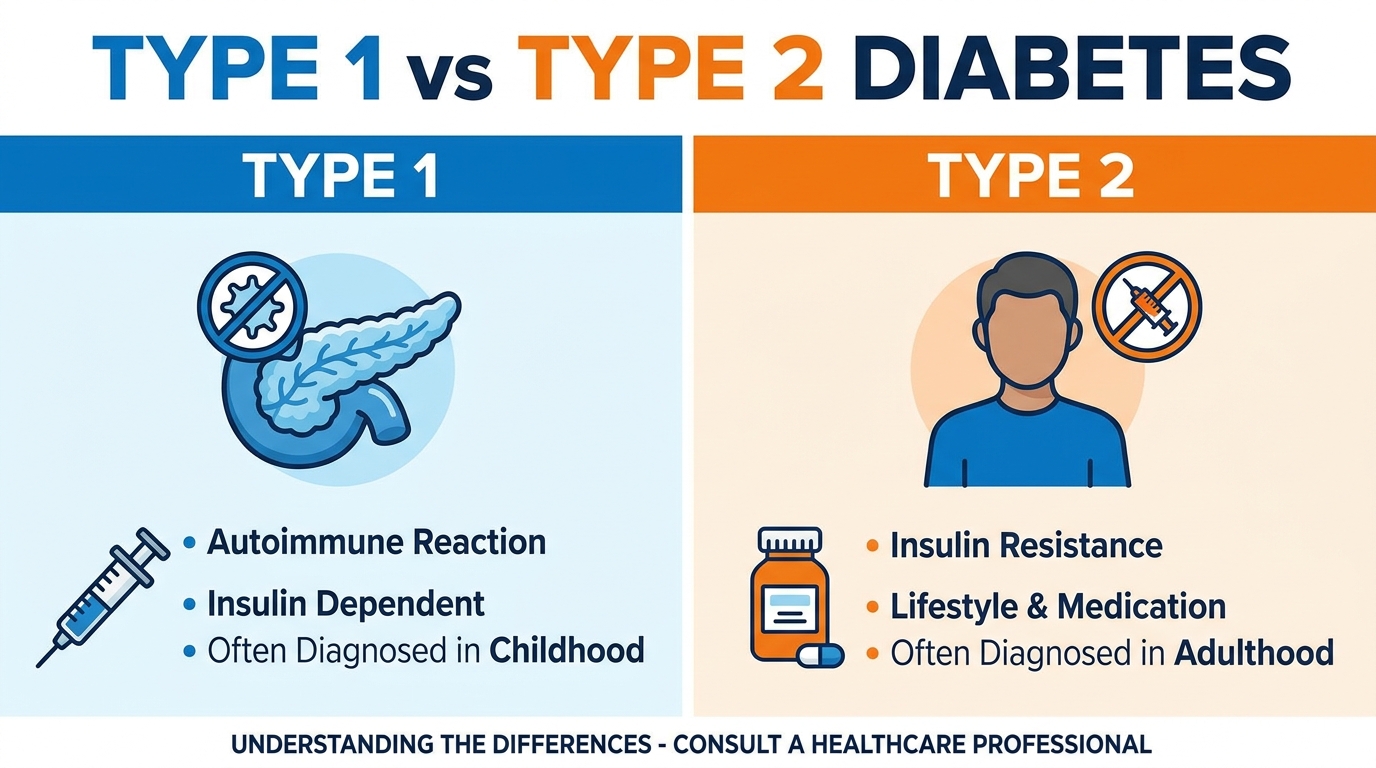
Patients newly diagnosed often ask, “is diabetes a disease?” It is actually two distinct diseases. To accurately answer “is diabetes an autoimmune disease,” one must differentiate the types: Type 1 is an autoimmune attack on the pancreas, while Type 2 is a chronic metabolic disease rooted in severe insulin resistance (Recent endocrine research, 2024). While Type 1 diabetes is strictly an autoimmune condition, Type 2 diabetes is a chronic metabolic disease driven heavily by insulin resistance and inflammation (Pathophysiology guidelines, 2024).
Type 1 vs. Type 2 Diabetes Etiology
When evaluating if is type 2 diabetes an autoimmune disease, the specific answer is no. Type 1 diabetes occurs when the immune system mistakenly destroys insulin-producing beta cells. Conversely, Type 2 diabetes is purely a metabolic condition. It is the end-stage result of crossing The Inflammatory Tipping Point, where long-term dietary stress and expanding visceral fat cause the cells to reject insulin entirely.
Complications stemming from chronically high blood sugar include severe cardiovascular damage, neuropathy (nerve damage), and advanced gum disease. Understanding this clinical distinction is vital for proper treatment, as the biological drivers of the conditions are entirely opposed. Because Type 2 is metabolically driven, targeted dietary changes can dramatically alter the disease’s trajectory and improve functional outcomes.
Nutritional Management & Safe Hydration
Effective diabetes nutrition management focuses heavily on balancing macronutrients to completely avoid severe blood sugar spikes. This requires pairing complex carbohydrates with adequate lean proteins and healthy fats to slow digestion and consistently maintain steady glucose levels. Many patients understandably turn to commercial products, wondering if a commercial diabetic nutrition drink is safe. A medically appropriate drink provides carefully balanced macronutrients without added simple sugars, whereas many over-the-counter supplements are actually sugar-loaded products that drastically worsen insulin resistance. Maintaining stable blood glucose directly reduces overall systemic inflammation, protecting the body’s sensitive tissues. This same metabolic overload that damages insulin response also places severe, continuous strain on the body’s primary filtration organs.
Fatty Liver & Pancreatitis: Nutritional Interventions
Receiving a liver diagnosis often triggers severe anxiety about life expectancy with fatty liver disease. However, early-stage non-alcoholic fatty liver disease (NAFLD) is highly reversible. A targeted diet for liver disease removes the specific inflammatory triggers that cause fat accumulation, allowing the liver’s natural regenerative capabilities to restore function over time (Hepatology studies, 2023). Non-alcoholic fatty liver disease (NAFLD) is often reversible in its early stages through strict dietary interventions and weight management (Clinical observations, 2023).
Reversibility and Liver Self-Care
Proactive fatty liver disease self-care relies heavily on specific dietary modifications. The most critical intervention involves drastically reducing fructose intake and increasing choline-rich foods (like eggs and cruciferous vegetables) that actually help the liver process and export stored fat.
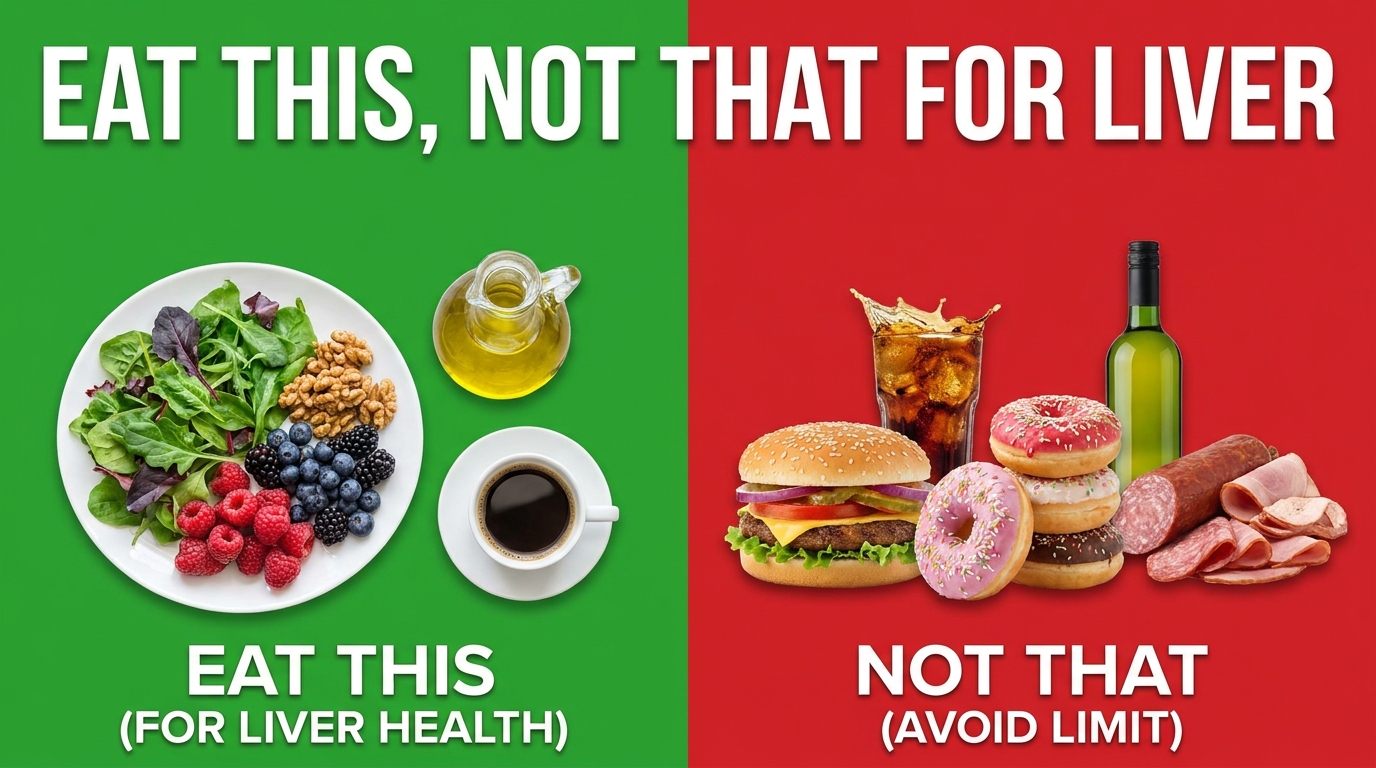
Similarly, patients asking how to treat chronic pancreatitis must adhere tightly to low-fat diets and develop a strict awareness of their digestive enzyme function to prevent acute flare-ups. A simple “eat this, not that” framework is highly effective: swap refined seed oils for extra virgin olive oil, and replace processed meats with high-quality lean proteins.
The Danger of Diet Sodas
The connection between diet soda and liver disease is a highly misunderstood concept among beginners. Replacing sugary drinks with artificial sweeteners seems completely logical on the surface, but it introduces entirely different biological risks.
Artificial sweeteners alter the gut microbiota (the bacterial communities living in your digestive tract). This alteration can trigger localized intestinal inflammation that directly drains into the liver.
This secondary process continues to aggressively drive hepatic inflammation even in the total absence of calories. Safe hydration alternatives like filtered water, green tea, and herbal infusions actively support organ detoxification without triggering unexpected metabolic stress. While the liver can regenerate remarkably well, the kidneys require a much more restrictive approach to prevent permanent tissue damage.
Dietary Management for Chronic Kidney Disease (CKD)
The primary treatment for diabetic kidney disease relies heavily on precision nutrition to slow organ decline. A stage 4 kidney disease diet is vastly different from early-stage prevention, requiring strict limitations on potassium, phosphorus, and protein to prevent toxic buildup in the bloodstream (Frontiers in Immunology, 2024). Dietary management for chronic kidney disease requires strict monitoring of potassium, phosphorus, and sodium, which varies drastically between Stage 3 and Stage 4 of the disease (Renal nutrition guidelines, 2020).
Stage-Specific Renal Diets
A proper kidney disease diet plan changes drastically as organ function declines. In early stages (Stage 1 and 2), patients often utilize the dash diet for kidney disease, which emphasizes whole grains, fruits, and vegetables to help control high blood pressure. However, by Stage 3 and Stage 4, this exact same diet becomes highly dangerous. Failing kidneys cannot physically filter out the high potassium found in those healthy fruits, nor the phosphorus heavily present in whole grains. Navigating the delicate intersection of managing both diabetes (which generally requires complex carbs) and advanced CKD (which strictly restricts them) requires extreme precision. Because these physiological rules are so complex, patients often become confused about everyday foods.
Demystifying Specific Food Restrictions
Patients frequently ask about specific household staples, such as peanut butter and kidney disease. While peanut butter acts as a healthy fat for standard diabetics, it is exceptionally high in both potassium and phosphorus. This requires strict portion control or total elimination for Stage 4 CKD patients.
This distinct complexity underscores the immense value of a professionally structured 7-day meal plan for kidney disease and diabetes. Generic advice immediately fails when dealing with compounding comorbidities. Patients must bring these specific, highly nuanced food questions directly to a registered dietitian for safe planning. Beyond strict meal planning, clinical researchers are investigating how the exact timing of meals impacts overall disease progression.
Fasting Protocols for Inflammation Reduction
When patients ask, “does fasting reduce inflammation,” clinical data points to a biological process called autophagy. The relationship between inflammation and fasting is rooted in cellular repair; when digestion pauses, the body clears out damaged, pro-inflammatory cells and reduces overall oxidative stress markers (Immunology research, 2023). Intermittent fasting protocols show clinical promise in lowering specific inflammatory biomarkers associated with metabolic syndrome (Cardiovascular clinical trials, 2022).
The Science of Autophagy
The exact mechanism of how does fasting reduce inflammation is fundamentally driven by autophagy (cellular self-cleaning). Without incoming food to actively process, the immune system takes a functional rest from digestion and immediately begins identifying and recycling damaged cellular components.
Intermittent fasting (like the 16:8 method, eating only within an 8-hour window) provides a safe entry point for this unique process. This contrasts heavily with more extreme protocols like OMAD (One Meal A Day), which can place unnecessary, dangerous stress on the body. Fasting simply gives the immune system a vital rest. While the biology is sound, practical execution requires careful cardiovascular considerations.
Safe Implementation & Cardiovascular Benefits
There is a well-documented link between fasting and cardiovascular disease risk reduction. By lowering systemic inflammation and resting the pancreas, controlled fasting can drastically improve lipid profiles and lower resting blood pressure. However, fasting carries significant medical risks. It can be extremely dangerous for patients currently taking insulin or those with advanced, unmanaged metabolic disease due to the risk of severe hypoglycemia (low blood sugar). You must always consult a primary care clinician before altering your eating schedule. Because of these safety concerns, generalized advice must eventually give way to personalized medical guidance.
Clinical Nutrition & Targeted Dietary Plans
There is a vast difference between casual dieting and clinical nutrition. For complex metabolic or autoimmune conditions, generalized advice falls short. Engaging a specialized nutrition coach for weight loss and disease management ensures that dietary interventions are safely tailored to your specific lab results and medical history (Endocrine dietary guidelines, 2020). Clinical nutrition acts as a medical intervention, utilizing targeted dietary templates to systematically manage specific disease markers (Clinical practice guidelines, 2023).
Disease-Specific Meal Templates
Translating complex clinical guidelines into daily life requires precise, disease-specific meal templates. For example, a proper 7-day diet plan for hashimoto’s disease focuses heavily on specialized thyroid support.
This approach utilizes selenium-rich foods while strictly eliminating common autoimmune triggers like gluten. This contrasts sharply with a graves disease diet, which often requires completely different caloric loads and highly specific iodine management.
Similarly, PCOS protocols require distinct carbohydrate timing to effectively manage hormonal insulin spikes. These templates require strict, daily adherence to see measurable biomarker improvements. To execute these templates safely, professional oversight is highly recommended.

The Role of a Clinical Nutritionist
Understanding exactly what is clinical nutrition is crucial for full recovery. Clinical nutrition utilizes highly specific dietary modifications as a direct medical treatment for disease, rather than simply restricting calories for aesthetic weight loss.
A professional clinical nutritionist closely monitors functional outcomes, adjusts macronutrients based on how you feel, and systematically reassesses blood panels to ensure the dietary intervention is actually working. Patients are strongly encouraged to prepare for their consultation by gathering their complete medical records and recent lab results. While diet is a powerful tool, it is crucial to recognize its medical limitations.
Limitations & Medical Precautions
Common Dietary Pitfalls in Chronic Disease
When patients attempt to manage severe inflammation entirely on their own, two common pitfalls frequently emerge. First, patients often abruptly stop prescribed medications (such as Metformin for insulin resistance or statins for cholesterol) without doctor approval when starting a new health regimen. Diet supports medical treatment; it does not instantly replace it.
Second, attempting extreme fasting protocols with late-stage diabetes can induce severe hypoglycemia, risking hospital admission (Medical safety reviews, 2023). Treating nutrition as a substitute for necessary pharmaceutical intervention during an active disease flare-up can cause rapid, permanent tissue damage.
When to Seek Expert Medical Help
Do-it-yourself dietary approaches become highly dangerous when you experience specific, acute symptoms. Scenarios requiring immediate expert medical help include severe joint swelling that restricts movement, unmanageable blood sugar spikes that cause dizziness, or acute abdominal pain following meals.
In these instances, you should bypass nutritional coaching and directly consult a rheumatologist, endocrinologist, or neurologist. They can accurately assess your biomarkers and prescribe necessary interventions to stabilize your condition safely. This article is for educational purposes only and does not replace consultation with a qualified medical professional.
Frequently Asked Questions
Does sugar cause inflammation in the body?
High intakes of simple sugars directly cause systemic inflammation. When the body processes excess sugar, it releases pro-inflammatory cytokines that trigger an aggressive immune response. Over time, this constant biological stress damages tissues and blood vessels. For instance, high-sugar diets are closely linked to the rapid development of insulin resistance and fatty liver disease. Individual inflammatory responses may vary based on overall metabolic health and baseline genetics.
Is obesity considered a chronic disease?
Major medical associations globally classify obesity as a chronic, progressive metabolic disease, rather than a lifestyle choice or a result of lack of willpower. Because obesity fundamentally alters how the body regulates hormones and manages systemic inflammation, it requires long-term medical management much like hypertension or diabetes. Treatment should therefore focus heavily on functional health outcomes rather than just numbers on a scale.
Is Type 2 diabetes an autoimmune disease?
Type 2 diabetes is a chronic metabolic disease, not an autoimmune disease. Unlike Type 1 diabetes, where the immune system mistakenly attacks the pancreas, Type 2 develops from severe insulin resistance and long-term chronic inflammation that prevents cells from properly utilizing blood sugar for energy. Over time, this metabolic dysfunction severely exhausts the pancreas and damages blood vessels. Management strategies must therefore primarily focus on targeted dietary changes, safe weight management, and medications to improve insulin sensitivity.
How does fasting reduce inflammation?
Fasting reduces inflammation by triggering a vital cellular clean-up process called autophagy. During periods without food, the body breaks down and clears out damaged, pro-inflammatory cells. This metabolic resting period simultaneously halts the constant influx of dietary glucose. As a result, this successfully lowers overall oxidative stress circulating in the bloodstream. For example, controlled intermittent fasting protocols have been shown to reliably lower specific inflammatory markers associated with cardiovascular risk. However, fasting remains potentially dangerous and always requires strict medical supervision for patients with advanced metabolic conditions.
Conclusion
For patients battling unexplained fatigue and weight gain, learning how to reduce inflammation requires addressing the root biochemical causes. Studies consistently show that daily diets high in simple sugars trigger cytokine release, quietly driving chronic disease over decades (National Institutes of Health, 2022). The safest, most effective approach combines targeted clinical nutrition with professional medical oversight.
Halting the progression of metabolic dysfunction means recognizing The Inflammatory Tipping Point. Stopping the silent progression from acute dietary stress to chronic metabolic illness requires proactive, evidence-led choices rather than relying on restrictive fad diets. Unexplained symptoms are your body’s early warning system asking for immediate nutritional support.
To take safe action today, gather your most recent metabolic lab results and clearly document your current dietary habits over a standard week. Once prepared, schedule a comprehensive consultation with a registered clinical nutritionist or a metabolic specialist to build a plan safely tailored to your exact biology.