
Preventive Clinical Care Guide: Neuro-Immune Conditions
Navigating chronic neurological symptoms often feels like fighting a war without a map—especially when standard tests come back normal but debilitating symptoms persist. For many patients, the diagnostic process becomes an exhausting cycle. Fragmented healthcare leaves individuals bouncing between isolated specialists, losing critical time that could be used to prevent long-term nerve damage and functional decline. The psychological toll of living with an invisible illness is immense, and simply being told “everything looks fine” does not resolve the daily reality of your symptoms.
By the end of this guide, you will understand how to secure accurate diagnoses and build a multidisciplinary plan for preventive clinical care for chronic neurological and autoimmune conditions. This approach prioritizes functional outcomes and disease stabilization over simple symptom suppression. We will break down the differences between core neuro-immune conditions, explore specific invisible disorders like ME/CFS, and detail the exact clinical care strategies needed for long-term health. Taking control of your healthcare journey requires knowledge, preparation, and an evidence-informed clinical strategy.
Key Takeaways
Preventive clinical care for chronic neurological and autoimmune conditions requires early diagnostic precision and a coordinated multidisciplinary medical team.
- The Neuro-Preventive Triad emphasizes early biomarker testing, multidisciplinary intervention, and continuous mitigation to protect nerve function.
- Misdiagnoses are common; specific antibody panels and cerebrospinal fluid (CSF) analysis often reveal inflammatory issues missed by standard MRI scans.
- Conditions like ME/CFS feature severe autonomic dysfunction, requiring specialized neurological assessment rather than generalized fatigue management.
What Are Autoimmune and Neurological Diseases?
Neurological diseases and conditions encompass any disorder affecting the brain, spinal cord, or peripheral nerves, while autoimmune neurological disorders specifically occur when the immune system mistakenly attacks these tissues (NINDS, 2023). This distinction is critical because treating an immune-driven condition requires halting the immune response, not just managing the resulting neurological symptoms. Attempting to suppress nerve pain without stopping the underlying immune attack allows the disease to progress unchecked.
Defining the Neuro-Immune Connection
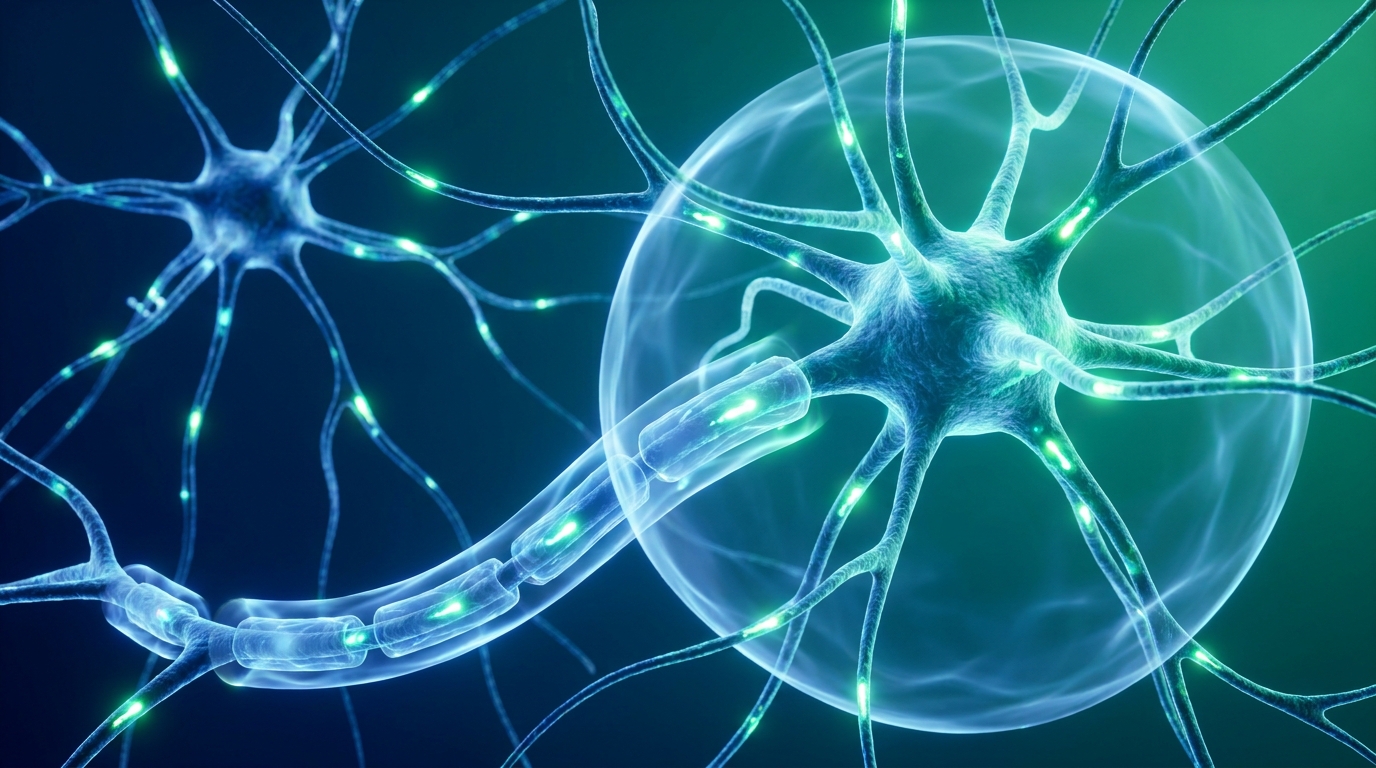
To understand what are neuro conditions, it helps to use a simple analogy of electrical wiring. The brain functions as the central computer, and the peripheral nerves act as the electrical wires carrying signals to the rest of the body. Autoimmune neurological conditions essentially strip the protective insulation—known as myelin—off those wires. When this insulation is damaged, the signals short-circuit, leading to weakness, pain, or paralysis.
There is a major clinical difference between neurodegenerative conditions and immune-mediated ones. Alzheimer’s disease involves the gradual degeneration of brain tissue over time. Conversely, autoimmune encephalitis is an aggressive, immune-mediated attack where the body’s defenses mistakenly inflame healthy brain tissue. According to the National Institute of Neurological Disorders and Stroke, early diagnosis limits long-term neurological deficits (2023). Understanding this mechanism helps explain why specific physical warning signs demand immediate specialist attention rather than a wait-and-see approach.
5 Symptoms to Never Ignore
Differentiating between a generalized symptom—like feeling overly tired—and a focal neurological deficit is vital for early intervention. Focal deficits indicate a localized failure in the nervous system and require urgent medical evaluation. Neurologists recommend seeking immediate care if you experience any of the following specific warning signs.
- Sudden, unexplained vision loss: Especially if it occurs in just one eye or is accompanied by eye pain when moving your gaze.
- Rapidly progressing numbness: A loss of sensation that starts in the feet or hands and moves quickly up the limbs over a matter of days.
- Unexplainable unilateral weakness: The sudden inability to lift one arm, drag one foot, or control one side of your face.
- New-onset severe cognitive confusion: A drastic, sudden change in personality, memory, or psychiatric state that appears out of nowhere.
- Loss of bowel or bladder control: Sudden incontinence paired with severe lower back pain or leg weakness.
When these severe neurological conditions and symptoms emerge, identifying the exact disease category is the next critical step for your medical team.
Common Autoimmune Neurological Disorders
Autoimmune neurological disorders vary widely depending on which part of the nervous system the immune system targets. Autoimmune encephalitis, an inflammatory condition where the immune system attacks the brain, often presents with sudden psychiatric shifts, severe cognitive decline, or seizures. Because the symptoms mimic psychiatric disorders, patients are frequently misdiagnosed initially.
Another serious condition is Chronic inflammatory demyelinating polyneuropathy (CIDP), a rare neurological disorder targeting peripheral nerves. CIDP causes progressive weakness and sensory loss in the arms and legs. Both of these conditions require immediate, aggressive immunotherapy—such as intravenous immunoglobulin (IVIG) or high-dose steroids—to halt the immune attack and prevent permanent structural nerve damage.
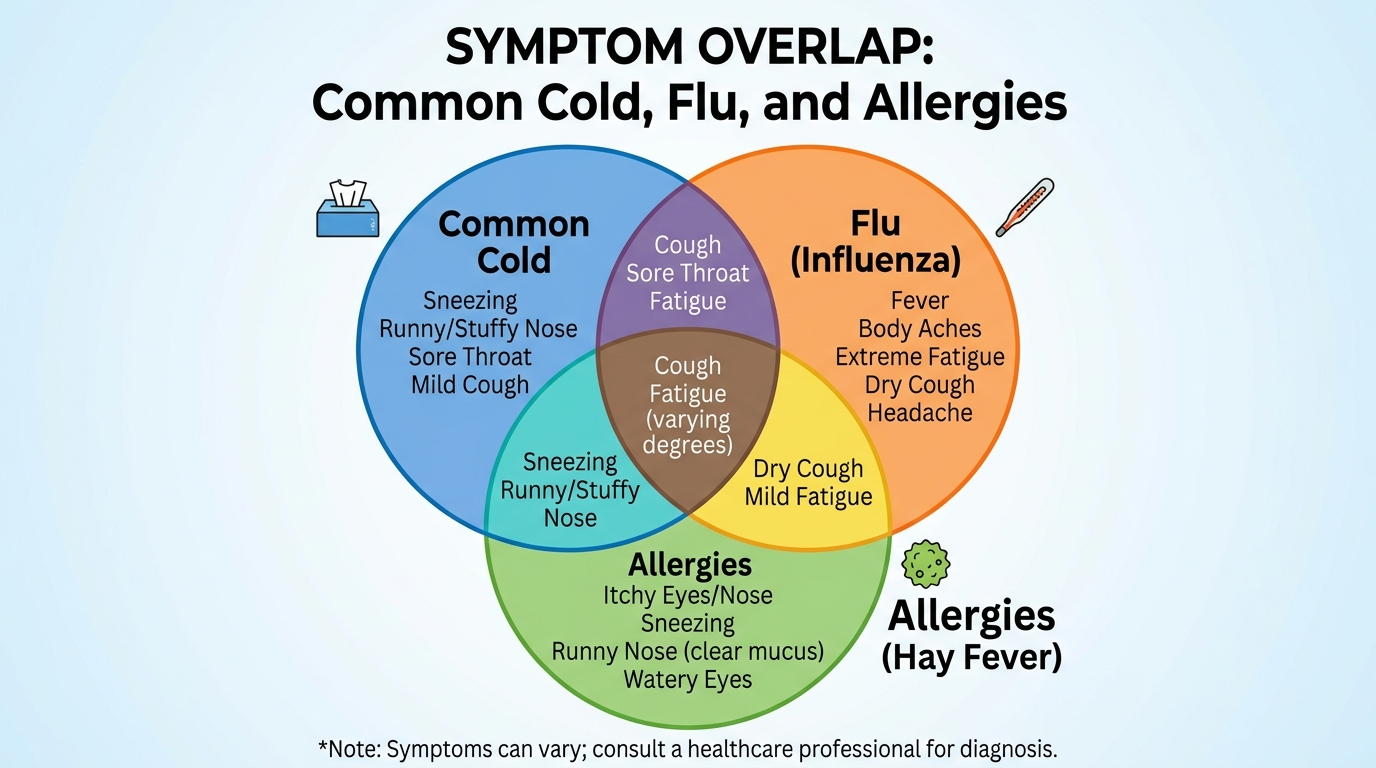
Caption: The diagnostic overlap between autoimmune encephalitis, CIDP, and functional disorders requires precise biomarker testing.
While these conditions cause clear structural damage, other debilitating diseases present with overlapping symptoms but no visible tissue damage on standard scans.
Chronic Fatigue and Fibromyalgia
Myalgic encephalomyelitis/chronic fatigue syndrome (ME/CFS) and fibromyalgia are heavily driven by central nervous system sensitization and autonomic dysfunction, moving them beyond simple fatigue or muscle pain classifications (CDC, 2023). Patients with these conditions frequently experience profound neurological exhaustion that standard blood panels fail to detect, complicating the diagnostic process. This lack of visibility on standard tests often leads to dismissal by medical professionals who are unfamiliar with neuro-immune mechanisms.
Roots of Invisible Illness
Patients frequently ask, is fibro neurological? The answer lies in central sensitization. In fibromyalgia, the brain amplifies normal sensory signals, acting like a volume dial that is permanently stuck on high. Gentle pressure registers as severe pain because the central nervous system processes the input incorrectly. It is a genuine neurological malfunction, not a psychological complaint.
Similarly, chronic fatigue syndrome and symptoms involve severe autonomic nervous system dysfunction. The autonomic nervous system controls automatic bodily functions like heart rate, blood pressure, and digestion. In ME/CFS, this system misfires. For example, simply standing up can cause a massive spike in heart rate and plummeting blood pressure—a condition known as Postural Orthostatic Tachycardia Syndrome (POTS), which frequently overlaps with ME/CFS. Because these mechanisms do not show up on standard x-rays or MRIs, getting a formal diagnosis requires a highly specific clinical approach.
The Diagnostic Journey for ME/CFS
Securing a chronic fatigue syndrome diagnosis requires careful evaluation by a specialist familiar with the condition’s distinct clinical criteria. Since there is no single blood test for ME/CFS, the diagnosis is clinical, meaning it is based on a specific pattern of symptoms and the systematic ruling out of other diseases.
According to the Centers for Disease Control and Prevention, evaluating profound fatigue and cognitive impairment requires documenting core symptoms for at least six months (2023). These include post-exertional malaise (PEM)—where minor physical or mental effort triggers a severe symptom crash—unrefreshing sleep, and profound cognitive impairment commonly referred to as “brain fog.” Validating these symptoms through detailed patient histories is the foundation of effective preventive care. Once diagnosed, managing the core symptom of neurological fatigue requires specific rehabilitation protocols.
Managing Neurological Fatigue
It is crucial to differentiate normal tiredness from neurological fatigue. Normal fatigue improves with sleep and rest. Neurological fatigue is a systemic energy crisis where minor cognitive exertion—such as reading a book, holding a conversation, or processing bright lights—causes severe physical crashes that can leave a patient bedbound for days.
Managing this requires multidisciplinary intervention rather than standard exercise recommendations, which can actually harm ME/CFS patients. Treatment focuses on energy pacing techniques, managing autonomic symptoms with targeted medications, and employing cognitive therapies to help patients navigate the profound lifestyle changes required. A 2023 Cochrane Library review highlights evidence supporting multidisciplinary rehabilitation programs tailored to individual energy envelopes. While ME/CFS involves system-wide sensitization, other highly specific symptoms stem from functional misfirings or secondary environmental triggers.
Functional and Rare Disorders
When standard structural MRI scans return normal results despite severe symptoms, patients may be facing a functional neurological disorder (FND) or a secondary neurological complication triggered by hidden infections or severe vitamin deficiencies. Identifying whether the root cause is a signaling error or an external pathogen dictates the entire treatment trajectory. Attempting to treat a signaling issue with immune-suppressing drugs is ineffective and potentially dangerous, highlighting the need for absolute diagnostic precision.
FND: Hardware vs. Software
Functional Neurological Disorder (FND), a condition affecting how the brain receives and sends information, is best understood through a computer analogy. In a patient with multiple sclerosis (MS), the brain’s “hardware” is damaged; lesions are physically visible on an MRI. In a patient with FND, the hardware is completely intact, but the “software” crashes. The brain’s signaling processes malfunction, causing very real, debilitating symptoms such as paralysis, non-epileptic seizures, or severe tremors.
FND is a genuine medical condition, not something patients imagine. Functional neurological disorder treatment requires a highly specialized approach. Because the structure is intact, the goal is to retrain the brain’s signaling pathways. According to Stanford Medicine, differentiating functional software issues from structural brain damage enables targeted neuro-rehabilitation and cognitive behavioral therapy (CBT) to rewrite the faulty neural code (2023). Conversely, some invisible symptoms are driven by physical pathogens or nutritional deficits attacking the nervous system from the outside.
Secondary Triggers: Lyme & B12
Not all neuro-immune conditions originate from genetic autoimmune flaws; environmental factors frequently act as secondary triggers. Lyme disease neurological disorders occur when tick-borne infections breach the blood-brain barrier. This infiltration can trigger severe neuro-inflammation and secondary autoimmune responses, a condition often referred to as neuro-Lyme. The National Institute of Environmental Health Sciences notes the critical role of environmental toxins triggering autoimmune responses (2023).
Similarly, severe metabolic issues produce profound nerve damage. Regarding b12 deficiency neurological symptoms, vitamin B12 is essential for maintaining the myelin sheath around nerves. A prolonged deficiency strips this myelin away, causing peripheral neuropathy, severe balance issues, and cognitive decline. The NIH Office of Dietary Supplements warns about the irreversible neurological damage caused by B12 deficiency if not supplemented early (2023). Diagnosing these complex functional and secondary conditions requires moving away from fragmented single-specialist visits toward a unified blueprint of care.
The Blueprint for Preventive Clinical Care
Preventive clinical care for chronic neurological and autoimmune conditions relies on early diagnostic precision and a coordinated medical team to halt disease progression before irreversible damage occurs. Instead of reacting to symptom flare-ups, modern clinical protocols utilize a proactive framework we call The Neuro-Preventive Triad: precise diagnostics, multidisciplinary intervention, and continuous treatment mitigation. Implementing this framework shifts the patient experience from reactive crisis management to proactive health stabilization.
The Multidisciplinary Care Team
Effective neurology care cannot rely on a single doctor working in isolation. Chronic neuro-immune conditions affect multiple bodily systems, requiring a collaborative approach. The ideal care team centers around a lead neurologist coordinating closely with rheumatologists (who manage systemic immune issues) and primary care physicians (who handle day-to-day symptom management).
A critical, often overlooked component of this team is clinical neuropsychology. Clinical neuropsychology, a specialty focusing on brain-behavior relationships, tests cognitive functions like memory, processing speed, and executive function. By establishing a cognitive baseline early in the disease process, neuropsychologists can track subtle cognitive decline or improvement over time, providing objective data that standard brain scans cannot capture.
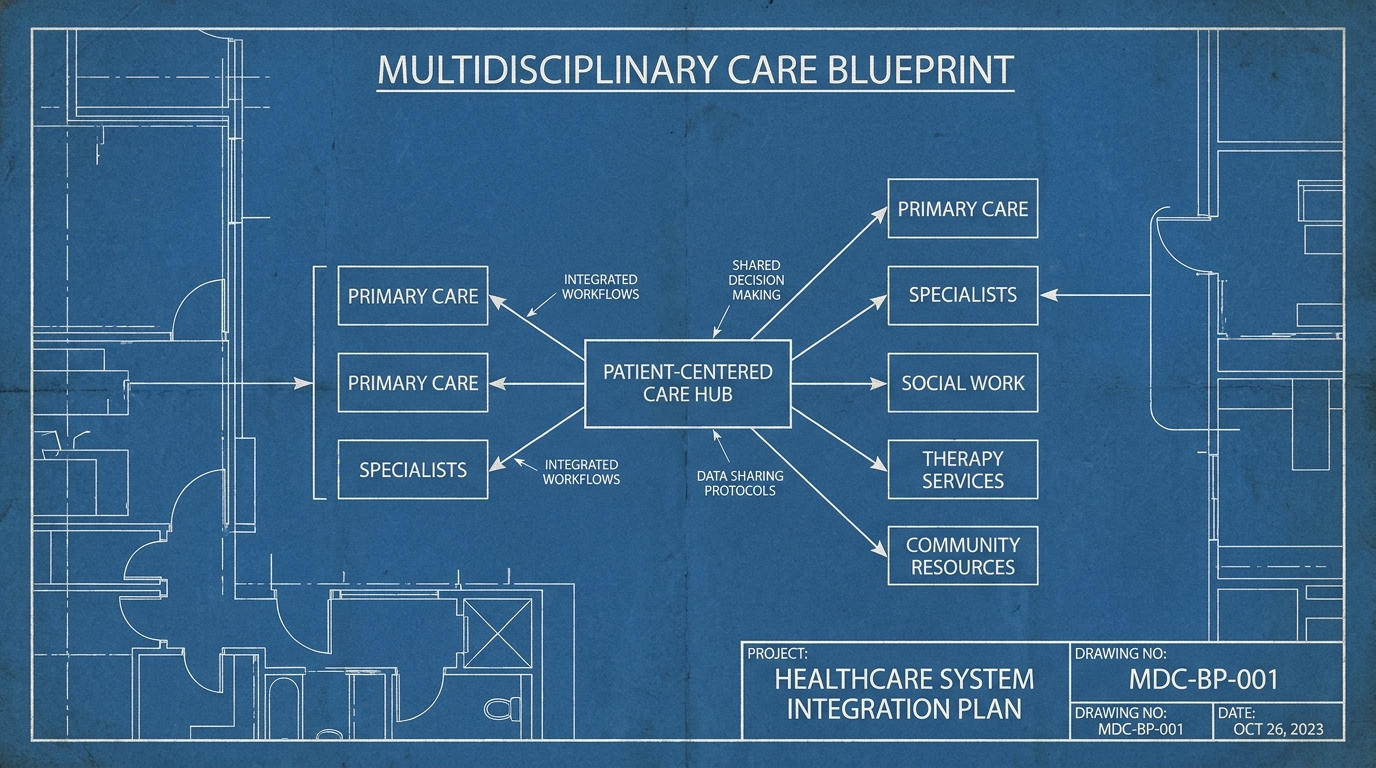
Caption: The Multidisciplinary Care Blueprint centralizes patient data across neurology, rheumatology, and primary care specialties.
To give this multidisciplinary team the data they need, patients must undergo thorough and highly specific testing protocols.
Diagnostics: CSF & Antibodies
Standard blood tests are insufficient for diagnosing complex neuro-immune diseases. The first pillar of The Neuro-Preventive Triad requires a full neurological exam. This extends far beyond checking basic reflexes with a hammer; it involves detailed assessments of cranial nerves, sensory mapping, and motor coordination to pinpoint exactly where the nervous system is failing.
Beyond the physical exam, advanced laboratory testing is required. While blood antibody panels check for systemic immune markers circulating in the body, Cerebrospinal fluid (CSF) analysis—obtained via a lumbar puncture—identifies specific inflammation and unique antibodies isolated strictly inside the central nervous system. The Perelman School of Medicine emphasizes utilizing CSF analysis and early biomarker identification to tailor immunotherapy before permanent damage sets in (2023). Arriving at your appointments with organized medical records and past MRI imaging significantly accelerates this precision testing phase. Once the exact biomarker is identified, the focus shifts to the third pillar of the triad: continuous mitigation.
Mitigation and Neuro Therapy
Proactive neurological therapy and treatment mitigation are essential for managing chronic diseases safely over decades. Strong neuro-immune medications, particularly broad-spectrum immunosuppressants and biologics, are highly effective at halting autoimmune attacks. However, they carry significant long-term risks, including secondary infections, bone density loss (osteoporosis), and organ toxicity.
Preventive care means your clinical team actively monitors for these side effects while treating the primary neurological disease. This involves scheduling routine bone density scans, comprehensive metabolic blood panels, and regular liver function tests. Furthermore, addressing lifestyle factors—such as anti-inflammatory diets, strict stress management, and avoiding known infectious triggers—directly supports medical therapies and improves functional outcomes. Maintaining this rigorous preventive schedule is the most effective way to avoid disease escalation that lands patients in emergency care.
To clarify how different conditions dictate different preventive approaches, consider the following diagnostic profiles:
| Condition Type | Primary Mechanism | Key Diagnostic Tool | Primary Preventive Focus |
|---|---|---|---|
| Autoimmune Neurological | Immune attack on nerve tissue | CSF Analysis / Antibody Panels | Immunotherapy & side-effect mitigation |
| Functional Neurological | Brain signaling “software” error | Clinical Exam (Positive signs) | Neuro-rehabilitation & CBT |
| Post-Viral / ME/CFS | Autonomic nervous system failure | Clinical Criteria (PEM tracking) | Energy pacing & autonomic medication |
Navigating Severe Neurological Events
When preventive management fails or a disease rapidly escalates, patients require neurocritical care, a specialized medical discipline focused on life-threatening neurological emergencies (UTHealth Houston, 2023). Understanding the difference between a chronic symptom flare-up and an acute emergency is vital for immediate intervention and preventing permanent brain or nerve damage. Preparation is the key to surviving severe acute episodes without catastrophic functional loss.
What is Neurocritical Care?
Neurocritical care, a specialized branch of emergency medicine targeting severe brain and spine emergencies, takes place in dedicated Neuro-Intensive Care Units (Neuro-ICUs). Here, specialized neurologists and intensivists manage life-threatening crises that standard emergency rooms are not equipped to handle long-term.
These units handle catastrophic events such as status epilepticus (continuous, unbroken seizures that can cause brain death) or sudden, massive brain swelling resulting from extreme autoimmune encephalitis inflammation. The UTHealth Houston Division of Neurocritical Care details how they deploy acute interventions for severe neuro-inflammatory events (2023). It is crucial to differentiate between managing a stable, albeit painful, chronic condition at home versus recognizing the need for acute life-support interventions. Knowing when to bypass the primary care clinic and seek this extreme level of care depends entirely on recognizing immediate warning signs.
Recognizing Acute Complications
Patients and caregivers must be trained to identify focal neurological deficits examples that warrant immediate emergency room visits. A sudden inability to speak (aphasia), profound unilateral paralysis (hemiplegia), or a sudden, unexplained loss of consciousness are absolute medical emergencies. These symptoms indicate a rapid failure of specific brain regions.
Furthermore, structural emergencies can mimic neuro-immune flare-ups. A chronic subdural hematoma—a slow brain bleed often caused by minor head trauma in vulnerable patients—causes progressive confusion and weakness that requires immediate surgical imaging, not more immune medication. Finally, patients must be monitored for delayed neurological sequelae. These are severe neurological complications, such as Guillain-Barré syndrome, that suddenly arise weeks after an initial mild viral infection or acute event. Given the severity and unpredictability of these conditions, it is crucial to understand the limitations of medical advice and the importance of professional oversight.
Safety Precautions and Clinical Limitations
This article is for educational purposes only and does not replace consultation with a qualified medical professional. Navigating neuro-immune medicine requires balancing aggressive intervention with a realistic understanding of clinical limitations. The nervous system heals incredibly slowly, and setting the right expectations prevents profound disappointment and dangerous medical decisions.
Common Pitfalls in Care Expectations
The most dangerous pitfall in neuro-immune care is the misconception of a rapid “cure.” Treatments for autoimmune and degenerative neurological conditions aim to manage symptoms, halt disease progression, and support functional outcomes. They do not magically reverse dead nerve tissue. Expecting a medication to return your body to 100% functionality overnight often leads patients to abandon effective, slow-acting therapies prematurely. True preventive care is measured in months and years of stabilization, not days.
When to Choose Alternatives
Patients frustrated by the slow pace of traditional neurology often seek out alternative regenerative therapies. However, you should strictly avoid unregulated stem cell clinics promising miraculous nerve regrowth. These treatments carry massive risks of severe infection and tumor growth. Instead, choose verifiable clinical pathways. If you want to pursue regenerative approaches, only do so under strict clinical trial settings at major research hospitals that have regulatory approval and conduct comprehensive patient suitability assessments.
When to Seek Expert Help
Any sudden, drastic change in your neurological status—such as new loss of motor control, sudden blindness, or inability to swallow—requires immediate professional reassessment at an emergency department. Furthermore, long-term care requires expert monitoring for medication side effects. If you develop persistent fevers while on immunosuppressants, seek expert help immediately. Always bring organized, comprehensive medical records and previous MRI discs to all specialist consultations; this simple administrative step prevents redundant testing and accelerates critical medical decisions.
Frequently Asked Questions
How do you prevent autoimmune neurological diseases?
While genetic predispositions cannot be changed, you can mitigate autoimmune neurological flare-ups through proactive clinical management involving strict adherence to prescribed immunotherapies and anti-inflammatory lifestyles. Early biomarker detection and intervention dramatically reduce the severity of subsequent attacks. Always consult a specialist to build a personalized preventive protocol.
What should people with autoimmune neurological diseases avoid?
Patients with autoimmune conditions should avoid systemic infections and extreme physiological stress, as these can trigger severe neurological flare-ups. Clinicians also recommend avoiding unverified supplements that claim to “boost” the immune system. These can counterproductively stimulate autoimmune attacks. Instead, preventive care focuses on maintaining a highly regulated immune state through proven methods. Always review new diets or supplements with your rheumatologist or neurologist.
What is the most common neurological autoimmune disease?
Multiple Sclerosis (MS) is the most common neurological autoimmune disease, affecting the central nervous system. In MS, the immune system mistakenly attacks myelin, the protective sheath covering nerve fibers, disrupting communication between the brain and the body. Diagnostic pathways rely heavily on MRI imaging and cerebrospinal fluid analysis. A multidisciplinary clinical team is required for long-term functional management.
What are the hardest neuro-immune diseases to diagnose?
Conditions like Myalgic Encephalomyelitis/Chronic Fatigue Syndrome (ME/CFS) and Functional Neurological Disorder (FND) are among the hardest to diagnose. Because these disorders involve central nervous system sensitization rather than visible structural damage, standard MRI scans typically return completely normal results, confusing many primary care doctors. Diagnosis relies on strict clinical criteria, tracking core symptoms like post-exertional malaise, and extensive assessment by specialized neuro-immune professionals.
Conclusion
For patients facing chronic neuro-immune conditions, preventive clinical care offers a realistic, evidence-based path to symptom mitigation and preserved nerve function. Attempting to navigate complex systemic illness alone or relying on reactive emergency visits leads to poorer outcomes. Research from the National Institutes of Health indicates early diagnosis limits long-term neurological deficits (2023). The best approach combines precise diagnostic testing, multidisciplinary medical management, and careful, continuous monitoring of both the disease and its treatments.
Implementing The Neuro-Preventive Triad fundamentally shifts the patient experience. By demanding diagnostic precision, securing multidisciplinary intervention, and adhering to continuous mitigation, patients can end the frustrating cycle of fragmented healthcare. This framework not only validates the intense reality of invisible illnesses but provides a concrete, actionable roadmap for stabilizing unpredictable neurological health.
Your immediate next step is to take administrative control of your health journey. Compile all previous imaging discs, bloodwork panels, and detailed symptom logs into a single, organized binder. Use this comprehensive medical history to seek a formal, multidisciplinary consultation with a qualified neurologist or rheumatologist who specializes in complex neuro-immune disorders.