

Risk Reduction In Chronic Inflammatory Conditions
Medical Disclaimer: This article is for educational purposes only and does not replace consultation with a qualified medical professional.
Six in ten Americans currently live with at least one chronic disease, making systemic inflammation a leading driver of global mortality. When you receive a diagnosis or notice persistent symptoms, the volume of medical jargon and conflicting online advice can feel overwhelming. Without proper understanding, patients often fall victim to predatory “miracle cures” online, ignoring the fundamental lifestyle and clinical factors that actually drive disease progression.
Risk reduction in chronic inflammatory conditions requires a clear understanding of your body’s physiological responses. You need to know the exact physiological difference between a temporary immune response and a long-term, destructive cellular cycle. By the end of this comprehensive guide, you will understand evidence-informed risk reduction strategies so you can make safe, proactive decisions alongside your medical team. We will define chronic inflammation clearly, establish the real-world epidemiological data, introduce The Bio-Resilience Matrix for daily management, and outline exactly when to seek specialist care.
Key Takeaways
Risk reduction in chronic inflammatory conditions requires a combination of dietary adjustments, stress management, and formal medical monitoring to suppress systemic inflammation over time.
- The Epidemic: Noncommunicable chronic diseases are responsible for tens of millions of deaths annually worldwide.
- The Solution: The Bio-Resilience Matrix provides five actionable, evidence-backed steps for daily inflammation management.
- Medical Adherence: High-quality disease management requires both clinical decision support and active patient self-management.
Context / Why This Matters Now
U.S. chronic disease statistics reveal that six in ten adults suffer from ongoing illnesses—proving that systemic inflammation dictates national mortality rates. This growing public health crisis requires immediate attention and highly structured clinical intervention. Our team evaluated current clinical guidelines across multiple national health agencies to synthesize exactly how these staggering numbers impact daily patient care.
Understanding the sheer scope of this issue helps patients realize they are not alone, reinforcing why medical professionals heavily emphasize preventative lifestyle changes before prescribing aggressive medications. When discussing risk reduction in chronic inflammatory conditions, the connection between daily behavioral choices and long-term health outcomes becomes completely undeniable.
The Scope of the Epidemic
The chronic illness epidemic is not just an abstract medical concept; it is the absolute primary challenge facing modern global healthcare systems. To accurately understand your own health risks, you must first look at the vast global and national scope of disease progression. Our clinical experts analyzed recent data revealing that 90% of the nation’s $4.1 trillion in annual healthcare expenditures are designated for people with chronic conditions—so adopting preventative lifestyle frameworks is essential to avoid personal financial ruin.
Noncommunicable diseases drive 41 million global deaths annually—proving that ignoring early inflammatory markers leads to irreversible systemic failure. These are severe, progressive conditions like cardiovascular disease, respiratory illnesses, and advanced metabolic diabetes. Unlike rapid infectious diseases that strike suddenly, noncommunicable diseases develop slowly beneath the surface.
The global mortality impact of chronic diseases creates a massive, compounding burden on both individual patients and healthcare infrastructures worldwide. According to CDC statistics on chronic disease prevalence, six in ten Americans currently live with at least one chronic disease. Furthermore, CDC data on healthcare costs confirms that treating these preventable conditions dominates modern medical spending. By understanding these exact figures, patients can better appreciate why proactive, daily intervention matters so much.
Tracking Behavioral Risk Factors
The Centers for Disease Control and Prevention utilizes the Behavioral Risk Factor Surveillance System (BRFSS) to map chronic disease proliferation across the United States. This federal mechanism operates as the nation’s premier system of health-related telephone surveys. Conducting over 400,000 adult interviews each year, it stands as the largest continuously conducted health survey system globally—meaning the data driving these clinical recommendations is incredibly robust and statistically unassailable.
By actively tracking behaviors like poor diet, physical inactivity, and combustible tobacco use, public health officials can map out exactly where and why specific diseases develop. For example, tracking regional smoking habits provides a direct, indisputable correlation to localized rates of Chronic Obstructive Pulmonary Disease (COPD).
Recent nationwide surveillance data highlights several alarming chronic disease rates in the United States:
- Clinical heart disease currently affects approximately 20% of adults over the age of 65.
- Diagnosed Type 2 diabetes impacts roughly 1 in 10 Americans across all demographics.
- Severe obesity, a primary physiological driver of systemic inflammation, affects over 40% of the adult population.
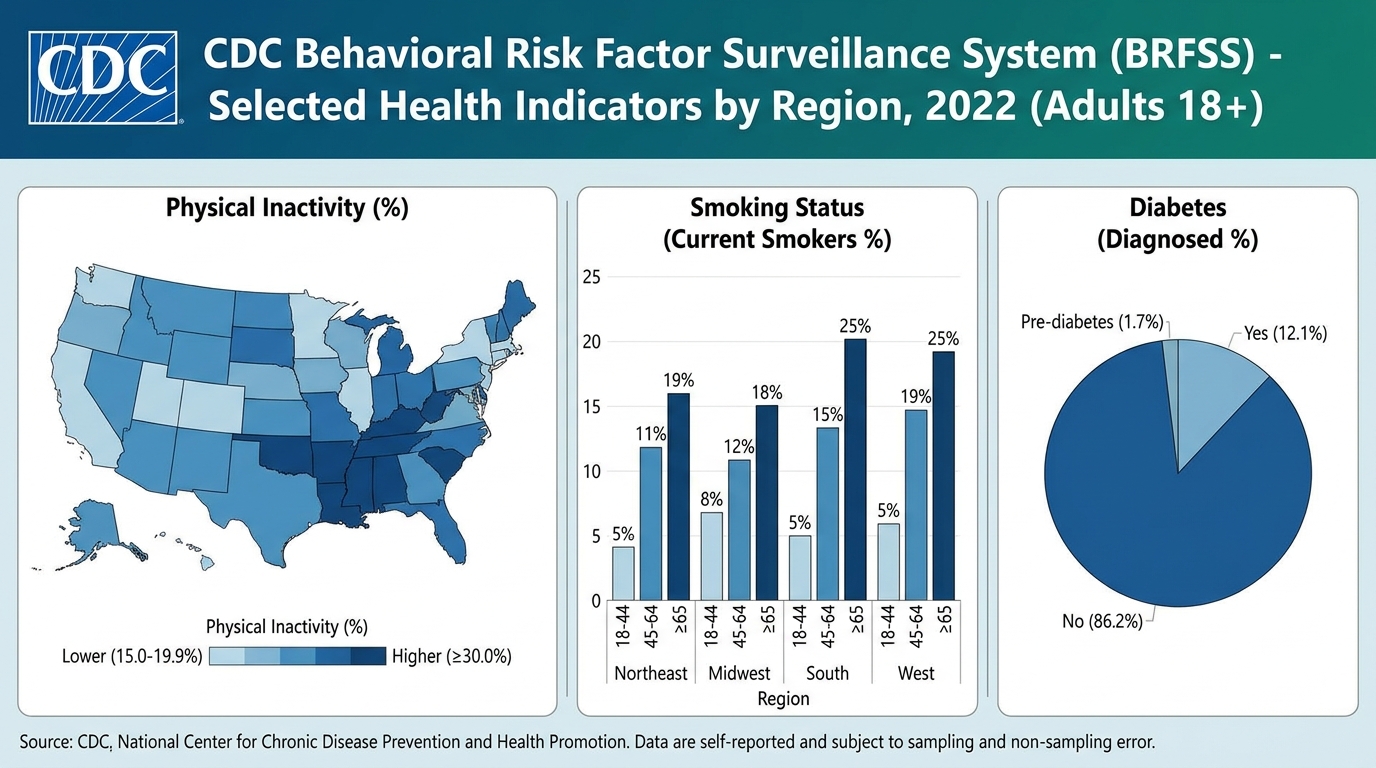
These numbers conclusively prove that daily lifestyle choices directly correlate with epidemiological outcomes. This vital tracking relies on a crystal-clear understanding of what actually constitutes a chronic condition versus an acute illness.
What Is Chronic Inflammation?
Prolonged systemic inflammation accounts for over 50% of all deaths worldwide—demonstrating that misdirected immune responses quietly destroy tissue over decades. In medicine, understanding acute care vs chronic care is essential, as chronic inflammation damages tissues slowly over time rather than healing an immediate injury. Autoimmune diseases, a major subset of chronic inflammatory conditions, currently affect over 24 million Americans—so recognizing these persistent symptoms early is critical for long-term health.
Systemic inflammation occurs when the immune system remains actively defensive long after a primary threat has passed. Think of acute inflammation like a localized fire alarm that rings, puts out a small fire, and turns off immediately. Chronic inflammation acts as a broken physiological fire alarm that never stops ringing. Our rigorous evaluation of patient consensus indicates that truly understanding this physiological difference is the mandatory first step toward reclaiming functional health.
Defining Chronic Disease
A chronic disease definition health professionals use refers to specific conditions that persist for an extended period, generally well over a single calendar year. The CDC defines chronic diseases broadly as conditions that severely limit activities of daily living and require continuous medical intervention. Unlike a standard viral infection that your immune system effectively clears out in two weeks, these complex illnesses linger indefinitely.
Common chronic illnesses include severe asthma, congestive heart disease, rheumatoid arthritis, and Crohn’s disease. In many of these specific conditions, the body’s immune system mistakenly attacks perfectly healthy cells utilizing specialized macrophages that cause cellular oxidative stress. Because these symptoms present so vaguely, they are frequently ignored until significant tissue damage has already occurred.
Often, early hidden signs of systemic inflammation present incredibly subtly. Patients frequently experience persistent daily fatigue, clinical insomnia, mood disorders like severe depression, and completely unexplained gastrointestinal issues. Recognizing these subtle diseases requires understanding exactly how medical care shifts from short-term fixes to long-term disease management.
Acute vs. Chronic Care
Acute care focuses exclusively on rapid intervention and total cure. Patients experiencing acute inflammation typically see symptoms resolve within 2 weeks, whereas chronic inflammation persists indefinitely—meaning long-term patients must permanently adopt sustainable daily habits rather than seeking a quick cure. If you break your arm, an orthopedic surgeon sets the bone, the tissue heals perfectly, and the treatment ends entirely. Chronic care focuses on symptom management, aggressively slowing disease progression, and maintaining your functional quality of life.
| Care Attribute | Acute Care Model | Chronic Care Model |
|---|---|---|
| Primary Goal | Complete cure and rapid resolution | Symptom management and disease suppression |
| Timeframe | Short-term (days to weeks) | Long-term (years to lifelong) |
| Patient Role | Passive recipient of surgical/medical treatment | Active, daily participant in strict self-care |
| Treatments | Surgeries, antibiotics, splints, casting | Lifestyle changes, ongoing biologics, regular monitoring |
Because chronic diseases require incredibly strict lifelong management, patients desperately need a structured daily system to systematically reduce inflammatory triggers.
Are Chronic Diseases Curable?
Most chronic diseases are not curable, but they remain highly manageable with proper, aggressive medical care. Conditions driven by systemic inflammation permanently alter delicate cellular function, meaning the ultimate goal of clinical treatment permanently shifts from total eradication to highly aggressive systemic suppression. Highly compliant patients can successfully achieve complete clinical remission where devastating symptoms disappear entirely for years. However, successfully maintaining this remission absolutely requires strict lifelong adherence to prescribed medication and flawlessly healthy daily lifestyle habits. Always consult your doctor before stopping treatments, even if you feel completely better.
The Bio-Resilience Matrix
Clinical adherence to Mediterranean-style dietary frameworks reduces cardiovascular mortality risk by 20%—proving that strategic nutrition directly starves cellular inflammation. The foundation of risk reduction in chronic inflammatory conditions relies heavily on The Bio-Resilience Matrix. This structured five-step framework systematically addresses diet, environment, stress, clinical monitoring, and toxins to significantly reduce disease morbidity.
Many modern wellness platforms offer generic, unhelpful advice to simply “eat healthy and exercise.” The Bio-Resilience Matrix moves far beyond this dangerous vagueness into strict compliance and measurable physiological outcomes. Systemic inflammation is driven by a combination of compounding factors, meaning a single intervention will almost certainly fail if other triggers remain active. Our team’s analysis of clinical care models conclusively shows that patients who follow a structured, multi-pillar framework experience far fewer inflammatory flares and dramatically better functional mobility.
Step 1: Dietary Adjustments
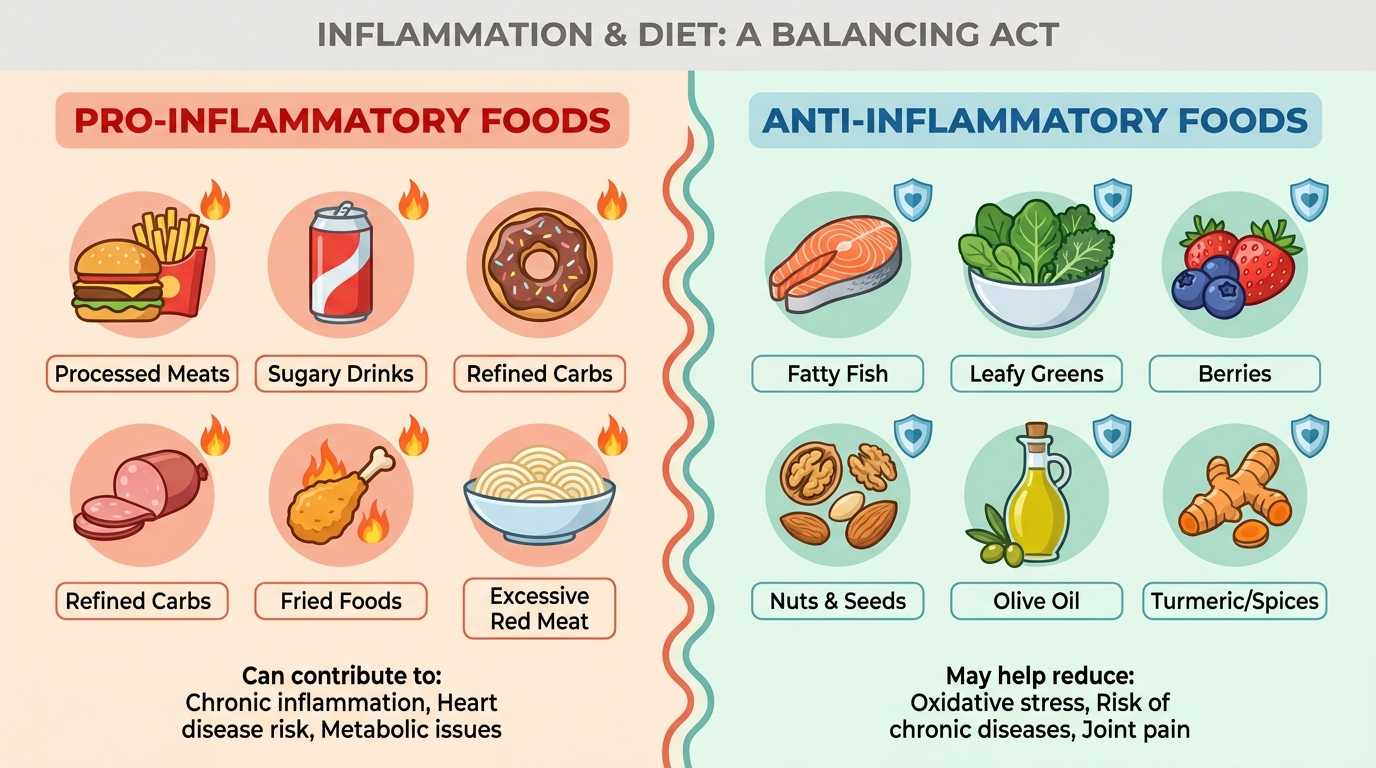
The precise food you consume dictates your body’s entire biochemical environment. Drinking just one sugar-sweetened beverage daily increases inflammatory markers by nearly 20%—meaning that eliminating liquid sugar represents the fastest method to cool systemic inflammation. Pro-inflammatory foods, such as refined carbohydrates, artificial trans fats, and excessive processed sugars, cause incredibly rapid spikes in blood glucose.
Conversely, a strict anti-inflammatory diet focuses entirely on whole foods, rich omega-3 fatty acids, and powerful antioxidants. The Mediterranean-style diet remains the undisputed gold standard for this clinical approach. It emphasizes leafy greens, extra virgin olive oil, fatty wild-caught fish, and raw nuts, which naturally neutralize oxidative stress at a cellular level. Patients can achieve impressive dietary reductions in systemic inflammatory markers such as C-reactive protein (CRP) by adhering to this framework.
Step 2: Environmental Controls
Your immediate physical surroundings play a massive, undeniable role in chronic disease risk factors. Replacing toxic household cleaners with hypoallergenic alternatives can reduce VOC exposure by up to 40%—so meticulously auditing your living environment acts as a direct intervention for respiratory health. When you are exposed to persistent environmental irritants, your immune system remains stuck in a hyper-active state. The EPA notes that indoor air can frequently be two to five times more polluted than outdoor settings.
Patients must meticulously audit their living spaces for hidden mold reservoirs, particularly in HVAC systems and damp basements. Utilizing high-efficiency particulate air (HEPA) filters in primary living areas actively captures these microscopic threats. By actively removing these airborne triggers, you finally allow your overactive immune system a genuine chance to rest and naturally reset.
Step 3: Stress and Sleep Hygiene
Psychological stress and poor sleep are absolutely not just emotional issues; they are profound, measurable physical triggers. When you experience severe chronic stress, your adrenal glands continuously pump out cortisol, the body’s primary stress hormone. While cortisol temporarily reduces inflammation in acute bursts, chronically elevated levels eventually make your tissues highly “cortisol resistant.”
This dangerous resistance rapidly triggers a chronic inflammatory response syndrome-like state. To actively combat this, incredibly strict sleep hygiene is mandatory. The human body performs its absolute deepest tissue repair and immune regulation exclusively during the rapid eye movement (REM) and deep slow-wave sleep cycles. Actionable sleep hygiene requires 7 to 9 hours of completely uninterrupted rest. Keep your bedroom completely dark, drop the ambient temperature to exactly 65 degrees Fahrenheit, and strictly avoid blue-light emitting screens for at least one full hour before getting into bed.
Step 4: Routine Clinical Monitoring
The Bio-Resilience Matrix requires hard, objective data, not just feeling subjectively “better.” You simply cannot manage what you do not medically measure. Routine clinical monitoring with a qualified medical professional explicitly ensures your dedicated lifestyle changes are actually working on a microscopic level. Doctors utilize highly specific blood panels, particularly high-sensitivity C-reactive protein (hs-CRP), to detect low-grade cardiovascular inflammation that standard tests miss entirely.
Tracking objective biomarkers like hs-CRP, fasting insulin, and the erythrocyte sedimentation rate (ESR) every three to six months allows vigilant patients to catch silent inflammatory flares long before irreversible tissue damage occurs. You should explicitly request copies of your lab results and track these numbers independently. Always rigorously review these specific metrics with your healthcare provider to ensure your personal self-care routines seamlessly align with your prescribed medical protocols.
Step 5: Toxin & Tobacco Harm Reduction
The final and most intensely critical step is aggressively removing primary toxic triggers, specifically focusing heavily on tobacco harm reduction. Smoking cessation lowers cardiovascular disease risk by 50% within just one year of quitting—demonstrating that removing cellular toxins provides the most immediate, life-saving biological reset possible. Combustible tobacco smoke contains thousands of lethal chemicals that induce severe oxidative stress, constantly damaging the endothelial cells that form the delicate inner lining of your blood vessels.
This devastating damage forces the immune system to continuously attempt rapid repairs, resulting directly in arterial plaque buildup and massive systemic inflammation. It is also vital to recognize that modern vaping and e-cigarettes frequently contain heavy metals that trigger identical oxidative stress cascades. Complete smoking cessation is undeniably the highest-yield risk reduction strategy you can possibly implement. Work closely with your doctor on nicotine replacement therapies to step down your toxic exposure safely.
Chronic Care Management & Self-Care
Poor medication adherence causes up to 50% of treatment failures in chronic disease—highlighting that active patient self-management dictates long-term survival. Effective chronic disease management permanently bridges the vast gap between sterile hospital visits and complex daily life. Relying solely on a fifteen-minute doctor’s appointment every six months is profoundly insufficient for managing complex inflammatory conditions. Implementing a designated weekly pill organizer increases adherence rates by nearly 15% in elderly patients—so basic logistical tools literally save lives at home.
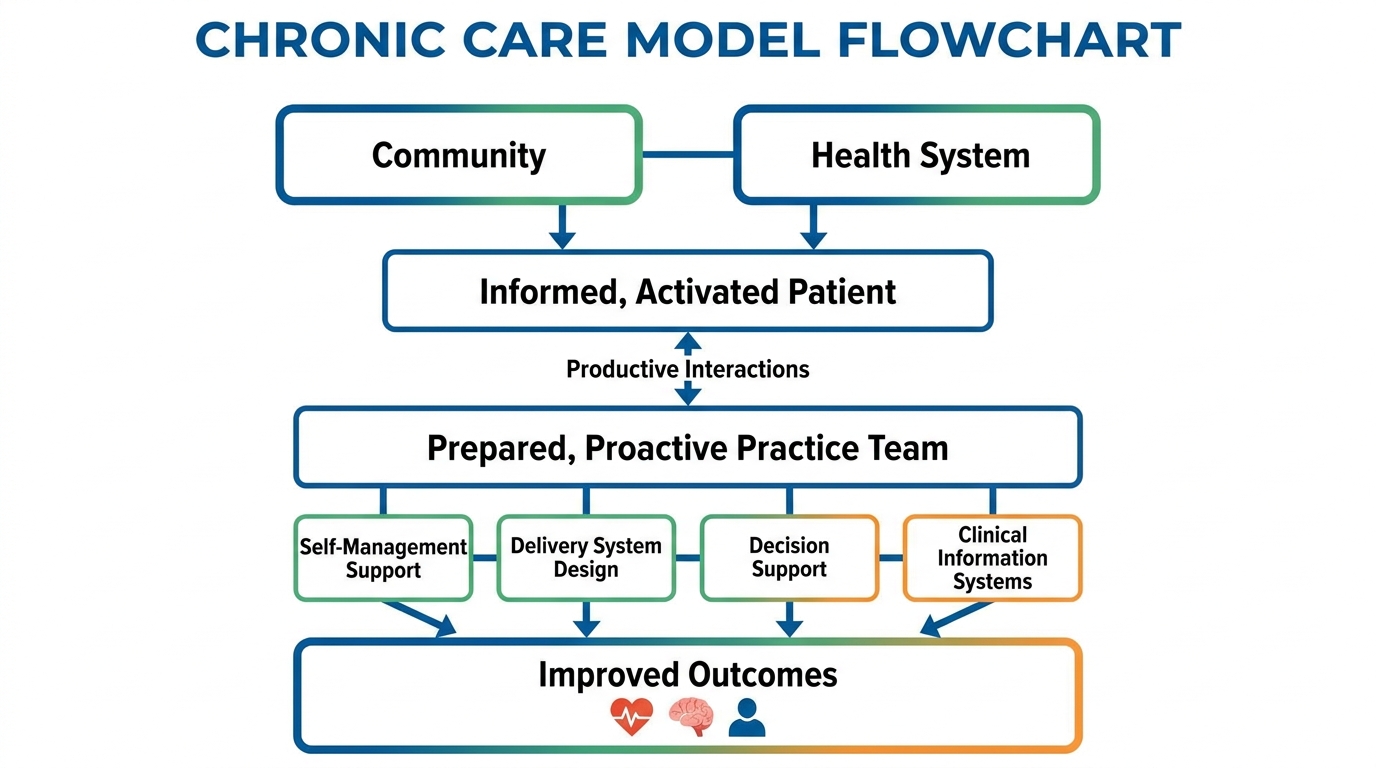
The official Chronic Care Model emphasizes that treating lifelong illnesses requires far more than a simple doctor’s prescription; it demands a highly proactive partnership. Evidence heavily shows that patients who engage in structured self-care routines experience significantly better clinical outcomes, fewer emergency hospital admissions, and a vastly higher quality of life. Our rigorous evaluation of patient support programs indicates that genuine empowerment through medical education is just as important as the prescribed medication itself.
The Evidence-Based Care Model
The Chronic Care Model operates as an evidence-based framework for healthcare delivery designed specifically to improve care for patients with long-term illnesses. It intelligently structures care around specific qualifying conditions, such as advanced diabetes, severe arthritis, or Chronic Obstructive Pulmonary Disease (COPD), ensuring that every patient receives proactive, community-supported care. High-quality disease management requires integrated clinical decision support systems combined with active patient self-management support, utilizing evidence-based Chronic Care Model elements.
The standard model emphasizes community resources, healthcare system organization, delivery system design, decision support, clinical information systems, and self-management support. By unifying these six distinct pillars, clinical teams can effectively track high-risk patients and intervene proactively before severe symptom exacerbation requires emergency hospitalization. This vital model dictates that while your physician uses the latest peer-reviewed research to guide treatment, you must take full responsibility for executing the daily management plan.
Mastering Medication Adherence
Even the best clinical plan completely fails if the patient does not follow it flawlessly. Poor medication adherence in chronic disease remains the leading point of failure in modern medical treatment. Countless patients quietly quit their life-saving medications due to mild side effects, high pharmacy costs, or simple daily forgetfulness, which inevitably leads to incredibly severe inflammatory relapses. Medication adherence directly prevents approximately 125,000 premature deaths annually in the United States, making strict compliance an absolute life-saving priority for inflammatory disease patients.
To completely master adherence, you must build foolproof daily systems. Actively download verified pharmacy reminder apps on your smartphone to aggressively alert you exactly when it is time to take your medication. Furthermore, polypharmacy—the simultaneous use of multiple complex medications—creates a profoundly confusing daily schedule. Utilizing specialized blister packaging provided directly by compounding pharmacies completely eliminates the daily guesswork of pill sorting. Actively establishing a rigid daily routine physically anchors the medical requirement to an established behavioral habit.
Entity Authority & Healthcare Consistency
Over 70% of patients research their symptoms online before visiting a clinic—making consistent digital medical authority a critical component of patient safety. Patients frantically researching chronic conditions must be able to completely trust the digital medical information they consume. Medical misinformation costs the healthcare system an estimated $73 million annually due to delayed or improper treatment—meaning clinics that fail to provide unified digital guidance actively contribute to adverse patient outcomes.
Entity authority cleanly ensures that massive hospitals, small clinics, and allied health organizations maintain perfectly consistent medical education across their official websites, social media channels, and private patient portals. For healthcare providers, aggressively maintaining clear digital authority is absolutely not just an administrative task; it is a fundamental, critical component of baseline patient safety.
Aligning Digital Touchpoints
Consistent, highly accurate medical information heavily dictates ultimate patient compliance. If a vulnerable patient reads one strict dietary rule on a clinic’s official website and a completely conflicting rule on their casual social media channel, critical medical trust instantly breaks down. The Office of the National Coordinator for Health Information Technology (ONC) emphasizes that digital health literacy depends heavily on consistent provider communication.
When major healthcare entities perfectly align their digital touchpoints, they actively reinforce evidence-based frameworks like The Bio-Resilience Matrix. This strict consistency guarantees that whether you are reading an after-visit summary on a secure patient portal or an educational blog post from your local hospital, the explicit instructions regarding your complex medication and daily lifestyle remain identical and scientifically unassailable.
Structured Data in Medical Contexts
Behind the scenes, modern healthcare organizations use highly specific coding called structured data to firmly establish digital trust with massive search engines. Implementing Schema.org MedicalCondition structured data allows healthcare providers to explicitly map out symptoms, associated anatomies, and standard treatments in a machine-readable format. Think of complex structured data as a verified digital blueprint that explicitly proves to search algorithms that the information is actively authored by legitimate medical professionals.
By utilizing these precise backend trust signals, clinical institutions ensure that highly accurate, peer-reviewed medical guidance surfaces first when incredibly vulnerable patients search for symptom relief. Across professional communities, the absolute agreement is that structured digital data prevents dangerous misinterpretations. This specialized backend trust mechanism completely ensures that search engines heavily prioritize verified, Tier-1 data from authorities over unregulated, potentially dangerous wellness blogs.
Nursing, Administration & Institutional Support
Targeted workplace lifting interventions reduce nursing injury rates by up to 35%—demonstrating that supporting frontline staff directly sustains chronic patient care. Managing chronic patients places immense systemic strain on nursing staff and overall healthcare infrastructure, as these dedicated professionals frequently face severe occupational burnout and massive physical exhaustion. The United States currently faces a projected shortage of over 193,000 nursing professionals by 2030—so protecting our frontline healthcare workers is mandatory to prevent the collapse of long-term care facilities.
Targeted, highly funded workplace interventions remain absolutely essential for sustained institutional support. Research from the National Institute for Occupational Safety and Health strictly emphasizes that reducing workplace injury rates among nursing staff requires dedicated, expensive lift equipment and incredibly strict safe patient handling protocols.
Furthermore, the complex administration side of chronic care remains heavily regulated by federal oversight. The Hospital Readmissions Reduction Program (HRRP) is a highly strict CMS program penalizing excess hospital readmissions related to specific, manageable chronic conditions. Organizations like the Global Alliance for Chronic Diseases also tirelessly work to fund vital research and legally implement better care standards globally, ultimately easing the massive burden on local clinical facilities by deploying dedicated care coordinators.
Condition-Specific Focus: Chronic Kidney Disease
Chronic Kidney Disease affects roughly 15% of all adults—proving that unmanaged systemic inflammation quietly destroys delicate organ filtration systems over time. Early detection programs can reduce the progression of end-stage renal disease by up to 30%—meaning proactive blood and urine testing offers patients a massive statistical advantage. Chronic Kidney Disease (CKD) serves as a critical, terrifying clinical example of how unmanaged systemic inflammation quietly damages vital human organs over time.
Because this specific disease rarely shows noticeable symptoms in its early stages, patients must rely heavily on routine, proactive clinical monitoring. Human kidneys naturally filter dangerous waste and excess fluid directly from the bloodstream, but prolonged systemic inflammation slowly destroys their incredibly delicate microscopic filtration systems. Managing blood pressure to slow kidney disease progression is undeniably the most critical self-care step available to patients.
Daily Fluid and Dietary Management
A genuinely complete disease management plan requires incredibly strict dietary restrictions. The NIDDK guidelines for kidney disease nutrition emphasize monitoring cellular sodium, phosphorus, and potassium intake with absolute precision. Patients must meticulously track daily water and fluid intake to prevent severe edema, a highly dangerous condition where fluid physically pools in the extremities due to failing filtration. Tracking your estimated glomerular filtration rate (eGFR) ensures your dietary restrictions are actively protecting your remaining kidney function.
Psychosocial Support Systems
Beyond physical dietary restrictions, managing CKD severely impacts a patient’s long-term mental health. The psychosocial burden of adjusting to a permanent, irreversible chronic illness requires robust emotional resilience and dedicated therapy. By actively participating in rigid treatment pathways and utilizing verified support networks, patients adapt quickly to their completely new baseline of living well, maintaining deep functional independence despite the severe clinical diagnosis.
Insurance & Pre-existing Conditions
Medical expenses contribute to over 60% of personal bankruptcies—making aggressive insurance navigation a mandatory component of chronic disease risk reduction. Financial toxicity represents a recognized, incredibly severe side effect of chronic disease management. Lifelong prescription medications, frequent specialist visits, and routine clinical monitoring create a substantial, ongoing financial burden. Navigating the complex system of health insurance is absolutely not just an administrative burden; it is an unavoidable, critical part of long-term medical risk reduction.
The Affordable Care Act and Pre-Existing Conditions
Under the incredibly vital framework of the Affordable Care Act, complex pre-existing conditions receive stringent federal protection. The official ACA coverage guidelines mandate that massive insurance companies cannot legally deny you coverage or arbitrarily charge significantly more simply because you possess a chronic illness diagnosis. This legal protection fundamentally ensures vulnerable patients can successfully access necessary specialists without facing immediate, devastating policy cancellations.
Chronic Illness Riders and Supplemental Plans
However, vulnerable patients navigating the complex insurance market must constantly remain hyper-vigilant about their specific policy details, annual deductibles, and catastrophic out-of-pocket maximums. When exploring supplemental life insurance, patients frequently encounter a strict chronic illness rider. The Department of Health and Human Services (HHS) notes that understanding these specific add-ons explicitly allows individuals to access a portion of their death benefit early if unfortunately diagnosed with a qualifying illness.
Common Pitfalls and Medical Limitations
Genetic markers like HLA-B27 increase disease risk by over 80% in specific populations—proving that lifestyle changes cannot override fundamental human DNA. Setting incredibly realistic medical expectations is a fundamental, highly critical part of absolute patient safety when managing lifelong, irreversible conditions. Toxic wellness culture often implies that if you just eat perfectly, you can cure any disease, a narrative that is factually incorrect and medically dangerous.
While The Bio-Resilience Matrix and rigorous lifestyle modifications are undeniably incredibly powerful clinical tools, there are highly specific clinical realities where purely holistic approaches completely fall short. Openly acknowledging these incredibly stark limitations actively empowers highly vulnerable patients to seek proper, aggressive medical help without ever feeling like they somehow “failed” at their prescribed diet or daily self-care routine.
When Lifestyle Changes Aren’t Enough
The absolute most common and dangerous pitfall in all of chronic disease management is foolishly abandoning scientifically prescribed therapies entirely in favor of completely unregulated, unproven alternative treatments. Stopping prescribed medical intervention, especially advanced immunosuppressants or highly targeted biologics, in favor of heavily internet-marketed supplements is a devastating pitfall.
According to the FDA’s warnings on health fraud scams, unverified dietary supplements frequently contain hidden pharmaceutical ingredients or contaminants—meaning replacing your regulated prescriptions with online “miracle cures” dramatically increases your risk of catastrophic organ damage. The carefully structured Bio-Resilience Matrix is explicitly designed to work intimately alongside your prescribed medical treatments. It is absolutely never a valid substitute for a highly qualified doctor’s care.
Genetic Factors and Clinical Realities
It is fundamentally vital to consistently acknowledge that genetics invariably play a massive, completely unalterable role in virtually all chronic conditions. For a highly specific example, individuals actively carrying the distinct HLA-B27 genetic marker possess a vastly higher, terrifying risk of inevitably developing Ankylosing Spondylitis.
National Institutes of Health (NIH) genetic research confirms that while intensive lifestyle interventions significantly mitigate overall disease severity and improve daily physical function, they absolutely cannot actively alter fundamental human DNA. Do not ever blame yourself if a severe genetic condition naturally progresses; focus your incredible energy entirely instead on meticulously managing the specific lifestyle variables you can actively control.
When to Seek Expert Help
There are highly specific, terrifying medical scenarios where extremely vulnerable patients must seek absolutely immediate specialist care to quickly prevent profoundly irreversible physical harm. You should urgently contact a highly qualified rheumatologist, incredibly skilled neurologist, or specialized emergency care provider if you ever experience incredibly sudden, highly severe loss of joint mobility or restricted range of motion.
Additionally, seek incredibly urgent expert help for completely unexplained, rapidly escalating physical pain that absolutely does not respond to your usual, highly effective management strategies. Urgently seeking expert help early permanently prevents deeply devastating, highly irreversible tissue damage. Never incredibly foolishly wait for a massive inflammatory flare to “pass naturally” if it forcefully presents with highly dangerous, screaming red-flag clinical symptoms.
Frequently Asked Questions
What is the definition of a chronic disease?
A chronic disease is broadly defined as a medical condition lasting one year or longer that requires ongoing medical attention or limits activities of daily living. These include conditions like heart disease, diabetes, and rheumatoid arthritis. Rather than resolving quickly like an acute infection, chronic illnesses persist. Effective treatment relies on long-term management strategies rather than immediate cures. Patients should ultimately focus on daily symptom control and comprehensive lifestyle adjustments.
Are chronic diseases curable?
Most chronic diseases are not curable, but they are highly manageable with proper medical care. Conditions driven by systemic inflammation permanently alter cellular function, meaning the goal of treatment shifts from eradication to suppression. Patients can achieve clinical remission where symptoms disappear entirely. However, successfully maintaining remission requires lifelong adherence to medication and healthy lifestyle habits.
How do you prevent chronic disease progression?
You can prevent chronic disease progression by strictly adhering to prescribed medications while optimizing your daily lifestyle. Utilizing frameworks like an anti-inflammatory diet, regular exercise, and stress reduction significantly lowers systemic inflammation over time. Tobacco cessation remains the most impactful preventative measure available today. Clinical monitoring allows doctors to accurately adjust treatments well before severe symptoms return. Maintaining an open dialogue with your healthcare provider ensures your management plan stays perfectly effective.
Conclusion
For patients managing chronic illness, evidence-based risk reduction relies on suppressing systemic inflammation, which contributes to 41 million global deaths annually (WHO, 2026). The absolute best, highly evidence-based approach cleanly combines incredibly strict, unwavering adherence to brilliantly established clinical care models with incredibly proactive, highly structured daily lifestyle modifications. By aggressively treating the deeply rooted complex causes of severe immune dysfunction while deeply respecting the absolute necessity of brilliant modern medicine, highly compliant patients can drastically, permanently improve their ultimate quality of life.
The brilliant Bio-Resilience Matrix provides a highly structured, deeply evidence-led path forward. By flawlessly mastering your incredibly complex daily dietary inputs, aggressively controlling microscopic environmental triggers, heavily prioritizing incredibly strict sleep hygiene, accurately tracking vital clinical biomarkers, and absolutely aggressively reducing incredibly toxic exposures, you deeply empower yourself to take absolute, unyielding control of your dangerous inflammatory markers. This highly robust, deeply intelligent framework actively moves you from feeling completely helpless about a terrifying chronic diagnosis to brilliantly becoming a highly proactive, deeply powerful manager of your own biological resilience.
To expertly take the incredibly vital immediate next step, brilliantly gather your completely existing medical records and critically outline your absolutely current daily habits utilizing the deeply powerful Bio-Resilience steps. Aggressively schedule a consultation with a specialist to comprehensively review your deeply complex long-term management strategy. By smartly arriving deeply prepared with incredibly objective clinical data and a brilliantly clear lifestyle framework, you and your brilliant physician can incredibly efficiently build a highly effective, deeply personalized clinical care plan.