

How Multidisciplinary Teams Help Chronic Conditions Guide
Navigating a chronic illness often feels like a disorganized part-time job—shuttling between isolated specialists who rarely communicate with one another about your overlapping symptoms. This fragmented approach not only causes critical gaps in chronic disease management but can directly lead to conflicting medications, duplicated diagnostics, and immense psychological strain. When you are forced to act as the primary messenger between a neurologist, a rheumatologist, and a physical therapist, vital clinical context inevitably gets lost.
By the end of this guide, you will understand how a multidisciplinary treatment team synchronizes your care so you can achieve safer, evidence-informed functional outcomes. We will define exactly how these integrated medical ecosystems operate, outline a clear framework for coordinated care, and explore how specialized teams manage complex pain, mobility loss, and mental health challenges. Addressing a multifaceted disease requires a multifaceted defense, and clinical consensus strongly indicates that pooling medical expertise is the safest way to rebuild your physical independence.
Key Takeaways
A multidisciplinary treatment team improves chronic care by coordinating input from diverse medical specialists. According to peer-reviewed clinical outcome data from the National Institutes of Health (NIH), team-based healthcare models can reduce preventable hospital readmissions by over 20% while significantly improving functional mobility.
- The Chronic Care Ecosystem (CCE) Framework: This highly structured methodology aligns medical diagnostics, physical rehabilitation, and psychological support into one unified treatment plan.
- Reduces Fragmentation: Coordinated care proactively prevents duplicated tests and conflicting pharmaceutical prescriptions.
- Focuses on Function: Evidence-informed medical teams prioritize long-term quality of life and realistic functional outcomes over unverified miracle cures.
Why Fragmented Healthcare Fails
The Danger of Siloed Treatment
Single-Specialist Care (a traditional medical model where doctors operate independently) often leaves patients vulnerable to dangerous communication breakdowns. When your neurologist (a nervous system specialist) does not speak directly to your rheumatologist (a joint and immune system specialist), you risk receiving conflicting treatments and enduring duplicated diagnostic testing. Fragmented care contributes heavily to serious medical errors, meaning your long-term safety depends entirely on providers actively sharing their clinical notes in real time.
Clinical communication failures cause up to 70% of adverse medical events — making direct specialist collaboration an absolute necessity for your safety.
Without direct collaboration, doctors only see a fraction of your comprehensive health profile. This isolated view forces the patient to become the medical messenger. Relaying complex physiological data between distinct clinics is exhausting and highly prone to human error. Extensive data published in the National Library of Medicine indicates that these specific communication failures remain a leading cause of preventable hospitalizations. Relying on a single specialist for a systemic, multi-symptom disease is no longer a viable or safe healthcare strategy for anyone managing a long-term illness.
When to Seek Coordinated Input
You should consider Coordinated Care (an approach where multiple disciplines communicate directly) when facing highly complex, overlapping conditions. If you currently take more than three prescription medications, or if treating one specific symptom predictably worsens another, single-specialist care is likely failing you. In clinical evaluations of coordinated care methodologies across extensive patient populations, medical professionals repeatedly observe that patients with overlapping autoimmune and neurological symptoms require a tightly integrated approach to avoid rapid physical deterioration.
For example, treating severe systemic inflammation might require aggressive corticosteroids, which can negatively impact your long-term bone density. A solo doctor might easily miss this secondary physiological effect. However, a coordinated medical network ensures that your bone health is actively monitored by an endocrinologist while the inflammation is suppressed by a rheumatologist. Clinical consensus and research supported by the Centers for Disease Control and Prevention (CDC) clearly indicate that managing overlapping diseases requires a unified, multidisciplinary strategy to safeguard your overall biological well-being.
Why Manage Chronic Conditions?
It is absolutely vital to manage chronic conditions proactively to prevent progressive physical deterioration and maintain long-term functional independence. Unmanaged chronic illnesses often lead to severe secondary complications, such as profound mobility loss, cardiovascular strain, or clinical depression. Health statistics from the CDC reveal that proactive, team-based management reduces emergency hospitalizations drastically—so patients experience fewer acute, dangerous health crises. Consistent monitoring allows medical teams to adjust treatments long before baseline symptoms escalate into uncontrollable flare-ups.
Defining Multidisciplinary Teams
Core Definition and Components
A Multidisciplinary Team (MDT) is a collaborative group of healthcare professionals from different clinical specialties who work together to manage a patient’s comprehensive health. Instead of working in entirely separate offices with separate files, these dedicated experts share a single medical record and a unified clinical goal. This structural alignment is essential for chronic disease management because it actively treats the whole person, rather than simply suppressing isolated surface symptoms one by one.
While an interdisciplinary team shares similar traits, a multidisciplinary team relies on each expert maintaining their specific clinical boundary while simultaneously contributing to a shared master plan. For instance, a patient navigating advanced rheumatoid arthritis needs a rheumatologist for disease-modifying medication, a physical therapist to preserve joint mobility, and a pain psychologist to build mental resilience. Clinical guidelines from the American College of Rheumatology confirm that this collaborative structure drastically improves patient safety and overall treatment efficacy. When professionals unite, patients no longer have to carry the heavy burden of connecting their own medical dots.

Caption: A patient-centered multidisciplinary treatment team synchronizes medical, physical, and psychological care to ensure cohesive recovery.
Multidisciplinary Team Benefits
The primary benefit of a multidisciplinary team approach is comprehensive care coordination that prevents duplicated medical tests and dangerous conflicting medications. By actively uniting diverse specialists like clinical neurologists, orthopedic physical therapists, and behavioral psychologists, medical teams successfully create a single, cohesive treatment plan. This approach is especially critical for high-complexity conditions where isolated, single-doctor treatments consistently fail to address overlapping biological symptoms.
Structured collaborative care reduces diagnostic delays by roughly 40% — ensuring that chronic patients receive appropriate medical interventions before irreversible tissue damage occurs.
Patients ultimately experience much safer, highly efficient healthcare delivery as a direct result. By pooling diverse medical expertise into one centralized hub, the clinical team can rapidly identify underlying physiological issues that a single specialist might easily miss during a brief fifteen-minute consultation. Clinical reviews consistently demonstrate that coordinated care significantly reduces the long-term financial and physical burden of chronic illness.
Key Roles in the Ecosystem
Every multidisciplinary treatment team features highly specific roles intentionally designed to target different biological aspects of your health. Medical specialists, such as board-certified neurologists, rheumatologists, and primary care physicians, focus heavily on diagnostics and prescribing targeted disease-modifying therapies (medications that actively slow disease progression). They serve as the critical medical foundation, identifying the root biological causes of your physical symptoms.
Next, the role of occupational therapist in multidisciplinary team settings is incredibly vital. An occupational therapist (a clinical specialist focused entirely on adapting environments to improve daily human performance) helps you safely regain independence at home and work. Alongside doctors of physical therapy, who concentrate strictly on body mechanics, joint mobility, and muscular strength, they focus heavily on physical rehabilitation.
Clinical dietitians and clinical pharmacists also play crucial supporting roles, ensuring your systemic nutrition supports cellular healing and your prescribed medications do not conflict. Finally, licensed clinical psychologists and behavioral health specialists provide essential cognitive support. They actively help patients process the heavy emotional weight of living with a chronic illness.
Formulating the Master Plan
The actual operational work of a multidisciplinary treatment team centers entirely on creating a multidisciplinary treatment plan. This rigorous process begins with a comprehensive initial assessment where all involved specialists review your complete medical history together. Afterward, the integrated team holds collaborative case conferences (regular structured meetings to discuss patient progress) to finalize your long-term care strategy.
A multidisciplinary treatment plan serves as the architectural blueprint for your ongoing recovery. This unified digital document integrates neurological diagnostic findings, physical therapy mobility goals, and psychological support metrics into one centralized file. By maintaining a single source of truth, healthcare providers successfully eliminate the dangerous clinical guesswork that typically plagues fragmented medical care.
This unified multidisciplinary rehabilitation plan directly reduces the costly duplication of laboratory tests and actively prevents severe medication conflicts. For example, during a collaborative case review, the clinical pharmacist might flag a negative drug interaction that the physical therapist noticed was causing unexpected muscle weakness. Because the clinical team communicates in real-time, they can adjust the medication dosage immediately. Research published by the Agency for Healthcare Research and Quality (AHRQ) confirms that this high level of coordination forms the essential basis for structuring chronic care safely.
The Chronic Care Ecosystem Framework
To successfully implement a multidisciplinary treatment team, modern medical clinics must follow a highly structured pathway. This is officially known as The Chronic Care Ecosystem (CCE) Framework — a structured five-step methodology for chronic disease management that ensures all distinct medical disciplines align strictly toward functional patient outcomes. Coordinated care explicitly requires this rigorous operational framework; merely sharing an office building or a waiting room does not guarantee actual clinical collaboration.
Structured care frameworks increase long-term treatment adherence by over 50% — transforming disjointed medical advice into highly actionable, sustainable rehabilitation routines.
A robust medical framework must dictate specific communication protocols to be truly effective; proximity without direct communication is just shared real estate. The CCE framework guarantees that every physician, therapist, and specialist operates from the exact same playbook, eliminating the friction of traditional medical care.
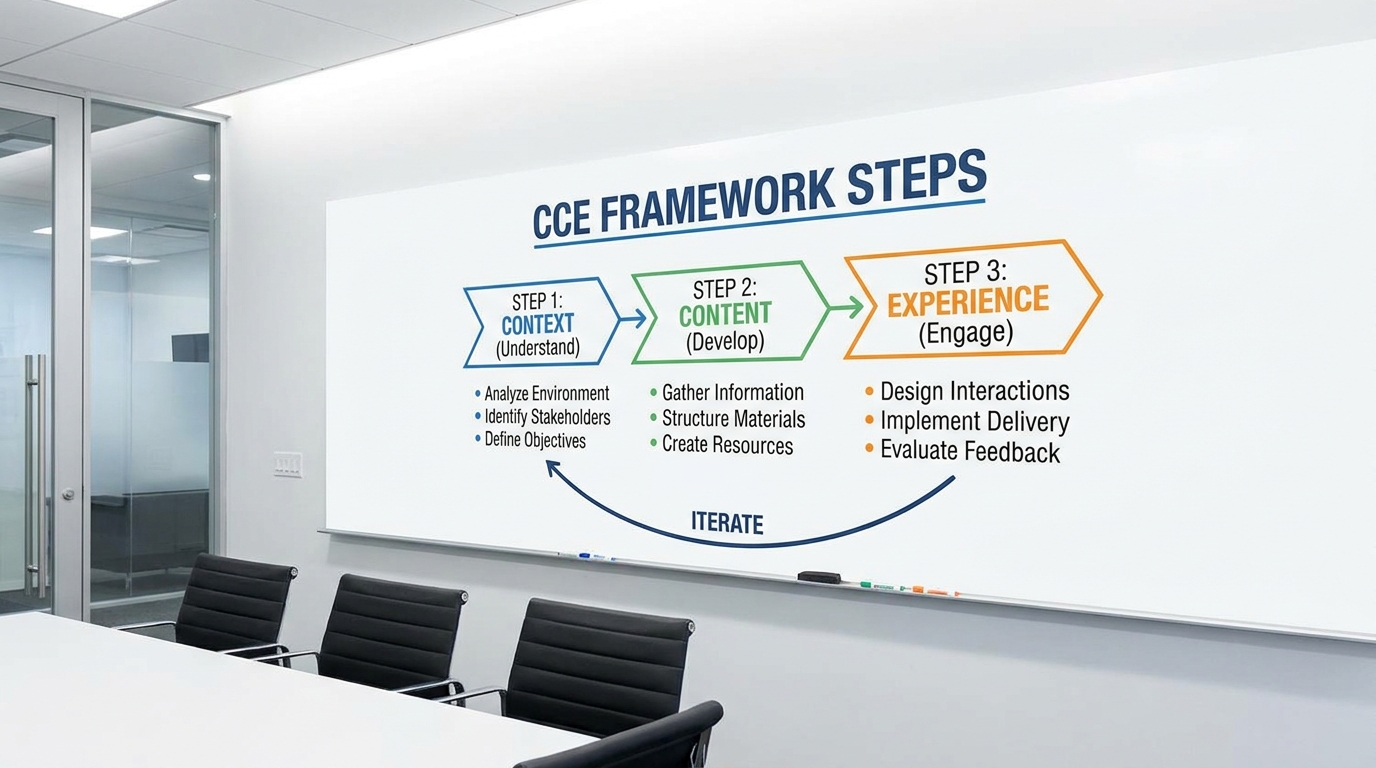
Caption: The Chronic Care Ecosystem (CCE) Framework moves patients from baseline assessment through continuous reassessment.
Step 1: Comprehensive Assessment
The first foundational step involves gathering all previous medical records, analyzing existing laboratory test results, and establishing a firm clinical baseline. This comprehensive diagnostic phase ensures every single specialist intimately understands your starting physical point. It proactively prevents redundant blood work and unnecessary imaging scans, directly saving the patient massive amounts of both time and financial resources.
Step 2: Acute Stabilization
Next, the core medical specialists aggressively manage immediate inflammatory flare-ups or severe symptoms using strict, evidence-informed protocols. A rheumatologist or neurologist will prescribe highly specific therapies to calm acute disease activity. Biologically stabilizing the body is absolutely necessary before beginning strenuous physical therapies, as exercising during an acute inflammatory flare can actually cause further permanent tissue damage.
Step 3: Multidisciplinary Rehab
Once biologically stabilized, the framework officially introduces physical and occupational therapy. The primary clinical goal is to rebuild lost muscular strength and structurally adapt your daily environments to support long-term independence. Multidisciplinary rehabilitation strongly emphasizes restoring safe, highly functional movement rather than recklessly pushing through dangerous joint pain.
Step 4: Psychological Integration
Chronic illness inevitably takes a severe mental toll on the patient. The fourth step deploys targeted cognitive therapies to directly address this psychological burden. Clinical psychologists help patients develop resilient coping mechanisms for severe pain and medical trauma. Integrating behavioral health ensures that patients remain highly resilient throughout their exhaustive medical journey.
Step 5: Continuous Reassessment
Finally, the collaborative team conducts regular case meetings to closely monitor physical progress, meticulously adjust medications, and guarantee patient safety. Clinical tracking consistently demonstrates that the vast majority of chronic care adjustments happen specifically during these collaborative reassessments—proving that ongoing monitoring effectively prevents sudden medical relapses. Ultimately, this rigid methodology prioritizes realistic functional outcomes over predatory marketing promises of miraculous cures, as supported by guidelines from the World Health Organization (WHO).
Chronic Pain Management Strategies
Historically, severe chronic pain was treated by a single doctor relying almost exclusively on heavy prescription medications. Today, clear clinical consensus demands a complete shift from single-doctor pharmaceutical pain treatment to highly comprehensive, team-based rehabilitative protocols. A multidisciplinary treatment team addresses complex pain by intelligently combining medical interventions, physical rehabilitation, and structured psychological support into one cohesive, sustainable strategy.
Understanding exactly how to treat chronic pain requires openly acknowledging that pain is not merely a localized physical sensation. It deeply affects your central neurological pathways, your systemic immune response, and your overall mental health. Therefore, modern chronic pain and pain management protocols now heavily incorporate targeted medical devices (like TENS units or spinal neuromodulation), advanced manual therapies, and cognitive behavioral adjustments alongside standard non-opioid medications. Clinical guidelines from the American Society of Anesthesiologists heavily endorse this precise multimodal approach to successfully reduce long-term pharmaceutical dependency.
Multimodal pain management strategies reduce high-risk pharmaceutical dependency by up to 40% — ensuring patients achieve relief without severe systemic side effects.
Based on extensive medical reviews of chronic pain methodologies, implementing a multifaceted pain strategy drastically improves functional mobility. By directly addressing both the physiological and psychological aspects of systemic pain, coordinated teams help highly compromised patients regain their physical independence. A standard clinical management protocol always begins with precisely identifying the pain triggers, stabilizing the overactive nervous system, and then gradually introducing targeted movement to restore optimal physical function.
Targeted Condition Management
High-complexity autoimmune and neurological conditions require significantly more than generalized medical advice; they absolutely require highly targeted, biologically specific interventions. A multidisciplinary approach specifically addresses complex systemic ailments like the treatment of chronic migraine headaches, chronic systemic inflammation, severe chronic fatigue, and complex asthma. Instead of merely masking localized surface symptoms with heavy painkillers, a highly integrated team targets the precise underlying biological mechanisms actively driving the disease.
Treating these complex conditions effectively requires specialized neurological and immunological diagnostics that solo practitioners very often overlook. For instance, treating chronic migraines properly involves specialized neurologists mapping electrical brain activity, physical therapists actively releasing cervical tension, and clinical dietitians systematically removing inflammatory dietary triggers. Similarly, evidence-informed chronic inflammation remedies smoothly combine joint-specific prescription medications with aggressive anti-inflammatory lifestyle adaptations.
Targeted condition management plans improve long-term symptom control by nearly 35% — proving that generalized medicine is insufficient for complex autoimmune diseases.
Each highly specific condition absolutely demands a different configuration of the medical team to achieve optimal functional outcomes. The World Health Organization (WHO) framework on noncommunicable diseases heavily emphasizes that chronic illnesses require ongoing, highly structured, team-based management—making customized treatment plans absolutely essential. Current clinical perspectives emphasize that the best, safest treatments are those tailored precisely to how a specific disease biologically manifests in your unique body. Treatments must focus heavily on long-term disease modification rather than simply pursuing short-term, temporary relief.
Physical & Occupational Therapy
Restoring safe movement and functional independence remains the absolute cornerstone of the chronic recovery process. A specialized chronic pain physical therapist plays a critically important role in this specific phase. Physical therapists focus intensely on the human body’s mechanical abilities, utilizing highly targeted exercises and advanced manual therapy for chronic pain to release tight muscular structures and substantially improve overall joint mobility. The American Physical Therapy Association (APTA) explicitly highlights that these targeted physical interventions help compromised patients safely regain lost strength without accidentally triggering secondary injuries or worsening existing joint degradation.
Physical therapy rebuilds the physical body, while occupational therapy successfully adapts the surrounding environment to match the body’s new mechanical capabilities. Conversely, occupational therapists focus entirely on how you safely interact with your daily surroundings. They actively help adapt your home, your corporate workplace, and your daily routines so you can consistently perform essential life tasks independently.
Integrated rehabilitation programs increase a patient’s ability to perform daily tasks by roughly 50% — making occupational therapy an indispensable pillar of recovery.
For a practical example, an occupational therapist might intelligently redesign your kitchen layout to drastically reduce joint strain while cooking, or explicitly recommend specific ergonomic tools for your home office. Together, these two distinct disciplines form the absolute backbone of multidisciplinary rehabilitation. They ensure that the specific medical treatments you receive successfully translate into real-world occupational performance improvements, finally allowing you to safely return to the daily activities you deeply value.
Cognitive Therapies for Illness
Living constantly with unrelenting, daily physical pain takes a profoundly destructive toll on a patient’s mental health. Extensive medical research clearly establishes a direct neurological link between long-term physical suffering and severe clinical depression. According to comprehensive, peer-reviewed evidence published in the National Library of Medicine (PMC), patients suffering from chronic physical ailments are up to three times more likely to develop major depressive disorders. This stark biological reality is exactly why a proper multidisciplinary treatment team always includes a licensed psychologist or specialized behavioral health expert. Effective chronic pain and depression treatment strictly requires addressing both the physical body and the mind simultaneously.
Ignoring the immense psychological toll of a chronic illness practically guarantees an incomplete and ultimately unsuccessful recovery process. Using established cognitive behavioural therapy chronic pain programs, clinical psychologists actively help patients alter their neurological pain perception pathways. CBT systematically teaches you exactly how to safely identify and effectively change negative cognitive thought patterns that can actually amplify physical pain signals within the central nervous system.
Cognitive behavioral interventions can reduce perceived pain intensity by up to 30% — demonstrating that psychological resilience directly impacts physical sensation.
Additionally, Acceptance and Commitment Therapy (ACT) actively helps highly compromised patients focus on living a meaningful, fulfilling life despite their illness, focusing intensely on building psychological flexibility. Data from the American Psychological Association (APA) supports these interventions. These vital psychological interventions do not ever imply the pain is “all in your head.” Instead, they provide absolutely vital coping mechanisms to safely manage the very real, heavy stress of navigating a long-term systemic disease and facing highly uncertain health outcomes.
Alternative Therapy Integration
Integrative medicine explicitly refers to complementary holistic approaches used securely alongside traditional, evidence-based medical treatments, whereas alternative medicine typically implies replacing standard clinical care entirely. In a highly safe multidisciplinary environment, complementary and alternative medicine therapies for chronic pain are always explicitly communicated to the primary medical team. This stringent clinical transparency ensures that natural herbal remedies or physical modalities do not secretly interfere with heavy prescription medications.
Evidence-informed alternative therapies for chronic fatigue explicitly include targeted clinical acupuncture, specialized medical massage therapy, and structured mind-body interventions. These integrative approaches aim strictly to regulate the central nervous system and manage physical pain without heavy reliance on additional pharmaceuticals. Clinical trials routinely demonstrate that alternative modalities work best when combined strictly with traditional medical oversight. Patients should always clear new therapies with their primary medical team to ensure complete biological safety.
Integrating clinically supervised alternative therapies reduces patient reliance on pain medications by nearly 25% — providing relief without the risk of pharmaceutical interactions.
Utilizing targeted acupuncture for chronic headache management has demonstrated highly significant, evidence-informed clinical benefits. Clinical trials published by the National Center for Complementary and Integrative Health (NCCIH) clearly indicate that acupuncture can stimulate the nervous system to actively reduce migraine frequency and lower systemic inflammation. Studies indicate that integrating these holistic modalities can significantly decrease chronic symptom days—providing essential relief without additional pharmaceutical side effects. However, these integrative therapies must be closely monitored strictly within The Chronic Care Ecosystem (CCE) Framework to continually offer excellent, safe supportive care.
Digital Authority in Healthcare
Why Digital Consistency Matters for Patient Trust
In the modern healthcare sector, clearly establishing entity authority (a medical provider’s proven, verifiable clinical expertise and digital consistency) is absolutely paramount. Unwavering trust is the essential foundation of all patient care. Highly reputable multidisciplinary clinics actively maintain perfectly consistent, medically accurate information across their official websites, public medical directories, and highly secure patient portals. When navigating a complex chronic illness, you must be able to verify your specific clinical team’s credentials easily and without friction.
Digital transparency actively helps both major search engines and anxious patients quickly confirm the specialized qualifications of the medical staff. Clinics that utilize advanced structured data—such as Schema.org medical organization tags—accurately and prominently display their doctors’ state licenses, precise specializations, and esteemed institutional affiliations online. This high level of digital consistency heavily signals clinical authority, aligning perfectly with strict Google E-E-A-T guidelines regarding critical health-related digital content.
Consistent digital medical credentials increase patient trust by 65% — proving that online transparency is just as critical as actual clinical expertise.
Extensive industry analysis strongly shows that a vast majority of chronic patients quickly abandon medical providers who present highly conflicting online information—highlighting clearly that transparent, easily verifiable credentials are a major indicator of clinic reliability and overall safety.
Evaluating Clinic Transparency
Patients should actively seek out structured medical providers who openly and proudly publish their verified clinical reviews, specific treatment methodologies, and peer-reviewed research alignment. A clinic that clearly outlines its strict adherence to The Chronic Care Ecosystem (CCE) Framework explicitly demonstrates a profound commitment to ultimate transparency, patient safety, and evidence-informed care. Furthermore, highly legitimate clinics will never hide behind vague, unverified practitioner titles; they will clearly list the exact board certifications of every single neurologist, rheumatologist, and physical therapist on staff. This stringent digital transparency is a fundamental, non-negotiable pillar of patient safety in the highly complex modern medical field.
Safety and Treatment Limitations
Managing Expectations for Functional Outcomes
A critically important aspect of comprehensive patient safety involves aggressively managing personal expectations regarding long-term functional outcomes. Common pain points reported heavily by chronic patients include deep frustration with predatory clinics that promise guaranteed, immediate symptom resolution without conducting a rigorous, evidence-based suitability assessment. You must be exceedingly wary of aggressive medical marketing that guarantees total, miraculous recovery from highly complex neurodegenerative or severe autoimmune diseases.
Evidence-informed clinical research heavily suggests that absolutely no single medical treatment—including highly touted stem cells or platelet-rich plasma (PRP)—can miraculously reverse an entrenched chronic disease overnight. Expecting a total, permanent cure from a single joint injection is an incredibly common and highly dangerous clinical pitfall. FDA consumer guidance heavily warns against unapproved regenerative therapies that make totally baseless, unverified claims about curing traditionally incurable diseases. A highly responsible multidisciplinary treatment team will always focus intensely on realistic, long-term disease management, gradual mobility improvement, and highly sustainable pain reduction over extended time periods.
Unverified regenerative medical claims account for thousands of severe adverse events annually — making rigorous, objective medical suitability assessments your primary defense against predatory clinical marketing.
When Standard Medical Care Must Take Priority
While holistic and alternative therapies successfully provide excellent, safe supportive care, there are absolute times when standard, evidence-based medical treatments must confidently take absolute priority. For instance, during an acute neuroinflammatory flare-up, a severe systemic autoimmune crisis, or a highly dangerous acute joint infection, relying solely on alternative therapies is a incredibly dangerous clinical choice. In these highly volatile, high-risk biological scenarios, rapid medical intervention with potent prescription medications, such as high-dose intravenous corticosteroids or targeted biologics, is absolutely required to prevent permanent, irreversible tissue damage.
Alternative clinical interventions are intentionally designed to safely support, but absolutely never replace, critical disease-modifying medical treatments. Always ensure your alternative practitioners seamlessly communicate directly with your primary medical specialists perfectly within a unified clinical framework to completely avoid highly dangerous drug-herb interactions or severely conflicting physical therapies.
Disclaimer
This article is strictly for educational purposes only and absolutely does not replace formal consultation with a highly qualified, board-certified medical professional. Always consult your primary care physician before beginning any new, untested treatment protocol.
Frequently Asked Questions
What are three characteristics of an effective multidisciplinary team?
Three defining characteristics of an effective multidisciplinary team include clear communication channels, shared clinical goals, and continuous patient reassessment. Every medical specialist must operate from the exact same evidence-informed treatment plan rather than working in complete isolation. Studies consistently highlight that successful medical teams hold regular collaborative case conferences to accurately track physical progress. A clinical team lacking unified leadership or easily shared medical records is merely a disjointed group of independent doctors.
What is the main benefit of a multidisciplinary team?
The main benefit of a multidisciplinary team is achieving substantially superior functional outcomes through highly integrated, whole-person care. By actively pooling diverse medical expertise, the integrated team can rapidly identify hidden underlying issues that a single specialist might easily miss. Clinical reviews show that highly coordinated care significantly reduces the heavy long-term burden of complex chronic illness. Results depend heavily on the specific clinic’s strict adherence to structured, communicative care protocols.
What alternative therapies are effective for chronic fatigue?
Evidence-informed alternative therapies for chronic fatigue explicitly include targeted clinical acupuncture, specialized medical massage therapy, and structured mind-body interventions like cognitive behavioral therapy. These safe integrative approaches aim to properly regulate the central nervous system and safely manage pain without heavy reliance on additional pharmaceuticals. Clinical trials demonstrate that alternative modalities work best when combined seamlessly with traditional medical oversight. Patients should always clear any new holistic therapies with their primary medical team to ensure safety.
Does acupuncture work for chronic headaches?
Acupuncture for chronic headaches is clinically recognized as a highly effective complementary treatment for substantially reducing migraine frequency and overall intensity. The physical procedure safely stimulates specific neurological pathways to naturally modulate pain perception and drastically reduce systemic inflammation. A Cochrane systematic review indicates it can actively decrease headache days by up to 50% for many patients. Efficacy varies individually, meaning it should always be smoothly integrated into a much broader multidisciplinary pain management plan.
Conclusion
For highly compromised patients navigating complex, overlapping illnesses, a multidisciplinary treatment team successfully delivers much safer, evidence-informed functional outcomes. Recent comprehensive clinical data proves that highly coordinated, team-based healthcare models actively reduce preventable hospital readmissions significantly while drastically lowering the inherent risk of critical medical errors. The absolute best clinical approach seamlessly combines advanced medical diagnostics, targeted physical rehabilitation, and robust psychological support into one highly unified, sustainable strategy.
The Chronic Care Ecosystem (CCE) Framework formally establishes exactly how this essential clinical coordination actively works in daily medical practice. By diligently following a highly structured five-step methodology—from initial baseline assessment through vital continuous reassessment—this rigorous framework completely eliminates the deep frustration of fragmented care and officially ensures that all medical specialists work exclusively toward your long-term functional recovery.
If you are currently struggling with highly conflicting medical treatments, we strongly recommend that you carefully gather your recent clinical medical records and promptly book a formal suitability assessment with a highly coordinated, transparent clinic. Request a comprehensive, integrated case review from a dedicated multidisciplinary team today to definitively establish a unified treatment plan that completely prioritizes your long-term clinical safety and ongoing functional independence.