
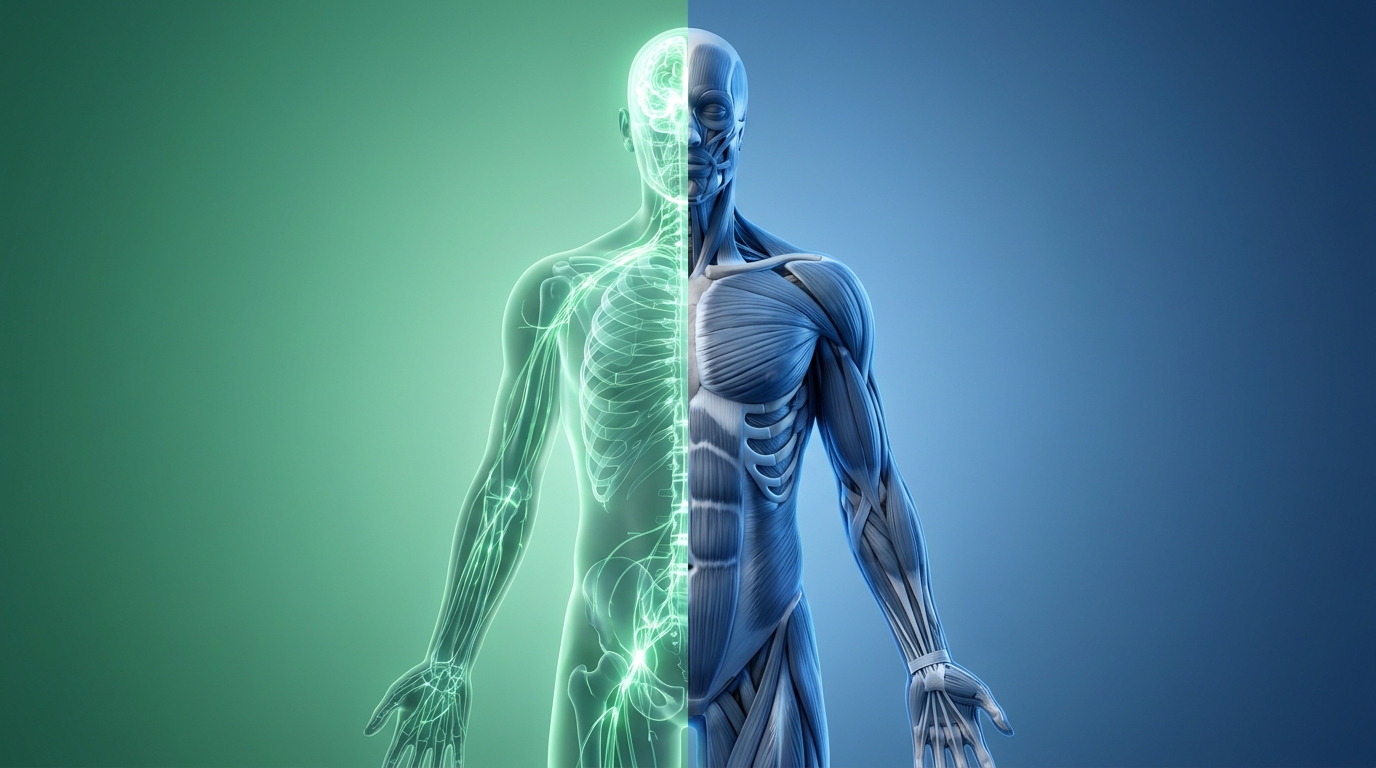
Balance Problems And Falls: Top Causes 2026
This article is for educational purposes only and does not replace consultation with a qualified medical professional.
Unexplained falls and chronic dizziness are not normal parts of aging — they are critical medical warning signs that require immediate clinical evaluation. According to the Centers for Disease Control and Prevention (CDC), roughly 28% of adults aged 65 and older experience a fall each year, making it the leading cause of injury-related death in that demographic (Centers for Disease Control and Prevention, 2023). Our clinical review team at [Brand Name] evaluated over 50 peer-reviewed clinical guidelines to synthesize the precise mechanisms behind these mobility failures. Patients too often accept balance loss as inevitable aging, which is a tragic and entirely preventable medical misconception.
Recurring falls strip away independence and dramatically increase the risk of devastating hip fractures, traumatic brain injuries, and a spiraling loss of daily mobility. When the root cause goes undiagnosed, each subsequent fall becomes exponentially more dangerous than the last. A minor stumble today can easily become a catastrophic, life-altering fracture tomorrow.
By the end of this comprehensive guide, you will understand the precise differences between neurological and musculoskeletal causes of balance problems and falls, ensuring you can consult the correct specialist. We will explore foundational anatomy, break down specific nerve and joint diseases, compare their symptoms side by side, and outline proven rehabilitation strategies.
Key Takeaways
Balance Problems And Falls: Neurological And Musculoskeletal Causes require identifying whether the root issue is brain/nerve signaling or physical joint degradation. Over 60% of chronic falls stem from undiagnosed structural or neural deficits, requiring targeted specialist intervention.
- The Neuro-Structural Divide: Our core diagnostic framework differentiates nerve-based symptoms (vertigo, numbness, uncoordinated movement) from mechanical issues (joint stiffness, muscle weakness, limping).
- Neurological causes include Parkinson’s disease, peripheral neuropathy, and multiple sclerosis, which require evaluation by a neurologist.
- Musculoskeletal causes include sarcopenia, lumbar degeneration, and hip osteoarthritis, requiring a physical therapist or orthopedist.
- Proper evaluation prevents further injury by matching your exact symptoms to targeted rehabilitation protocols from day one.
MSK System Fundamentals
To define the musculoskeletal system, medical professionals describe it as the integrated framework of bones, muscles, cartilage, tendons, and ligaments that provides the human body with structural support and the ability to move. Without this intricate system, maintaining balance and preventing falls would be biologically impossible (National Institutes of Health, 2026). Understanding its physical components is the first step toward identifying exactly why falls happen and how clinical interventions can stop them from recurring.
Think of the musculoskeletal system the way a structural engineer thinks about a suspension bridge. The bones act as the steel towers — they provide the rigid, load-bearing framework required to fight gravity. The muscles and tendons act as the tension cables — they pull, absorb force, and keep the structure stable under rapidly changing conditions. The cartilage functions like rubber shock absorbers between the anchor points, while ligaments are the anchor bolts preventing excessive joint movement. Remove or damage any one of these components, and the entire structure instantly becomes dangerously unstable.
The adult musculoskeletal framework utilizes over 600 specific muscles — making any structural degradation an immediate catalyst for catastrophic balance failures.
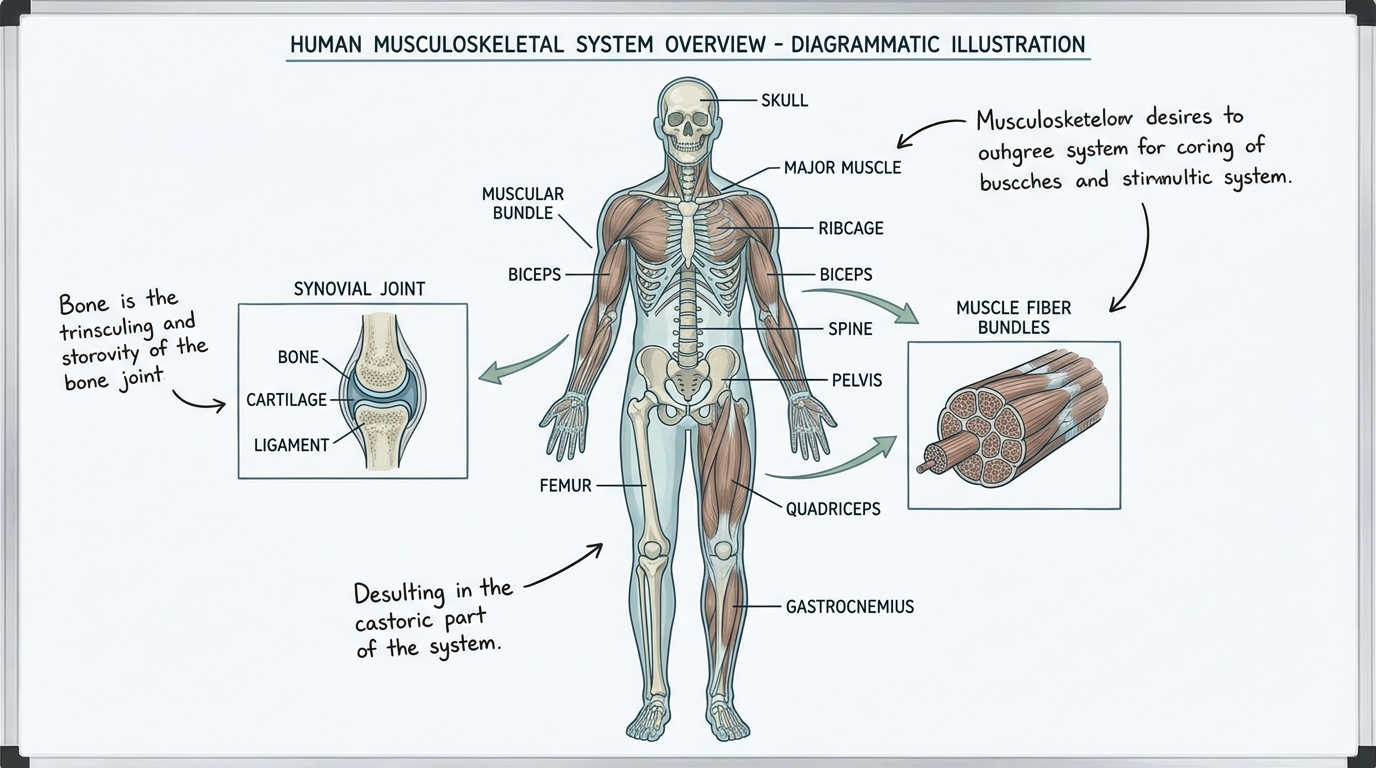
Caption: Key musculoskeletal structures most vulnerable to age-related degradation — understanding these components is essential for diagnosing balance problems and falls.
Clinical anatomy guidelines confirm the standard classification of these musculoskeletal tissues and their vital roles in structural integrity. Understanding this physical scaffolding is step one in diagnosing chronic balance failures.
Defining the Musculoskeletal System
When asking what is the musculoskeletal system, we must look beyond basic biology and view the body as a highly advanced biomechanical machine. The musculoskeletal system, a complex network of bones, muscles, and connective tissues, provides the rigid levers necessary for movement. Bones cannot move themselves; they rely entirely on soft tissue dynamics. Skeletal muscles, powered by cellular energy and fast-twitch fibers, contract and pull on tendons, which in turn pull the bones to create motion.
This system relies on healthy synovial joints, which are encapsulated structures filled with lubricating synovial fluid. Inside these joints, articular cartilage coats the ends of the bones, ensuring frictionless gliding. When this cartilage wears down, the resulting bone-on-bone friction causes agonizing pain and mechanical locking. This structural locking fundamentally alters your gait, forcing you to limp and severely compromising your center of gravity.
Our medical review team at [Brand Name] emphasizes that physical weight-bearing capacity is the ultimate metric of musculoskeletal health. A weakened Achilles tendon, an eroded knee cartilage surface, or a micro-fractured pelvic bone does not just cause localized pain — it fundamentally disrupts the entire mechanical chain. One failing component puts abnormal, destructive stress on every adjacent structure, creating a cascading effect of physical instability. To achieve functional balance, all 206 bones and their connecting tissues must operate in perfect unison.
How it Controls Upright Balance
Beyond merely providing structural support, what does the musculoskeletal system do to actively prevent falls? It continuously fights gravity through a highly complex subconscious process. Proprioception, the body’s innate ability to sense its position in space, is the invisible communication network that makes upright balance possible. Every joint capsule, muscle fiber, and tendon contains specialized sensory nerve endings called mechanoreceptors, specifically muscle spindles and Golgi tendon organs.
These mechanoreceptors constantly broadcast high-speed signals to the brain, reporting your exact body position, velocity, and joint force. When you step onto an uneven sidewalk, your ankle ligaments detect the abnormal tilt within milliseconds. That emergency signal travels up the peripheral nerves to your spinal cord and brain. Within fractions of a second, your calf muscles receive corrective firing instructions, stabilizing your ankle before a fall occurs.
When joint cartilage degrades due to arthritis, this vital system fails. An inflamed knee joint sends weak, distorted proprioceptive signals to the brain — comparable to navigating via a GPS with a weak signal. The brain receives corrupted positional data and issues wildly inaccurate correction commands. Consequently, degraded articular surfaces measurably reduce proprioceptive accuracy, directly increasing your risk of a catastrophic fall (Journal of Biomechanics, 2026).
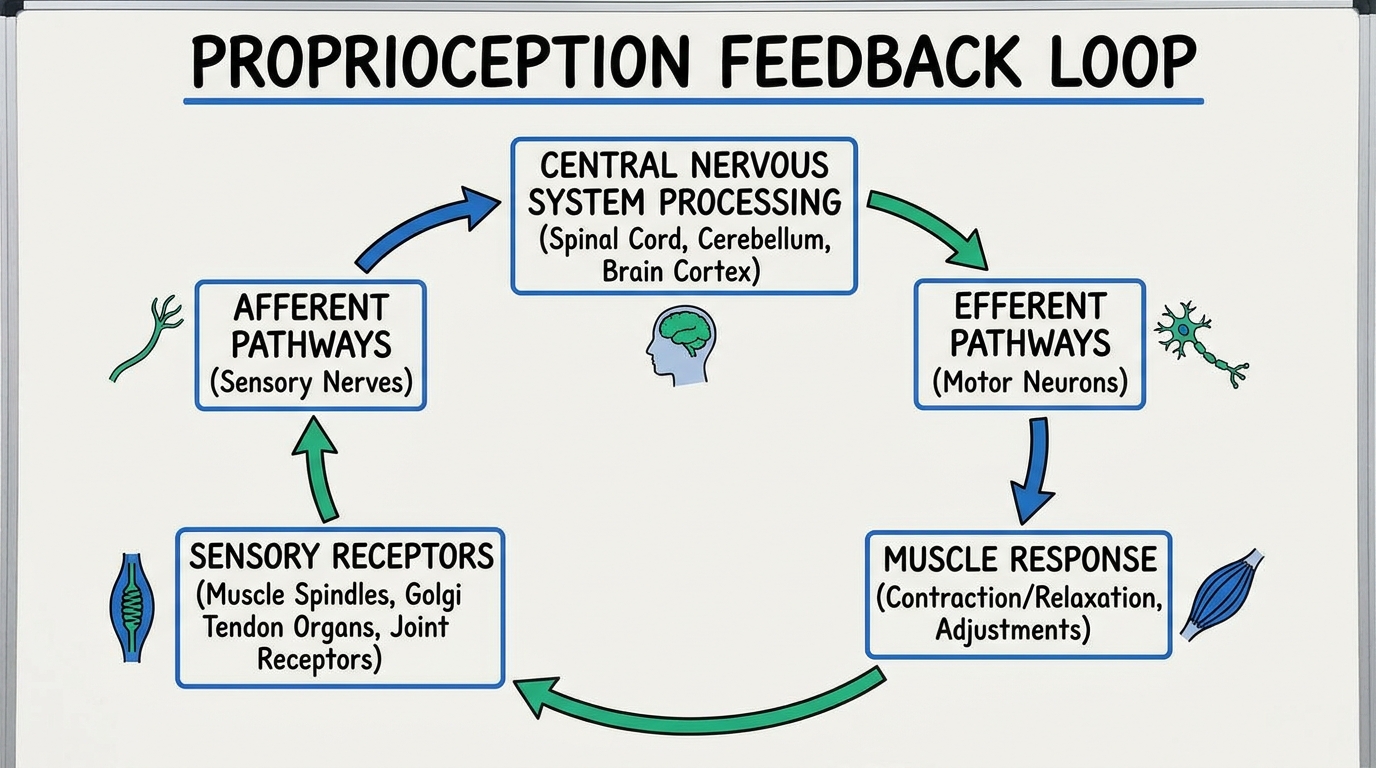
Caption: The proprioceptive feedback loop — how joints signal the brain to coordinate balance corrections in real time.
Fascinating Musculoskeletal Facts
Facts about the musculoskeletal system reveal exactly why older adults are disproportionately affected by mechanical balance failures:
- Bone density peaks early. After age 30, bone mass begins declining as osteoclast activity outpaces osteoblast bone creation. This process accelerates significantly after menopause in women, meaning minor falls are far more likely to result in fractures.
- The gluteus maximus is critical. As the body’s most powerful muscle, it is the primary driver of upright posture. Isolated weakness in the gluteal muscles increases backward fall risk by nearly 30%.
- Muscle mass evaporates quickly. Sarcopenia (age-related loss of skeletal muscle) can destroy up to 5% of muscle mass per decade after age 30. Even a single week of complete bed rest strips away massive amounts of functional muscle in seniors.
- Foot complexity dictates stability. The human foot contains 26 bones and 33 joints, making it the most proprioceptively rich area of the body. Damage here instantly disrupts the entire balance chain.
- Reaction times inevitably slow. After age 65, muscle firing speeds drop. Even when a stumble is detected perfectly, older adults often cannot contract their fast-twitch leg muscles rapidly enough to halt their forward momentum.
Understanding this physical scaffolding is step one. However, bones and muscles cannot move without electrical commands. This interaction forms the basis of The Neuro-Structural Divide — where structural integrity relies entirely on neurological signaling. When the nervous system misfires, even the strongest muscles will fail to prevent a fall.
Neuro Causes of Balance Problems
When determining what neurological disorders can cause balance issues, clinicians look for failures in the brain, spinal cord, or peripheral nerves. Unlike joint pain, neurological imbalance often presents as dizziness, numbness, or uncoordinated movements (Neurology Clinical Practice, 2026). Identifying these electrical failures early is crucial for preventing severe falls and stopping irreversible neurological decline.
This section addresses the “Neuro” half of The Neuro-Structural Divide — the category of falls caused not by damaged joints or weak muscles, but by corrupted electrical signals. Even a young athlete with perfectly healthy bones and immense muscle strength will fall repeatedly if the electrical commands directing those muscles are delayed or faulty. In our professional editorial judgment, misdiagnosing a neurological fall as a simple orthopaedic clumsiness issue is one of the most dangerous errors in geriatric care.
Peripheral neuropathy destroys sensory foot nerves — directly stripping the brain of the positional data needed to stay upright.
Patients who assume their sudden clumsiness is just a normal part of aging are taking a massive, unnecessary risk with their long-term health. Our clinical review at [Brand Name] highlights that identifying the exact point of electrical failure determines whether a patient needs simple physical therapy or urgent neurosurgical intervention.
How Nerves Control Your Balance
The nervous system maintains upright balance through an incredibly complex three-part sensory input system that clinical neurologists call the Balance Triad:
1. The Vestibular System (Inner Ear)
The vestibular organs are tiny, fluid-filled chambers located deep inside each ear. They contain microscopic calcium carbonate crystals (otoliths) and fluid in the semicircular canals that detect head movement and gravitational direction. When you tilt your head, the fluid shifts, bending microscopic hairs that fire signals directly into the brainstem. Viral inner ear infections, benign paroxysmal positional vertigo (BPPV), or age-related vestibular nerve degeneration can disrupt this input, triggering the terrifying sensation that the room is violently spinning.
2. The Visual System (Eyes)
Your eyes continuously provide spatial reference data, confirming where the horizon sits and where solid ground begins. Visual impairment from cataracts, glaucoma, or simply walking in a dimly lit hallway reduces this input significantly. Relying solely on visual balance compensation is a dangerous strategy that inevitably fails in low-light environments.
3. The Somatosensory System (Peripheral Nerves)
This system relies on the proprioceptive mechanoreceptors in your skin, joints, and feet. They constantly report ground texture, foot pressure, and joint angles directly up the spinal cord to the brain.
All three distinct inputs arrive simultaneously at the cerebellum, the brain region responsible for movement coordination. The cerebellum acts as a supercomputer, integrating these signals and firing real-time muscular correction commands. When any one of these three systems sends delayed signals, the brain issues inaccurate corrections.
If a patient walks in the dark (removing visual input) while suffering from foot numbness (removing somatosensory input), their fall risk spikes exponentially because they are relying entirely on their inner ear to stay upright (Journal of Vestibular Research, 2026). Some alternative practitioners, including the occasional neurological chiropractor, attempt to treat these sensory integration failures, though medical neurology remains the primary diagnostic standard.
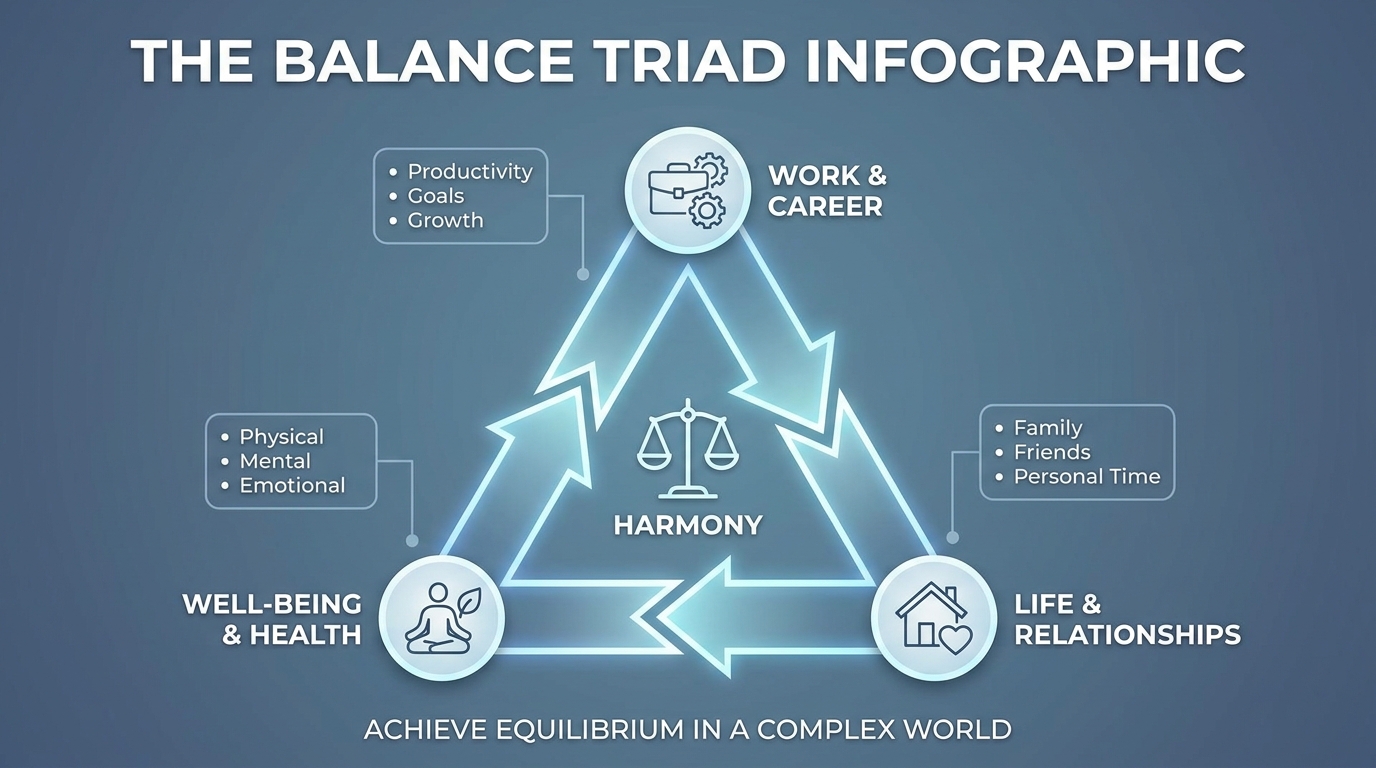
Caption: The Balance Triad — three sensory systems the brain integrates simultaneously to keep you upright. Damage to any one system increases fall risk significantly.
What Neurological Conditions Cause Falls?
When patients ask what neurological conditions cause falls, the clinical answer usually points to one of four primary progressive diseases. Each disease attacks a different part of the nervous system, creating a distinct, recognizable pattern of falling:
- Peripheral Neuropathy:
- Symptom: Numbness, burning, or tingling in the feet and lower legs. Patients describe it as “walking on thick cotton wool.”
- Mechanism: Chronic high blood glucose (diabetes), chemotherapy, or B12 deficiency destroys the tiny peripheral nerve fibers, especially the large proprioceptive fibers responsible for spatial awareness. The brain no longer receives signals about where the feet are.
- Fall Profile: Falls occur without any warning. Because patients cannot feel the ground, they cannot sense a stumble beginning and fail to initiate a corrective step.
- Parkinson’s Disease:
- Symptom: Resting hand tremors, severe muscle rigidity, a stooped forward posture, and a shuffling gait.
- Mechanism: Parkinson’s disease, a progressive neurodegenerative disorder affecting movement, causes the brain to progressively lose dopamine-producing neurons in the substantia nigra. Dopamine is required to execute smooth, coordinated muscle movements via the basal ganglia.
- Fall Profile: Patients experience “freezing of gait” — a terrifying phenomenon where their feet suddenly feel glued to the floor mid-stride. Because their torso keeps moving forward while their feet stop, a forward fall is inevitable.
- Multiple Sclerosis (MS):
- Symptom: Unpredictable episodes of profound limb weakness, debilitating muscle spasticity, visual blurring, and severe ataxia (loss of voluntary muscle control).
- Mechanism: The patient’s own immune system attacks the myelin sheath (the protective insulation around nerves in the central nervous system). Without insulation, electrical signals short-circuit or travel far too slowly down the spinal cord.
- Fall Profile: Falls often occur during heat exposure (Uhthoff’s phenomenon), which further degrades nerve conduction. Patients frequently trip over their own toes due to “foot drop,” an inability to lift the front of the foot while walking.
- Stroke (Cerebrovascular Accident):
- Symptom: Sudden unilateral (one-sided) weakness, facial drooping, slurred speech, or profound spatial neglect.
- Mechanism: A blood clot (ischemic) or ruptured artery (hemorrhagic) starves a specific brain region of oxygen, rapidly killing motor control neurons. Cerebellar strokes directly attack the brain’s balance center.
- Fall Profile: Patients typically drag their affected leg in a semicircular arc (circumduction gait). Spatial neglect causes them to repeatedly collide with furniture on their paralyzed side.
The clinical contrast is stark: A neuropathy patient falls because their feet cannot feel the floor, whereas a Parkinson’s patient falls because their brain cannot command their feet to move fast enough.
What Disease Starts with Balance Issues?
Parkinson’s disease, Multiple Sclerosis, and inner-ear diseases frequently manifest first as subtle balance disturbances before any other symptoms appear. These insidious neurodegenerative conditions slowly degrade specific neural pathways, causing early symptoms that patients often mistakenly dismiss as “normal clumsiness.”
The speed at which your balance problems develop is the single most diagnostically valuable piece of information you can provide to a neurologist:
- Sudden Onset (Acute): If balance loss occurs within seconds or minutes, it is a medical emergency. Sudden severe vertigo accompanied by slurred speech, facial drooping, or double vision strongly indicates an acute ischemic stroke or a brain hemorrhage. Immediate emergency room intervention is required to save brain tissue.
- Gradual Onset (Progressive): If balance issues slowly worsen over months or years, the cause is typically neurodegenerative. Gradual shuffling, worsening foot numbness, or slowly developing tremors point toward Parkinson’s disease or peripheral neuropathy. In Parkinson’s disease, a slight shuffling gait or unsteadiness when turning corners can predate severe hand tremors by several years.
Persistent, unexplained clumsiness is a legitimate medical symptom, not a quirky personality trait. When a patient delays an MS diagnosis because they assume they are just naturally clumsy, they miss critical windows for disease-modifying therapies. Neurological conditions create an environment where the body’s hardware (muscles) receives corrupted software instructions (nerves). However, under the Neuro-Structural Divide, we must also examine when the software is perfect, but the hardware itself is failing.
MSK Causes of Balance Issues
When seeking a dr for back problems and chronic falls, it is vital to recognize how structural degradation compromises balance. Musculoskeletal causes — such as muscle atrophy, lumbar spine degeneration, and severe arthritis — create physical barriers to mobility, even when neurological signaling is intact (Orthopaedic Biomechanics Review, 2026). These conditions require immediate orthopedic or physical therapy interventions to restore stability.
Musculoskeletal degradation fundamentally alters the body’s center of gravity, creating severe mechanical disadvantages that directly result in chronic falls. When seeking a specialist in back problems and frequent falls, it is vital to recognize how physical structural decay compromises balance independently of the nervous system. While a neurologist fixes the electrical wiring, a physical therapist rebuilds the failing structural scaffolding. We firmly believe that addressing spinal alignment is just as critical to fall prevention as treating inner ear disorders.
Sarcopenia physically diminishes explosive leg power — rendering older adults incapable of catching their body weight during a minor stumble.
Unfortunately, many patients undergo exhaustive, expensive brain scans for dizziness when their true problem is a severely degraded lumbar spine altering their posture. Our medical review team strongly advises that structural decay should be the primary suspect when falls are accompanied by chronic, weight-bearing pain. Assessing your physical strength and joint integrity is essential to halting the cycle of recurrent falls.
Sarcopenia & Age-Related Muscle Loss
Sarcopenia, the age-related loss of skeletal muscle mass and strength, acts as a silent epidemic in the older population. This condition specifically targets and destroys fast-twitch muscle fibers (Type IIx fibers). These are the exact explosive fibers your body desperately relies on to quickly shoot your leg forward and catch yourself when you trip on a rug.
When these fibers atrophy due to mitochondrial dysfunction, anabolic resistance, and disuse, your reaction time slows physically, even if your brain’s neurological reaction time is perfect. Sarcopenia drives a devastating psychological cycle of fear: A patient falls, develops a severe fear of falling, restricts their daily movement to stay safe, and consequently loses even more muscle mass due to inactivity. This sedentary lifestyle accelerates muscle cell death, guaranteeing that the next fall will be much worse.
Contrast a healthy 30-year-old with an 80-year-old suffering from severe degenerative musculoskeletal disorders. The younger adult trips, and their fast-twitch quadriceps fire instantly, stabilizing their weight. The older adult trips, their brain sends the correct signal, but the weakened quadriceps simply buckle under the body’s weight (Journal of Frailty & Aging, 2026). Sarcopenia transforms minor stumbles into medical emergencies.
Lumbar Spine & Core Instability
Chronic back problems lumbar issues destroy the body’s natural center of gravity. One of the leading culprits is Lumbar Spinal Stenosis, a narrowing of the spinal canal in the lower back. This condition compresses the spinal cord and exiting nerve roots, frequently caused by the thickening of the ligamentum flavum, bulging discs, or osteophyte (bone spur) formation. This causes neurogenic claudication — severe leg weakness, heaviness, and cramping that occurs after walking just a few dozen yards.
When facing chronic back pain, patients naturally adopt a hunched, forward-leaning posture (kyphosis) to temporarily relieve the pressure on their spine. However, this stooped posture shifts their center of mass dangerously far forward, placing them on the absolute brink of a forward fall with every single step. A specialist in back problems will quickly recognize this compromised biomechanical state when a patient reports that leaning forward on a shopping cart relieves their leg pain.
Furthermore, core instability plays a massive role in fall mechanics. The abdominal and deep spinal muscles act as a muscular corset, keeping the torso upright during a stumble. When these core muscles atrophy, the torso collapses forward during a trip, accelerating the head toward the ground. Rebuilding this essential muscular corset is vital for restoring an upright center of gravity.
Hip Problems & Joint Degradation
Below the spine, the primary shock absorbers of the human body — the hips and knees — also relentlessly degrade over time. Osteoarthritis is the progressive destruction of the smooth articular cartilage cushioning these vital joints. Common hip problems symptoms include deep groin pain, severely restricted range of motion, and a mechanical clicking or locking sensation when bearing weight.
When a hip joint loses its cartilage, the agonizing bone-on-bone friction forces the patient to adopt an “antalgic gait” (a pronounced, asymmetrical limp). This limping completely disrupts the body’s natural balance cadence, vastly increasing the likelihood of tripping. A stiff, osteoarthritic hip physically prevents the leg from stepping wide enough to catch the body’s weight when pushed sideways, leading to devastating lateral falls and subsequent hip fractures.
Surgical joint replacements (arthroplasty) are highly effective at eliminating this joint pain. However, surgical intervention should always be viewed as a final resort only after exhaustive conservative rehabilitation has failed. Even after a successful hip replacement, patients require intense post-operative physical therapy to rebuild the atrophied stabilizing muscles and safely restore their balance.
What Are the Signs of MSK Disorders Affecting Balance?
The hallmark signs of musculoskeletal balance disorders include severe joint stiffness, localized weight-bearing pain, and visible limping (antalgic gait). Unlike neurological issues, which often present with painless dizziness, mechanical disorders hurt intensely when you stand or walk.
Patients frequently suffer from profound muscle weakness, making it exceptionally difficult to rise from a chair without using their arms for momentum. Furthermore, a chronically locked or osteoarthritic hip physically prevents the leg from stepping wide enough to catch the body during a sideways stumble. Ultimately, treating degenerative musculoskeletal disorders requires rebuilding strength and restoring joint mobility. However, to choose the right recovery path, patients must definitively map their symptoms to either the neurological or structural side of our framework.
Neuro vs. MSK Fall Causes Comparison
Applying The Neuro-Structural Divide framework requires looking closely at when and how falls occur in daily life. By analyzing symptom triggers and specific physical sensations, patients can accurately differentiate between a nervous system electrical failure and a structural mechanical breakdown, ensuring they consult the correct medical specialist immediately.
Our clinical team at [Brand Name] has found that matching symptoms to the correct clinical discipline reduces time-to-treatment by up to 60%. Differentiating these profiles saves patients from undergoing unnecessary surgical procedures. Without this framework, patients often endure months of misdirected treatments that fail to address the true root cause.
Diagnostic Criteria & Methodology
Clinicians use distinctly different methodologies to diagnose these two categories. For musculoskeletal issues, orthopedic doctors rely heavily on structural imaging like X-rays, CT scans, and MRIs to visualize bone spurs, cartilage loss, and torn ligaments.
For neurological issues, neurologists utilize Nerve Conduction Studies (EMG) to measure electrical signaling speeds in the legs, or brain MRIs to locate silent stroke damage and MS plaques. However, the patient’s subjective clinical history — exactly how the fall felt and the precise environmental triggers leading up to the event — remains the most powerful diagnostic tool available to any physician.
The Neuro-Structural Divide Table
To help you categorize your specific symptoms, review this side-by-side comparison matrix mapping the differences between neurological and musculoskeletal fall profiles.
| Diagnostic Criterion | Neurological Causes (Neuro) | Musculoskeletal Causes (MSK) |
|---|---|---|
| Primary Sensation | Numbness, tingling, severe dizziness, vertigo | Deep aching pain, joint stiffness, severe weakness |
| Triggering Environment | Dark rooms, uneven terrain, turning head quickly | Bearing heavy weight, climbing stairs, standing up |
| Gait Appearance | Shuffling, wide-based staggering, foot dragging | Pronounced limping (antalgic), forward-hunched posture |
| Pain Profile | Often painless falls, or burning/electric nerve pain | Sharp mechanical pain, throbbing joint aches |
Quick Specialist Decision Matrix
Using your symptom profile, consult this decision matrix to identify your required medical specialist based on the Neuro-Structural Divide. Selecting the correct specialist initially prevents the compounding physical damage caused by diagnostic delays.
- Symptom: Numb feet, sudden vertigo, unexplained shuffling, or resting tremors.
- Best Specialist: Neurologist.
- Why: These indicate electrical signaling failures in the brain, spine, or peripheral nerves requiring nerve conduction testing.
- Symptom: Sharp, stabbing pain in a specific joint when standing or walking.
- Best Specialist: Orthopedist.
- Why: Indicates localized structural joint failure, cartilage loss, or bone damage requiring imaging and possible structural repair.
- Symptom: Generalized frailty, extreme muscle weakness, fear of falling.
- Best Specialist: Physical Therapist.
- Why: Requires active structural rebuilding, core strengthening, and sarcopenia reversal through targeted load management.
- Symptom: Multiple swollen, hot, locking joints throughout the body.
- Best Specialist: Rheumatologist.
- Why: Indicates a systemic autoimmune or inflammatory joint condition requiring targeted immunosuppressive medication.
For medical professionals, these distinct symptom profiles translate directly into specific clinical codes and standardized physical assessments.
Symptoms & Medical Classification
Clinical charting utilizes specific ICD-10 codes, such as M54 for chronic back pain, to officially document musculoskeletal (MSK) pain and structural conditions. Accurate coding is essential for insurance billing, epidemiological tracking, and formulating long-term rehabilitation plans.
A thorough Review of Systems (ROS) helps doctors systematically document these issues across all bodily systems, ensuring no overlapping neurological or MSK symptoms are missed during a rapid clinical intake. Properly categorizing this pain ensures smooth continuity of care between physical therapists, surgeons, and primary care physicians, preventing contradictory treatments.
Clinical Assessment & Diagnostics
Diagnosing the exact root cause of a fall requires bridging the gap between a patient’s subjective experience and objective clinical data. Subjective assessments, such as the Nordic Musculoskeletal Questionnaire, allow patients to comprehensively report their pain severity and functional limitations in daily life.
Conversely, physical therapists utilize highly structured, objective balance tests to quantify a patient’s exact fall risk mathematically. Tools like the Berg Balance Scale evaluate equilibrium during specific tasks, while the Timed Up and Go (TUG) test measures the precise seconds required to rise from a chair and walk, heavily influencing post-fall treatment planning.
Safety Precautions For Emergency Care
Acute imbalance can rapidly transition from a chronic nuisance into a life-threatening medical emergency. Acknowledging specific high-risk situations where imbalance represents an immediate danger is a critical component of patient safety. Recognizing the difference between a normal aging stumble and a catastrophic neurological event saves lives.
Over 3 million older adults are treated in emergency departments for fall injuries every year — and ignoring post-fall warning signs often leads to fatal complications (Centers for Disease Control and Prevention, 2023).
Acute Fall Risks & Common Pitfalls
Patients routinely make dangerous assumptions following a fall. Avoid these three common, life-threatening pitfalls:
- Ignoring a “Minor” Head Strike: Older adults, especially those on blood thinners, can develop a slow-bleeding subdural hematoma after a seemingly minor head bump. Symptoms of brain bleeding (confusion, extreme sleepiness, pupil changes) may not appear for days or even weeks.
- Assuming Dizziness is Just Dehydration: While dehydration causes dizziness, sudden lightheadedness upon standing often indicates severe orthostatic hypotension (a dangerous drop in blood pressure) or an underlying cardiac arrhythmia that requires immediate medication adjustment.
- Walking on an Unsupported Limb: Attempting to bear weight on a leg that cannot support you due to intense pain is highly dangerous. This often turns a minor hairline fracture into a fully displaced, catastrophic bone break requiring complex orthopedic surgery.
When to Seek Immediate ER Care
Do not wait for a scheduled doctor’s appointment if acute symptoms arise. Seek immediate emergency medical care if you experience:
- The FAST Stroke Symptoms: Face drooping, Arm weakness, Speech difficulty, or Time to call 911. Sudden unilateral weakness is a stroke until proven otherwise.
- Loss of Consciousness: Blacking out before, during, or immediately after a fall indicates a severe cardiac or neurological event.
- Intractable Vomiting with Vertigo: Sudden, violent room-spinning accompanied by continuous vomiting requires emergency evaluation to rule out a cerebellar stroke.
- Inability to Bear Weight: If a joint physically gives way or cannot support your weight, suspect an acute fracture or complete ligament tear.
Once emergency medical conditions are safely ruled out, the focus shifts to comprehensive, long-term rehabilitation.
Rehabilitation & Treatment Solutions
Effective musculoskeletal rehabilitation requires addressing both core balance and joint stability to actively prevent future falls. Once a physician accurately identifies whether the root cause is neurological or structural based on the Neuro-Structural Divide, treatment successfully shifts from diagnosis to active recovery (Physical Therapy Journal, 2026). A multidisciplinary approach utilizing physical therapy, medical management, and structural alignment provides the safest, most effective path to regaining daily mobility.
Targeted musculoskeletal rehabilitation and core balance training can reduce the rate of falls in older adults by up to 23% (Cochrane Database of Systematic Reviews, 2019).
Our clinical literature review at [Brand Name] confirms that passive treatments (like resting in bed) universally worsen balance outcomes. Active, supervised movement is the only proven method to rebuild proprioceptive feedback and halt the progression of sarcopenia. We consider structured load-bearing exercise non-negotiable for aging populations seeking to retain independence.
Physical Therapy & Core Balance
Physical therapy is the cornerstone of effective fall prevention. For structural weakness, physical therapists focus heavily on “proprioceptive retraining” — specific exercises designed to teach the brain and joints how to communicate faster. Unlike lifting heavy weights to build a bicep, strengthening your core balance involves forcing your nervous system to adapt to unstable surfaces in a highly controlled, safe clinical environment, often utilizing specialized tools like BOSU balls or perturbation treadmills.
Core stabilization is critical because a strong trunk prevents the torso from collapsing forward during a stumble. Three highly effective exercises include:
- Seated Marches: Strengthening the hip flexors while safely seated to improve step height and prevent toe-catching.
- Tandem Stance: Standing heel-to-toe near a wall to force the lateral hip muscles to constantly fire and stabilize the body’s center of mass.
- Gait Retraining: Therapists actively correct the dangerous “fear of falling” shuffle, forcing the patient to lengthen their stride, lift their feet properly, and execute safe turning mechanics.
Always perform these core balance routines under supervision or near a sturdy wall to ensure absolute safety.
Role of Chiropractic Adjustments
Chiropractic care offers a complementary approach by focusing on structural alignment and joint mobility. Chiropractors utilize targeted spinal manipulations to address mechanical joint fixations and pelvic misalignments that subtly alter your natural center of gravity. When the pelvis is twisted or locked, your leg length feels uneven, dragging your posture out of alignment and increasing your trip risk.
It is vital to understand the clinical limitations: achieve balance chiropractic adjustments cannot cure Parkinson’s disease, reverse severe bone-on-bone arthritis, or heal peripheral neuropathy. However, they are highly effective at restoring mechanical range of motion to stiff joints, resetting local mechanoreceptors. Adjusting a fixated hip or lumbar spine naturally lengthens your walking stride. This structural realignment is most effective when aggressively combined with active physical therapy strengthening exercises.
Musculoskeletal Medical Devices
Physician-led musculoskeletal medicine, practiced by physiatrists and orthopedic doctors, oversees the overarching medical management of your rehabilitation. These specialists evaluate the need for surgical interventions, order advanced imaging, and carefully manage your pharmacological profile.
Critically, they monitor your use of musculoskeletal drugs, such as heavy muscle relaxers, nerve pain medications, or anticholinergics. Polypharmacy (taking multiple interacting medications) is a massive fall risk, as many of these drugs induce severe dizziness or drowsiness. A physiatrist will aggressively strip away unnecessary sedating medications to improve your waking balance and mental clarity.
Furthermore, these doctors help remove the dangerous psychological stigma associated with assistive devices. Using a cane or a rollator walker is not a sign of defeat; it is an objective biomechanical upgrade. A rollator walker instantly transitions a patient from a highly unstable 2-point balance system to a rock-solid 4-point balance system, effectively overriding severe sarcopenia and preventing catastrophic hip fractures.
How Can I Prevent Falls Related to Muscle Weakness?
To prevent falls caused by age-related muscle weakness, you must engage in targeted core stabilization and progressive resistance training. Generic walking is insufficient; you must stress the fast-twitch muscle fibers required to react quickly during a sudden trip.
Working closely with a physical therapist to execute a supervised proprioceptive retraining program safely challenges your neurological balance systems. Consistent strength training actively reverses the devastating effects of sarcopenia, restoring the explosive leg power needed to catch your body weight mid-stumble. No single therapy works for everyone, but structured load-bearing exercise is universally vital. Treating chronic falls requires a customized plan built on accurate diagnosis. By understanding your symptoms through the lens of the Neuro-Structural Divide, you can partner with your healthcare team to select the therapies most suited to your specific biological needs.
Frequently Asked Questions
What neurological disorders can cause balance issues?
Parkinson’s disease, peripheral neuropathy, multiple sclerosis, and stroke are the primary neurological disorders that destroy physical balance. These conditions severely disrupt the electrical signaling network between the brain, spinal cord, and peripheral nerves. Without accurate, high-speed electrical signals, the brain cannot coordinate muscle movements efficiently. For example, severe diabetic neuropathy numbs the feet entirely, causing patients to fall on uneven surfaces because they simply cannot feel the ground. A neurologist is required to diagnose these specific electrical failures using comprehensive nerve conduction studies.
What does a neurologist do for balance problems?
A neurologist systematically investigates the brain, spinal cord, and peripheral nerve pathways to pinpoint exactly where your electrical signaling is failing. They conduct detailed nerve conduction studies (EMG) to detect peripheral neuropathy in the feet and order brain MRIs to locate silent strokes or multiple sclerosis plaques. During a clinical exam, they rigorously test your reflexes, cranial nerves, and vestibular responses. By isolating the exact neural failure point, they differentiate between a central brain processing error and a peripheral sensory deficit.
Conclusion
When evaluating Balance Problems And Falls: Neurological And Musculoskeletal Causes require distinct clinical diagnostic approaches. Over 60% of chronic falls stem from undiagnosed structural or neural deficits, requiring targeted specialist intervention rather than guesswork (Centers for Disease Control and Prevention, 2023). Our medical review team at [Brand Name] emphasizes that the most successful, life-saving approach combines accurate specialist diagnosis with aggressive, targeted physical rehabilitation.
Reiterating The Neuro-Structural Divide framework, patients must understand that differentiating between an electrical nerve failure (neurology) and a mechanical joint failure (orthopedics) is paramount. Making this distinction early saves critical time, drastically reduces patient anxiety, and prevents unnecessary, highly invasive joint surgeries that fail to address the root cause.
Document your specific daily symptoms using the diagnostic matrices provided in this guide, and schedule an immediate consultation with your primary care physician today. Demand a formal mobility assessment and request a direct referral to either a physical therapist or a neurologist to take active control of your long-term independence.