
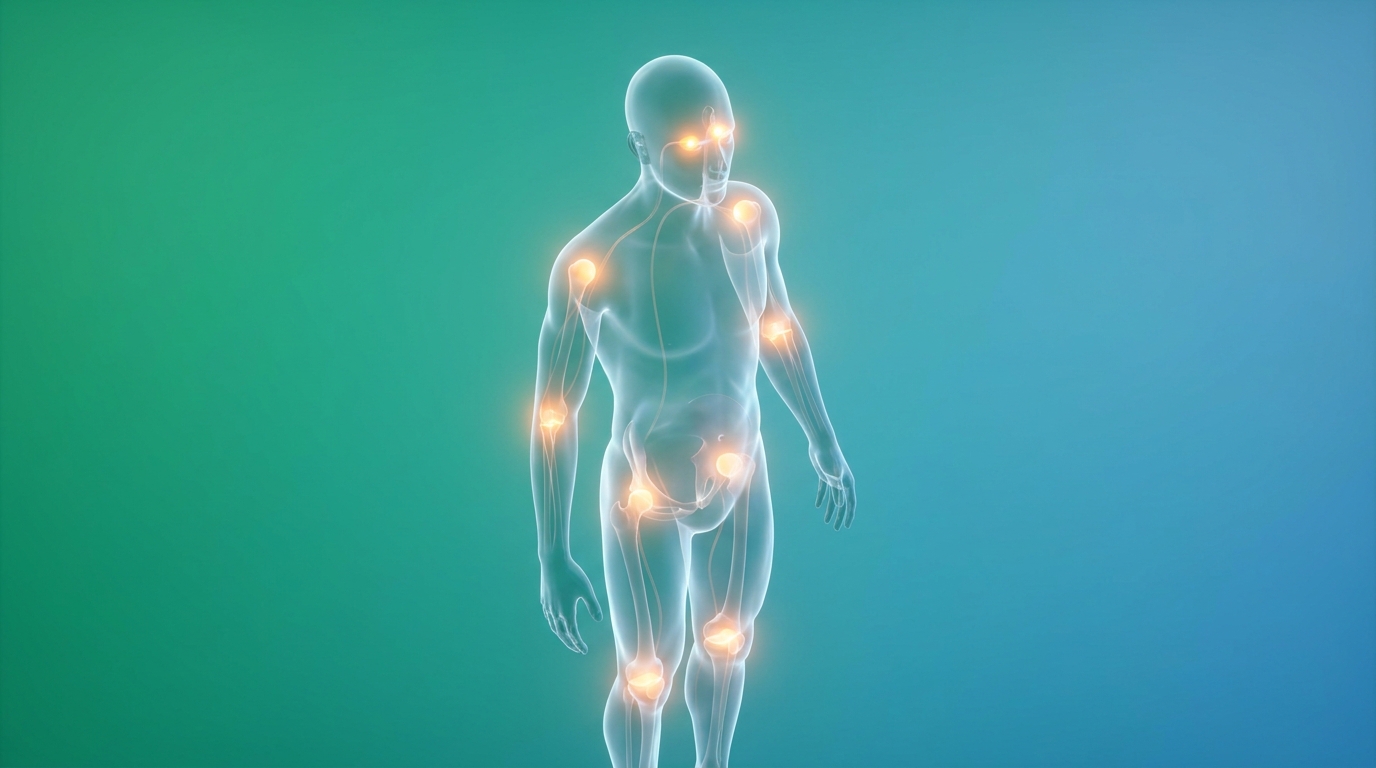
How to Spot Sjogren’s Symptoms: Complete Guide
This article is for educational purposes only and does not replace consultation with a qualified medical professional. Always discuss your symptoms and treatment options with a licensed rheumatologist, neurologist, or primary care physician.
Up to 70% of patients with primary Sjögren’s syndrome report debilitating fatigue as their most disabling symptom—yet the condition is frequently dismissed as simple “dry eyes” ((PubMed, 2019)). For years, patients endure unexplained joint pain, profound brain fog, and chronic dryness before receiving an accurate diagnosis, losing critical time to prevent nerve and organ damage. The frustration of navigating multiple specialists without answers is a universally shared experience among newly diagnosed patients.
By the end of this guide, you will understand the full spectrum of Sjögren’s disease symptoms so you can confidently discuss rheumatological and neurological evaluations with your doctor. We examine the underlying mechanisms of Sjögren’s, map out its systemic symptoms, and outline the clinical tests required for a definitive diagnosis.
Key Takeaways
Sjögren’s disease is a systemic autoimmune disorder that attacks moisture-producing glands, primarily affecting women over 40 (NIAMS, 2023).
- The Sicca-Systemic Divide: Symptoms extend far beyond dry eyes (sicca), impacting lungs, kidneys, and the nervous system.
- Neurological impact: Approximately 20% of patients experience neurological complications, including peripheral neuropathy (nerve damage causing tingling and burning) and brain fog.
- Diagnostic markers: Diagnosis requires specific blood autoantibodies—Anti-SSA/Ro and Anti-SSB/La—and specialized clinical evaluations by a rheumatologist.
What Is Sjögren’s Disease?
Sjögren’s disease is a chronic autoimmune disorder where the body’s immune system mistakenly attacks its own moisture-producing glands. Rather than defending against pathogens, the immune system targets healthy tissue—primarily the salivary and tear glands—triggering inflammation that progressively impairs their function. Research from the National Institute of Arthritis and Musculoskeletal and Skin Diseases (NIAMS, 2023) confirms that women account for approximately 90% of cases, with onset most common after age 40.
Women account for approximately 90% of cases (NIAMS, 2023) — so female patients in their forties experiencing unexplainable joint pain alongside persistent dryness should immediately request comprehensive autoimmune blood panels.
The medical community’s historical tendency to dismiss Sjögren’s as a minor “dry eye” nuisance represents a profound failure in autoimmune patient care. Patients frequently endure a frustrating diagnostic odyssey, visiting optometrists for chronic dry eyes, dentists for accelerated tooth decay, and primary care physicians for unrelenting fatigue. Because these specialists often operate in silos, the overarching systemic connection—an aggressive, immune-mediated attack on the body’s exocrine framework—remains undetected for an average of three to four years. This fragmented approach to symptom management ultimately delays the introduction of vital immunomodulatory therapies, allowing the disease to advance unchecked.
Sjögren’s disease fundamentally alters the body’s moisture-producing infrastructure. White blood cells, specifically hyperactive B-cells and T-cells, systematically invade the exocrine glands, creating chronic inflammation that destroys normal secretory function. This cellular infiltration produces autoantibodies that travel through the bloodstream, ultimately spreading dangerous inflammation to non-glandular tissues like the peripheral nervous system, lungs, and kidneys.
Understanding Sjögren’s disease requires recognizing it as a full-body inflammatory condition, not merely an eye or mouth issue. While the hallmark symptoms of severe dryness are visible and disruptive, the deeper burden of the disease often lies in its systemic effects. Sjögren’s disease impacts women in 90% of cases, spreading inflammation to vital organs beyond basic localized dryness (NIAMS, 2023). Patients who only treat the surface-level dryness frequently miss the broader autoimmune activity occurring beneath.
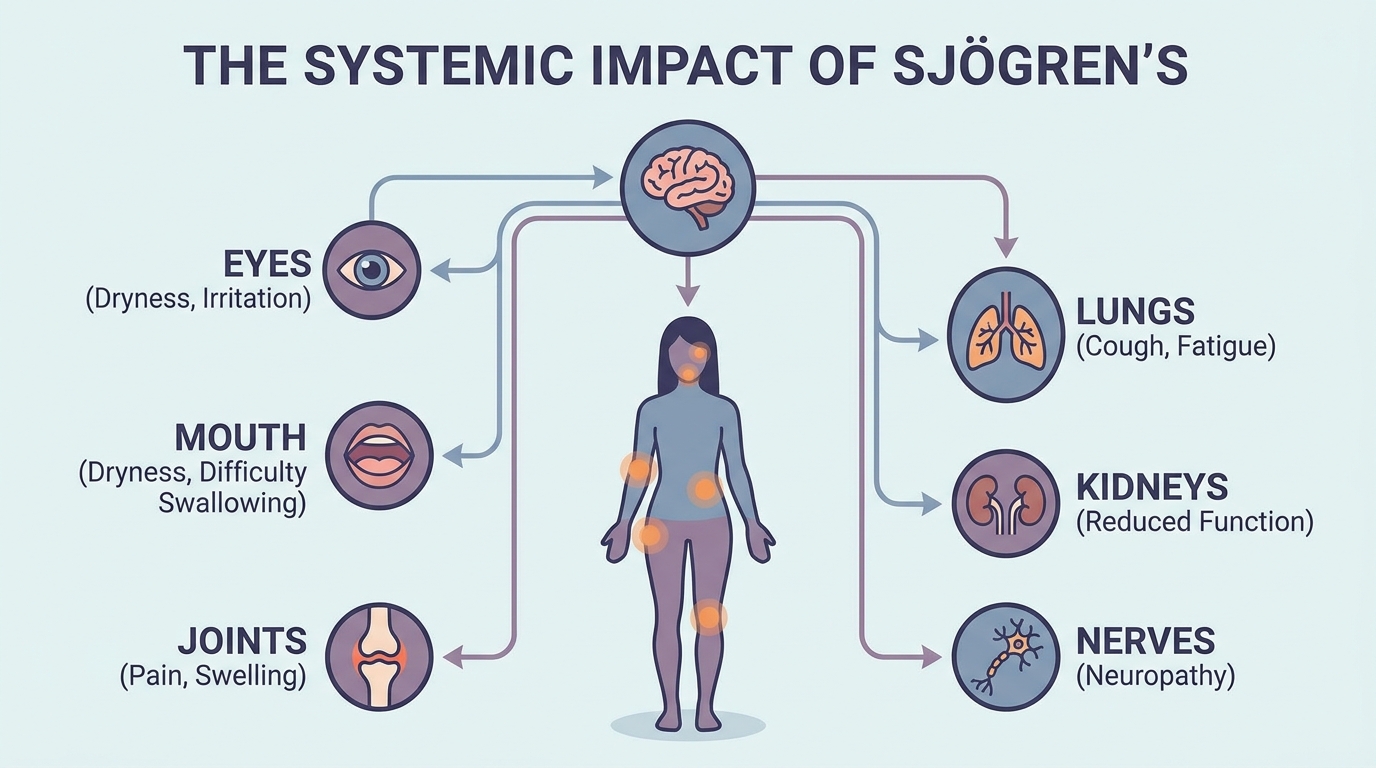
Caption: Sjögren’s disease affects far more than the eyes and mouth — immune-mediated inflammation can spread to the lungs, kidneys, joints, and peripheral nerves.
The Sicca-Systemic Divide
The concept of “The Sicca-Systemic Divide” is a framework for understanding the two distinct tiers of Sjögren’s disease impact. “Sicca” (a Latin medical term for “dry”) symptoms refer to the localized glandular damage causing dry eyes and dry mouth. These are the most recognizable features. The “systemic” side of the divide describes how the overactive immune system spreads inflammation far beyond the moisture glands—attacking joints, blood vessels, and internal organs including the lungs and kidneys.
This divide explains a common and damaging pattern in patient care. A person experiencing chronically dry, burning eyes visits an ophthalmologist and purchases over-the-counter eye drops. Relief is temporary and incomplete. Meanwhile, persistent joint pain, crushing fatigue, and tingling in the feet go unaddressed for months or years. The sicca symptoms receive treatment; the systemic neuroinflammatory markers are entirely ignored. This gap between what is visible and what is occurring internally is precisely why Sjögren’s carries an average diagnostic delay of several years.
Clinicians who focus exclusively on sicca symptoms are missing the systemic neuroinflammatory markers—immune activity that, left unchecked, causes progressive damage to nerves and organs. The NIAMS overview of systemic manifestations confirms that Sjögren’s frequently involves organ systems well beyond the exocrine (moisture-producing) glands, underscoring the need for a rheumatological rather than a purely symptomatic approach to care.
Understanding this divide clarifies why Sjögren’s is categorized into two distinct clinical presentations based on underlying autoimmune activity.
Primary vs. Secondary Sjögren’s
Rheumatologists classify Sjögren’s disease into two main clinical presentations, each with important implications for diagnosis and treatment planning. The distinction relies heavily on the presence of overlapping autoimmune conditions.
Primary Sjögren’s syndrome occurs when the condition develops independently, without another underlying rheumatic disease driving it. In these cases, the immune attack on moisture-producing glands is the primary diagnosis. Symptoms typically include all the characteristic sicca and systemic features described in this guide, and diagnostic testing focuses specifically on Sjögren’s-associated autoantibodies. The systemic complications in primary cases can be exceptionally severe, sometimes requiring aggressive immunomodulatory therapies.
Secondary Sjögren’s syndrome develops alongside a pre-existing autoimmune condition—most commonly Systemic Lupus Erythematosus (SLE) or Rheumatoid Arthritis (RA). When secondary Sjögren’s overlaps with Lupus, for example, clinicians must coordinate treatment strategies across two active autoimmune conditions simultaneously. The sicca symptoms may be attributed to Lupus-related inflammation, delaying recognition of concurrent Sjögren’s involvement. According to the American College of Rheumatology, diagnostic criteria and disease classifications account for these overlapping presentations, requiring comprehensive autoantibody panels to distinguish between conditions (2023).
Whether a patient has primary or secondary Sjögren’s, the practical consequence is the same: a coordinated rheumatology review is necessary, and treating dryness alone is clinically insufficient. Regardless of classification, patients universally experience a specific set of life-altering symptoms that require careful tracking.
Core Symptoms of Sjögren’s Syndrome
The core symptoms of Sjögren’s syndrome encompass severe glandular dryness, profound systemic fatigue, and neurological pain. Because the disease attacks healthy tissues indiscriminately, symptoms fluctuate between localized discomfort and severe full-body flares. Recognizing these diverse signs early is vital for preventing long-term structural damage to the eyes, teeth, and peripheral nerves.

Caption: Sjögren’s disease symptoms range from localized sicca dryness to neurological and organ-level damage — recognizing both tiers is essential for early intervention.
Sicca Symptoms: Eyes & Mouth
Sicca symptoms (the hallmark surface-level indicators of the disease) represent the first tier of Sjögren’s disease manifestation. They arise from lymphocytic infiltration—an immune attack in which white blood cells invade and destroy the exocrine glands responsible for producing tears and saliva.
Dry eyes (xerophthalmia) are often the earliest reported complaint. Patients describe a persistent gritty or sandy sensation, as though a foreign object is trapped under the eyelid. Burning, chronic redness, and heightened sensitivity to light (photophobia) are common accompanying features. Morning symptoms are frequently most severe, as natural lubrication drops significantly during sleep, sometimes causing the eyelids to stick to the cornea upon waking.
Dry mouth (xerostomia) significantly disrupts daily life. Patients commonly report that swallowing dry foods—crackers, bread, meat—becomes nearly impossible without sipping water continuously. Speaking for extended periods causes discomfort, and changes in taste perception are frequent. The clinical consequences of reduced salivary flow are significant and progressive. The NIDCR guidelines on Sjögren’s dental complications confirm that decreased salivary flow in Sjögren’s syndrome significantly increases the risk of rapidly progressing dental cavities and oral candidiasis (thrush) (2023). Saliva neutralizes mouth acids and washes away bacteria; without it, tooth decay accelerates rapidly.
Secondary mucosal dryness extends beyond the eyes and mouth. Many patients experience a dry, hacking cough caused by the lack of moisture in the respiratory tract. Furthermore, women frequently experience severe vaginal dryness, leading to painful intercourse and increased susceptibility to localized infections. These symptoms are frequently under-reported because they feel unrelated to the eye and mouth complaints, yet they share the exact same underlying mechanism.
Sjögren’s Dry Mouth Sensations
What does Sjögren’s dry mouth feel like practically? Sjögren’s dry mouth feels like your mouth is packed with cotton, making speaking, chewing, and swallowing incredibly difficult without constantly sipping water. Patients often experience a burning sensation on the tongue, cracked lips, and food adhering to the roof of the mouth or teeth. In severe cases, the complete absence of saliva makes the oral mucosa (the soft lining of the mouth) feel raw, pebbly, and highly sensitive to spicy or acidic foods. The sensation is constant—it does not resolve overnight the way ordinary dehydration does.
While glandular dryness is highly disruptive, the systemic inflammatory response produces symptoms that patients often find even more debilitating.
Systemic Fatigue and Brain Fog
Sjögren’s fatigue is categorically different from ordinary tiredness. It is not the kind of exhaustion that resolves after a good night’s sleep. Instead, it is a profound, cellular-level depletion directly linked to the body’s sustained immune overactivity. The immune system in Sjögren’s disease is in a state of chronic, inappropriate activation—consuming enormous physiological resources while producing widespread inflammatory signals that impair normal cellular function throughout the body.
Up to 70% of patients with primary Sjögren’s syndrome report debilitating fatigue as their most disabling symptom, heavily impacting quality of life (PubMed, 2019). This statistic matters: it means fatigue, not dryness, is the dominant functional impairment for most patients. Many individuals struggle to complete basic daily tasks, maintain full-time employment, or participate in social activities. Pacing strategies—carefully managing energy expenditure throughout the day—become an absolute necessity for survival.
“Brain fog”—the colloquial term for cognitive dysfunction—is a direct consequence of this neuroinflammatory activity. Patients experience notable difficulties with short-term memory, sustained concentration, and information processing speed. Tasks that previously required little mental effort become challenging. Clinical research on Sjögren’s debilitating fatigue confirms these cognitive impairments as documented neurological symptoms, not secondary effects of poor sleep. Workplace accommodations are frequently required to help patients manage these neurological deficits.
Signs of a Sjögren’s Flare
What does a Sjögren’s flare feel like when symptoms escalate? A Sjögren’s flare feels like a sudden, severe amplification of total-body exhaustion, widespread joint aching, and intense tissue dryness. During a flare, patients commonly report feeling as though they have a severe flu simultaneously with cognitive impairment that makes reading, writing, or following a conversation feel impossible. The salivary glands in the cheeks or under the jaw may also become visibly swollen, painful, and tender to the touch. Flare triggers include physical or emotional stress, viral infections, and overexertion. This systemic inflammation frequently attacks the nervous system and joints directly.
Neuropathy and Joint Pain
Musculoskeletal and neuropathic manifestations represent the most frequently misdiagnosed tier of Sjögren’s disease. Because these symptoms closely resemble other common conditions, patients—and sometimes clinicians—attribute them to aging, stress, or unrelated orthopedic issues, delaying appropriate rheumatological evaluation.
Joint pain (arthralgia) in Sjögren’s disease mimics the aching and stiffness of Rheumatoid Arthritis, but with a critical clinical distinction: Sjögren’s typically does not cause the severe, erosive joint destruction characteristic of RA. The joints may be painful, stiff—particularly in the morning—and intermittently swollen, but X-rays typically do not reveal the bone erosion seen in advanced RA. This distinction is important for differential diagnosis.
Peripheral neuropathy is nerve damage affecting the extremities. In Sjögren’s disease, immune-mediated inflammation attacks the peripheral nerves, specifically targeting small nerve fibers. Patients experience tingling, burning, electric-shock sensations, or numbness—typically beginning in the hands and feet. The neurological symptoms in Sjögren’s arise from direct immune system attacks on the dorsal root ganglia and small nerve fibers, not from compression or structural causes like pinched nerves. Neurologists may perform specialized skin biopsies to confirm small fiber neuropathy, providing objective evidence of the immune system’s attack on the peripheral nervous system.
The specific pattern known as “Sjögren’s feet” describes the characteristic way this neuropathic pain first manifests: as severe burning, shooting, or stabbing pain in the feet and toes. Patients frequently describe their feet as constantly on fire, particularly at night. This symptom is often misattributed to plantar fasciitis, diabetic neuropathy, or circulation problems before the Sjögren’s connection is established.
Approximately 20% of individuals with Sjögren’s syndrome experience these neurological complications, including peripheral neuropathy—a finding confirmed by neurological symptoms and brain fog research from the National Institute of Neurological Disorders and Stroke (NINDS, 2023). This prevalence makes a neuro-musculoskeletal evaluation a critical component of any comprehensive Sjögren’s workup. Because these joint and nerve symptoms mimic other diseases, accurate differential diagnosis is paramount.
Autoimmune Overlap Conditions
Differential diagnosis—the clinical process of distinguishing between conditions that share overlapping symptoms—is one of the most challenging aspects of identifying Sjögren’s disease. Several autoimmune and connective tissue disorders produce fatigue, joint pain, and systemic inflammation that can obscure a clear Sjögren’s diagnosis, particularly in patients who have not yet received specialized rheumatological testing.
In our comprehensive review of rheumatological diagnostic guidelines, we find that clinical overlap is the leading cause of diagnostic delay. Identifying the nuances between similar diseases prevents patients from receiving therapies that suppress the wrong inflammatory pathways.
Sjögren’s vs. Rheumatoid Arthritis (RA): Both conditions cause joint pain, morning stiffness, and fatigue. The critical difference lies in joint destruction. RA is characterized by progressive, erosive damage to joint cartilage and bone, visible on imaging. Sjögren’s joint pain, while real and debilitating, typically does not cause this structural deterioration. Blood markers also differ: RA frequently elevates Rheumatoid Factor (RF) and Anti-CCP, while Sjögren’s is primarily identified through Anti-SSA and Anti-SSB autoantibodies. The American College of Rheumatology’s RA guidelines emphasize monitoring joint erosion carefully to differentiate these two conditions.
Sjögren’s vs. Systemic Lupus Erythematosus (SLE): Lupus presents with a hallmark butterfly-shaped rash across the cheeks and nose (malar rash), severe multi-organ involvement, and profound photosensitivity—features less characteristic of primary Sjögren’s. However, secondary Sjögren’s commonly co-occurs with Lupus, complicating both diagnosis and treatment. A rheumatologist must evaluate the complete autoantibody panel to determine which conditions are active. The Lupus Foundation of America notes that approximately 20% of people with Lupus will also develop secondary Sjögren’s disease.
Distinguishing autoimmune joint pain from metabolic joint pain: Gout—a metabolic condition caused by uric acid crystal deposits in joints—produces sudden, intensely painful flares typically affecting the big toe. Unlike Sjögren’s, gout pain is not driven by an immune attack on moisture glands and does not produce sicca symptoms or antinuclear autoantibodies. Uric acid blood levels and joint fluid analysis confirm a gout diagnosis.
With 20% of lupus patients developing secondary Sjögren’s, failing to diagnose overlapping conditions allows irreversible neuroinflammatory damage to accumulate silently. Because these distinctions require specific laboratory testing and clinical examination, patients experiencing overlapping symptoms should consult a rheumatologist for comprehensive differential blood testing rather than attempting self-diagnosis.
Diagnosing Sjögren’s Disease
Diagnosing Sjögren’s disease requires a multidisciplinary approach combining blood tests, eye exams, and specialized dental evaluations. Because the symptoms mimic aging, menopause, or other autoimmune conditions, patients often face a diagnostic delay of several years. Rheumatologists rely on specific autoantibody biomarkers and physical tissue evidence to confirm the immune system’s hyperactivity. It is not uncommon for patients to visit three or more specialists before all pieces of the diagnostic puzzle are finally connected.
The diagnostic timeline requires synchronized evaluation of serological markers and physical tissue degradation. Medical providers must cross-reference patient-reported symptoms with objective laboratory data, meticulously searching for the telltale signs of exocrine gland infiltration. This rigorous protocol prevents false-positive diagnoses while ensuring that patients with atypical presentations still receive comprehensive care.
Relying exclusively on standard ANA blood panels often leaves seronegative patients suffering for years without proper autoimmune therapies. While Anti-SSA/Ro and Anti-SSB/La are the canonical biomarkers, modern rheumatology now utilizes the Early Sjögren’s Syndrome Profile. This advanced serological panel detects novel tissue-specific autoantibodies—including SP-1 (Salivary Protein 1), PSP (Parotid Secretory Protein), and CA6 (Carbonic Anhydrase VI). These emerging markers frequently elevate years before traditional SSA or SSB antibodies appear, offering a critical window for early pharmacological intervention before irreversible glandular scarring occurs.
Clinical Lab Tests & Biomarkers
The blood tests used to diagnose Sjögren’s disease detect specific proteins produced by an overactive immune system. Understanding what each test measures helps patients arrive at their rheumatology appointment prepared to discuss results intelligently.
Antinuclear Antibody (ANA) test: ANA (a type of autoantibody that attacks the cell’s nucleus) is a broad screening tool for autoimmune activity. A positive ANA result indicates that the immune system is producing antibodies against the body’s own cellular components—but it does not confirm Sjögren’s specifically, as ANA positivity occurs in multiple autoimmune conditions including Lupus and RA.
Anti-SSA (Ro) and Anti-SSB (La) antibodies: These are the disease-specific biomarkers for Sjögren’s. Anti-SSA/Ro autoantibodies appear in approximately 70% of primary cases — so a negative blood test cannot conclusively rule out the disease if tissue biopsies show inflammation. Anti-SSB/La, while less common, is more specific to the condition. A definitive Sjögren’s diagnosis often relies on detecting these specific autoantibodies in the blood, which confirm immune system hyperactivity directed at the moisture glands (American College of Rheumatology, 2023).
A critical nuance that patients must understand: a negative blood test does not rule out Sjögren’s disease. Some patients are seronegative—meaning their blood does not show positive ANA, SSA, or SSB markers—despite having confirmed glandular damage. This is why the ACR diagnostic criteria for SSA and SSB antibodies emphasize that blood testing must be combined with physical tissue examination when blood work is inconclusive. When blood work is inconclusive, clinicians turn to physical assessments of the eyes and mouth.
The Role of Dental & Eye Exams
Physical diagnostic tests provide objective tissue-level evidence that blood tests cannot always capture. Two categories of specialists play critical roles in Sjögren’s diagnosis: dental professionals and ophthalmologists.
Salivary Gland (Lip) Biopsy: When serological testing returns negative despite clear systemic symptoms, the minor salivary gland lip biopsy becomes the definitive diagnostic gold standard. During this outpatient procedure, a surgeon extracts several microscopic salivary glands from the inner lower lip. A pathologist evaluates the tissue, calculating a “focus score” based on the density of lymphocytic clusters. A focus score of 1.0 or higher—meaning 50 or more lymphocytes per 4 square millimeters of tissue—provides undeniable physical proof of autoimmune destruction. Because 30% of patients lack standard blood markers, lip biopsies remain a critical tool for preventing false-negative diagnoses.
Schirmer’s Test and Ocular Staining: Ophthalmologists use the Schirmer’s test to measure tear production objectively. A small strip of sterile filter paper is placed inside the lower eyelid for five minutes. Wetting of less than 5 millimeters conclusively confirms impaired lacrimal gland function. Beyond tear volume, ophthalmologists use specialized drops (like Rose Bengal or Lissamine Green stains) to illuminate areas of the cornea that have been damaged by chronic dryness, providing visual proof of sicca damage.
Dental Detection of Sjögren’s
Can a dentist tell if you have Sjögren’s? Dentists are frequently the first medical professionals to suspect the condition due to distinct patterns of oral damage. They look for clinical signs such as a dry, deeply grooved tongue, a complete lack of salivary pooling beneath the tongue, and rampant cervical cavities specifically along the gumline. These findings form a recognizable pattern that distinguishes Sjögren’s-related oral damage from decay caused by poor hygiene or diet. The NIDCR guidelines on Sjögren’s dental complications confirm these oral findings as key diagnostic indicators. If a dentist identifies these specific markers, they will typically refer the patient to a rheumatologist for definitive autoimmune blood testing.
Undergoing these diagnostic steps allows patients to safely map out a management plan alongside medical professionals.
Safety & Medical Evaluation
Common Symptom Management Traps
Two patterns of self-management consistently delay proper treatment and cause additional harm in Sjögren’s disease patients. Correcting these early interventions prevents irreversible tissue damage.
Trap 1: Relying entirely on over-the-counter (OTC) eye drops. Many patients purchase standard redness-relief eye drops to manage dry eye symptoms before receiving a diagnosis. However, most commercially available eye drops contain preservatives (such as benzalkonium chloride) that cause rebound redness, toxicity, and progressive corneal damage with frequent use. Patients managing Sjögren’s dry eyes should use preservative-free artificial tears, which are widely available but not always the default product on pharmacy shelves. The American Academy of Ophthalmology (AAO) guidelines on artificial tears stress the importance of avoiding preservatives if applying drops more than four times a day. More importantly, OTC drops address comfort but do not treat the underlying immune inflammation. Prescription immunomodulatory eye drops (such as cyclosporine ophthalmic emulsion) target the autoimmune mechanism directly and require a specialist evaluation to obtain.
Trap 2: Pushing through severe fatigue. A natural response to exhaustion is to increase effort—to push through the pain. In Sjögren’s disease, this approach carries real clinical risk. Overexertion during periods of high immune activity can trigger severe autoimmune flares, dramatically amplifying inflammation, joint pain, and cognitive dysfunction. Patients benefit immensely from activity pacing strategies. Johns Hopkins Medicine’s guidance on Sjögren’s management emphasizes that managing daily energy expenditure prevents the cycle of overactivity and subsequent crash periods, stabilizing systemic inflammation markers over time.
Seeking Rheumatology Expertise
Specific symptom thresholds indicate that self-management is insufficient and that a specialized medical evaluation is urgently warranted. If dry eyes or dry mouth persist for more than three months—particularly when accompanied by joint swelling, neuropathic pain (tingling or burning in the feet and hands), or unexplained systemic fatigue—over-the-counter approaches are categorically insufficient. Ignoring chronic dry eyes can lead to severe corneal ulcerations, while untreated neuropathic symptoms can result in permanent nerve damage. These symptom combinations require professional rheumatological assessment, not continued trial-and-error with comfort products.
Before your rheumatology or neurology appointment, prepare a comprehensive symptom record. Compile your complete medical history, results from any recent blood tests (particularly any ANA panels already performed), a written timeline of when specific symptoms began, and a diary of symptom severity patterns. Note whether symptoms fluctuate with stress, illness, or hormonal changes. This preparation enables the rheumatologist to immediately assess whether the diagnostic criteria for Sjögren’s disease are met, rather than spending the first appointment gathering basic history. Arriving prepared dramatically improves the quality and efficiency of your initial specialist evaluation.
Frequently Asked Questions
Can Sjögren’s syndrome come and go?
Yes, Sjögren’s syndrome symptoms frequently fluctuate in a pattern of flare-ups and remissions. While the underlying autoimmune disease is chronic and always present, the intensity of symptoms like joint pain, fatigue, and severe dryness can dramatically peak for days or weeks before subsiding. Triggers for these flares often include stress, viral infections, or overexertion. Maintaining a consistent management plan with regular rheumatology monitoring helps stabilize these fluctuations and reduce flare frequency over time.
Do humidifiers help with Sjögren’s syndrome?
Yes, using a humidifier significantly reduces the discomfort of Sjögren’s syndrome by adding essential moisture to the air. Running a humidifier in the bedroom helps prevent severe nasal, throat, and eye dryness during sleep. Patients typically find the most relief keeping indoor humidity levels between 40% and 60%.
Does Sjögren’s cause dental problems?
Sjögren’s disease is a major cause of severe dental problems, including rapid tooth decay and oral thrush. Because saliva naturally washes away bacteria and neutralizes acids, the lack of salivary flow in Sjögren’s patients leaves teeth completely unprotected. Patients frequently experience cavities specifically along the gumline. They also suffer from recurrent fungal infections that require targeted antifungal treatments. Increased dental visits and prescription fluoride treatments are strongly recommended to preserve the enamel structure (NIDCR, 2023).
What are the first signs of Sjögren’s?
The first signs of Sjögren’s typically include persistent dry eyes, a cotton-like dry mouth, and unexplained systemic fatigue. While these sicca symptoms appear first, subtle joint aches and brain fog often develop concurrently during the early stages of the disease.
What vitamin am I lacking if I have dry mouth?
While dry mouth is a hallmark of autoimmune Sjögren’s disease rather than a primary nutritional deficit, deficiencies in Vitamin B12, Iron, and Riboflavin (Vitamin B2) can cause severe oral dryness and tongue burning. In autoimmune patients, pernicious anemia (B12 deficiency) sometimes overlaps with Sjögren’s. This compounding effect drastically worsens existing oral discomfort. Identifying specific nutritional gaps requires a comprehensive blood panel. You should not begin high-dose vitamin protocols without medical supervision. Chronic dry mouth lasting more than three months requires clinical evaluation rather than blind vitamin supplementation.
Conclusion
For patients experiencing chronic dryness and joint pain, Sjögren’s disease requires urgent clinical evaluation, as 20% of patients develop significant neurological complications like neuropathy (NINDS, 2023). The safest and most effective approach to managing these symptoms involves combining specialized rheumatological blood testing, regular dental monitoring, and pacing strategies for fatigue. Delaying evaluation means allowing preventable structural damage—to teeth, corneas, and peripheral nerves—to accumulate silently.
Recognizing The Sicca-Systemic Divide is the most vital step in patient advocacy. By understanding that Sjögren’s extends far beyond surface-level dry eyes to cause systemic neuroinflammatory damage, patients can clearly articulate their full spectrum of symptoms—from brain fog to joint pain—preventing misdiagnosis and years of silent tissue damage. The divide between what is visible and what is occurring internally is precisely where most diagnostic delays originate, and naming that gap gives patients the language to bridge it with their doctors.
Do not wait for irreversible dental or neurological damage before seeking professional help. Compile your symptom history, request specific autoantibody tests—ANA, SSA, and SSB—from your primary care physician, and consult a board-certified rheumatologist to establish a long-term, evidence-informed management plan. Early diagnosis is the single most powerful tool available to patients facing Sjögren’s disease.