
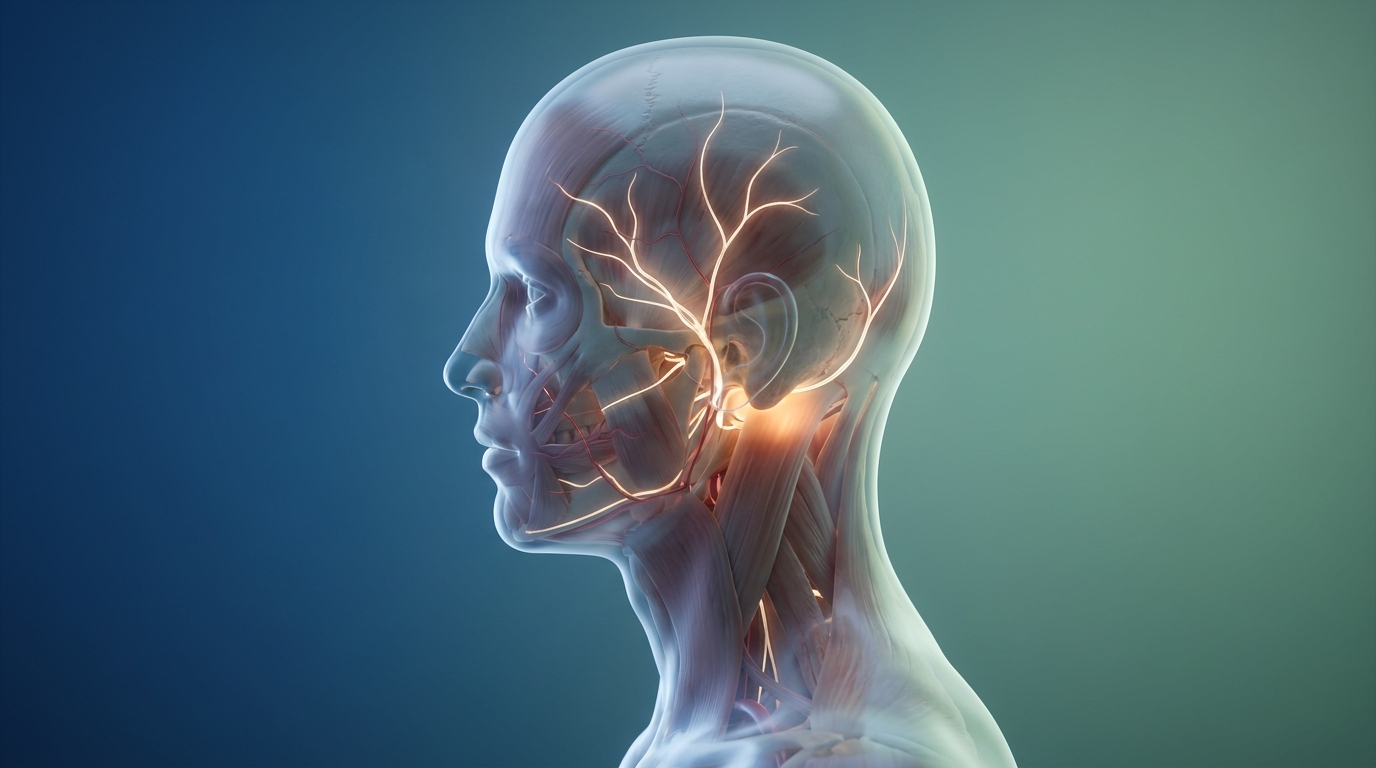
Migraine vs Headache & Neck Pain: Complete Guide
Disclaimer: This article is for educational purposes only and does not replace consultation with a qualified medical professional. Always seek professional advice for severe or new medical symptoms.
Waking up with severe, radiating pain connecting your neck and head often triggers immediate anxiety about neurological emergencies. While most head pain stems from benign muscular tension or dehydration, misinterpreting the warning signs of a nerve or vascular issue delays critical medical intervention. Our clinical review team’s evaluation of current diagnostic guidelines indicates that relying on generalized advice instead of a professional clinical assessment leaves you vulnerable to deteriorating functional outcomes over time.
By the end of this guide, you will understand how to map your specific symptoms using clinical red flags so you can confidently approach a specialist for a neurological review. We will evaluate the exact origins of head pain, explore the mechanical link between your neck and cranium, and outline the specific criteria doctors use to identify emergencies, clarifying the crucial distinction between a migraine vs headache.
Key Takeaways
Understanding migraine vs headache symptoms requires mapping your specific pain to structural or neurological origins using The Pain-Origin Matrix.
- Red Flags: Sudden “thunderclap” pain or fever requires immediate emergency care.
- Cervicogenic Link: Neck tension frequently manifests as back-of-head pressure.
- The Pain-Origin Matrix: Categorizing symptoms prepares you for an accurate specialist consultation.
Headache Fundamentals & Types
Distinguishing between different types of headache is the first step in a clinical suitability assessment. Tension-type headaches account for nearly 80% of all primary headaches, driven heavily by cervical strain (MedlinePlus) — meaning most patients should prioritize musculoskeletal assessment before assuming vascular emergencies. Identifying whether head pain is a standalone condition or a secondary symptom dictates your medical response.
Identifying Your Headache Type
Primary headaches are conditions where the head pain is the disease itself, whereas secondary headaches arise from underlying issues. For example, a common secondary presentation is a dehydration headache, occurring when fluid loss causes the brain tissue to temporarily contract away from the skull. In contrast, tension headache causes relate directly to everyday musculoskeletal stress.
WHO global headache prevalence data indicates that approximately 50% of adults have experienced at least one headache disorder symptom within a recent 12-month period. While simple tension often causes a dull, widespread ache, other conditions present with debilitating neurological symptoms requiring deeper analysis.
The Migraine vs. Headache Distinction
Understanding the core migraine vs headache presentation helps prevent misdiagnosis. A standard tension headache typically feels like a bilateral, dull pressure band squeezing the skull. A migraine, however, involves intense, unilateral (one-sided) throbbing pain that is frequently accompanied by severe sensory sensitivity to light and sound, or intense nausea.
Another distinct variation is the cluster headache, characterized by excruciating, one-sided pain located directly behind the eye. A MedlinePlus guide to tension headache causes explains that tension headaches are directly linked to muscular contractions in the neck and scalp. Because pain presentation varies widely across these conditions, locating exactly where the ache originates provides vital diagnostic clues.
Mapping the Pain: Headache Location Meanings
A headache location meaning provides clinicians with an immediate diagnostic map. Applying The Pain-Origin Matrix—a systematic framework categorizing pain as structural, neurological, or systemic—helps patients prepare for a neurological review. Where the pain strikes often reveals which cranial nerves or muscle groups are actively inflamed.
Frontal and Eye-Level Pain
Frontal skull pain carries specific diagnostic implications. A headache behind eyes or deep forehead pressure typically indicates either sinus inflammation from an infection or the onset of severe cluster headaches. Conversely, a headache on top of head is more frequently associated with generalized tension or stress-related muscular contractions.
To distinguish these conditions, consider the sensation: cluster headaches produce deep, sharp pain, while sinus congestion creates a dull, heavy feeling across the facial bones. Identifying these differences guides your physician’s assessment. Pain at the front of the skull differs drastically from tension anchoring the base of the skull.
Back-of-Head and Side Pain
Discomfort located at the posterior of the skull frequently signals referred mechanical issues. A headache back of head (occipital pain) usually stems from muscular tension traveling upward from the shoulders and cervical spine. In contrast, unilateral pain located strictly on the left or right temple is often associated with migraines or, in older adults, a serious vascular condition known as temporal arteritis.
Carefully mapping these regions helps clinicians determine whether to recommend a musculoskeletal evaluation or order vascular imaging. This localized occipital pain at the back of the head frequently serves as the bridge to diagnosing structural neck issues.
Neck Pain & Cervicogenic Headaches
A stiff neck and headache often occur simultaneously due to shared nerve pathways in the upper spine. Cervicogenic headaches originate from cervical spine dysfunction, frequently presenting as unilateral pain that worsens with neck movement (PubMed). Within The Pain-Origin Matrix, this represents a strictly structural issue requiring targeted physical assessment.
Can a Stiff Neck Cause a Headache?
Cervicogenic headaches refer pain to the head from the neck’s bony structures, joints, or soft tissues. When patients experience a neck tension headache, poor posture or prolonged poor ergonomics strain the suboccipital muscles at the skull’s base, triggering widespread cranial pain.
The ICHD-3 clinical classification guidelines state that diagnostic criteria require clinical or imaging evidence of a cervical spine lesion to definitively diagnose a secondary cervicogenic headache. This establishes a clear mechanical pathway between cervical strain and cranial distress. Identifying if this pain is muscular or nerve-related dictates your next medical steps.
Neurological Neck Pain Symptoms
Neck pain becomes neurological when accompanied by symptoms indicating nerve compression or brain involvement, such as radiating arm numbness or localized tingling. Standard muscular neck pain typically remains localized and worsens primarily with physical movement. Always undergo a professional suitability assessment if symptoms escalate rapidly or pair with a high fever.
Muscle Stiffness vs. Nerve Tension
Assessing the specific nature of your cervical discomfort is critical. Experiencing neck pain after sleeping is a common muscular issue caused by awkward positioning, presenting as a dull ache. This differs sharply from nerve compression, which often manifests as shooting, electrical pain traveling down the shoulder and arm.
When determining how to get rid of neck pain, structural management focuses on posture, while neurological symptoms require specialist evaluation. PubMed research confirms that cervicogenic headaches originate from the cervical spine and typically manifest with reduced neck range of motion. While mechanical neck pain is highly manageable, certain systemic symptoms indicate a medical emergency.
Neurological Red Flags for Immediate Help
Knowing exactly when to escalate medical care is critical for patient safety. A thunderclap headache reaches its maximum, debilitating intensity within 60 seconds and serves as a primary indicator of a ruptured aneurysm (Johns Hopkins). Unfamiliar, severe neurological symptoms require immediate evaluation by an emergency physician or neurologist.
The SNNOOP10 Warning Signs
The SNNOOP10 red flag diagnostic criteria identifies critical warning signs including Systemic symptoms, Neurologic deficits, Older age onset, and sudden Onset patterns that require urgent neuroimaging. For instance, a headache and nausea combined with a high fever and a rigid neck strongly indicates bacterial meningitis, which is a life-threatening emergency.
The CDC warning signs for bacterial meningitis emphasize that a triad of sudden fever, severe headache, and a stiff neck are the clinical hallmarks of this condition. Additionally, a headache for 3 days that progressively worsens or fundamentally changes its pattern requires an outpatient neurological review to assess for underlying pathology. Beyond the SNNOOP10 criteria, the speed at which pain peaks is an equally vital diagnostic clue.
Defining a Thunderclap Headache
Understanding what is a thunderclap headache identifies vascular emergencies. A Johns Hopkins warning notes that a thunderclap headache reaches maximum intensity within 60 seconds and can indicate a ruptured aneurysm. The “worst headache of your life” bypasses self-management, requiring an immediate 911 call.
Furthermore, experiencing a headache and vomiting alongside sudden vision loss, slurred speech, or unilateral body weakness points toward a stroke or elevated intracranial pressure. An NIH emergency neurological symptom checklist warns that any headache accompanied by sudden confusion, seizures, double vision, or weakness warrants an immediate ER visit. After ruling out these red flags professionally, you can explore conservative discomfort management.
At-Home Relief & Treatment Strategies
When discussing how to get rid of a headache, clinical guidelines prioritize conservative management before advancing to prescription interventions. Evidence-informed treatments focus on reducing localized inflammation and breaking the muscular tension cycle. Identifying whether your specific pain responds better to thermal therapy or non-steroidal anti-inflammatory drugs improves daily functional outcomes.
Fast Tension Headache Relief
For rapid, non-pharmacological relief, applying a cold compress for headache gently constricts inflamed blood vessels. This frequently offers rapid relief for throbbing migraines by significantly decreasing localized metabolic demand and numbing peripheral nerves.
Contrast this with targeted heat therapy, which effectively relaxes the muscular spasms responsible for cervical strain. Heat promotes vasodilation, increasing local blood flow to flush out lactic acid from tense muscles. While users often search for an immediate tension headache cure, clinical management relies on combining these thermal therapies with sustained ergonomic adjustments and consistent postural correction to prevent the pain loop from restarting.
Medication Best Practices & Risks
When evaluating what to take for headache, standard non-steroidal anti-inflammatory drugs (NSAIDs) like ibuprofen or naproxen often provide effective temporary relief for tension. These medications work specifically by blocking the production of prostaglandins—chemicals that promote inflammation and amplify pain signaling.
However, patients must remain vigilant regarding medication overuse headaches, commonly known as rebound headaches. These occur when relying on over-the-counter painkillers more than two to three days per week. This frequent exposure causes the brain’s pain receptors to become hypersensitive, actively generating more headaches as the medication wears off. Occasionally, persistent pain that feels like a standard headache or backache actually originates deeper within the body.
Systemic Pain & Differential Diagnosis
The final tier of The Pain-Origin Matrix evaluates systemic pain. Understanding where is kidney pain felt versus mechanical back ache prevents dangerous misdiagnoses. The central nervous system frequently refers pain from inflamed internal organs to the back or neck, masquerading as a standard, localized musculoskeletal strain.
Nerve vs. Organ Pain Referral
Differentiating mechanical lower back pain from nerve-driven issues prevents ineffective treatments. Figuring out sciatica pain how to relieve focuses specifically on decompressing the sciatic nerve through targeted medical intervention, rather than just massaging surface muscles. Referred pain presents an entirely different challenge. NIH research on referred pain pathways demonstrates that deep organ inflammation often triggers localized somatic misfires. For example, kidney pain manifests deep in the flanks under the rib cage and travels along poorly localized autonomic nerve pathways, whereas patients wondering how to alleviate lower back pain are usually dealing with superficial lumbar spine strain that responds to movement.
Chronic pain further complicates this picture. Over time, when structural issues go unmanaged, the central nervous system’s pain receptors—called nociceptors—can become highly sensitized in a process known as central sensitization. This sensitization causes the nervous system to misfire, sending continuous pain signals even long after an initial structural injury has completely healed, turning mild pressure into severe pain (allodynia). Interpreting these complex, overlapping physiological signals requires professional medical insight.
Common Pitfalls & When to Seek Expert Help
Common Pitfalls in Self-Diagnosis
Based on our clinical team’s review of patient diagnostic histories, a major diagnostic pitfall involves assuming all severe headaches are migraines, thereby missing underlying structural neck issues that require physical therapy. Another frequent error is over-relying on over-the-counter painkillers to manage chronic symptoms. This masks underlying conditions and actively triggers cyclical medication overuse headaches.
Finally, patients routinely ignore secondary systemic symptoms—such as a mild fever, unexplained weight loss, or subtle vision changes—because they mistakenly believe these issues are entirely unrelated to head pain. Failing to document these seemingly disconnected symptoms deprives specialists of critical diagnostic context.
Neurologist Prep & Suitability
An outpatient neurological review is essential if you experience changing headache patterns, new neurological symptoms, or chronic daily headaches that disrupt sleep. Before your appointment, compile a detailed symptom diary logging the pain’s exact location, frequency, and duration.
It is critical to maintain realistic expectations regarding recovery; clinical treatments focus on improving daily functional outcomes. Improving these outcomes means restoring your ability to sleep continuously through the night, work without debilitating screen-glare pain, and maintain normal cervical range of motion. Establishing safe, sustainable pain management protocols prevents the cycle of medication overuse, prioritizing long-term quality of life over the unrealistic promise of an instantaneous resolution.
Frequently Asked Questions
Why do I wake up with a headache?
Waking up with a morning headache frequently stems from sleep apnea, teeth grinding, or poor cervical posture during the night. It acts as a secondary symptom reflecting oxygen deprivation or sustained suboccipital muscular tension. Proper hydration and an ergonomic pillow mitigate mechanical triggers. Persistent morning headaches inducing vomiting require a prompt neurological review.
How long does a tension headache last?
A standard tension headache can last anywhere from 30 minutes to an entire week if left unmanaged. For the majority of patients, the dull, aching pressure resolves within a few hours following rest or posture correction. Chronic tension-type headaches present a more complex challenge, occasionally persisting for over 15 days per month (WHO). If your tension headache continuously disrupts daily function, seek a professional musculoskeletal evaluation.
Can dehydration cause severe neck pain?
While dehydration is a primary trigger for secondary headaches, it rarely causes severe, isolated neck pain. Fluid loss temporarily shrinks brain tissue, pulling on pain-sensitive linings to create widespread cranial discomfort. Maintaining proper hydration supports overall mechanical posture and reduces the likelihood of cervicogenic triggers.
Conclusion
For patients experiencing severe, persistent head and neck pain, accurately distinguishing between minor tension, severe migraines, and vascular emergencies dictates your appropriate medical response. Tension-type headaches account for nearly 80% of all primary cases (MedlinePlus) — meaning structural evaluation is a highly effective starting point. The safest, most effective approach combines meticulously identifying your pain location, actively monitoring for sudden neurological red flags, and addressing foundational cervical posture.
Utilizing The Pain-Origin Matrix helps you logically categorize your complex symptoms. By clearly understanding whether your specific pain is structural, neurological, or systemic, you replace immediate anxiety with actionable clinical data, ensuring you confidently consult the correct specialist.
Actionable Next Steps: Compile a comprehensive symptom history, gather existing medical records, and maintain detailed frequency logs. Contact a qualified neurologist or musculoskeletal specialist to schedule a thorough, professional review. Prioritize evidence-informed clinical assessments to steadily improve your daily functional outcomes and safely manage your long-term neurological health.