

How to Track Symptoms Before Your Appointment: Pro Guide
Unpredictable health symptoms often create confusion, leading patients to forget crucial details during brief specialist visits. Without a structured method to organize your medical observations, physicians struggle to determine whether a neurology, rheumatology, or autoimmune review is appropriate. This lack of objective information can delay necessary interventions and prolong your discomfort. By the end of this guide, you will understand exactly how to track symptoms before your appointment using established clinical methodologies. This approach ensures you can present clear, actionable data directly to your healthcare provider. We outline the core tracking frameworks, physical documentation methods, and specific steps to secure the right specialist evaluation. Taking control of your health data empowers you and improves diagnostic accuracy. This article is for educational purposes only and does not replace consultation with a qualified medical professional.
Estimated time to prepare: 30-45 minutes
Tools and Materials Needed:
- A dedicated physical notebook or medical tracking app
- A smartphone with a camera for visual evidence
- Your upcoming appointment confirmation details
Key Takeaways
Knowing how to track symptoms before your appointment requires utilizing The Evidence-Led Patient Framework rather than standard journaling.
- Use the OLD CART method to document onset, location, and severity
- Capture visual evidence for aesthetic, hair, and nail changes
- Identify medical red flags that necessitate immediate emergency care
Prerequisites: The Evidence-Led Patient Framework
Knowing how to track symptoms before your appointment begins with abandoning vague journals in favor of clinical structures. Implementing The Evidence-Led Patient Framework—a structured approach transforming vague complaints into categorized clinical data—ensures you record objective metrics. The Evidence-Led Patient Framework reduces diagnostic delays for the 12 million adults misdiagnosed annually by providing objective timelines rather than subjective recall.
Diagnostic errors affect an estimated 12 million adults annually (Singh et al., BMJ Quality & Safety, 2014) — so implementing structured symptom tracking directly mitigates this risk by providing physicians with reliable data. This data-driven approach matters because diagnostic accuracy accelerates treatment suitability assessments. According to guidance from MedlinePlus, maintaining a precise symptom diary allows healthcare providers to assess complex conditions more effectively.
The OLD CART Method Explained
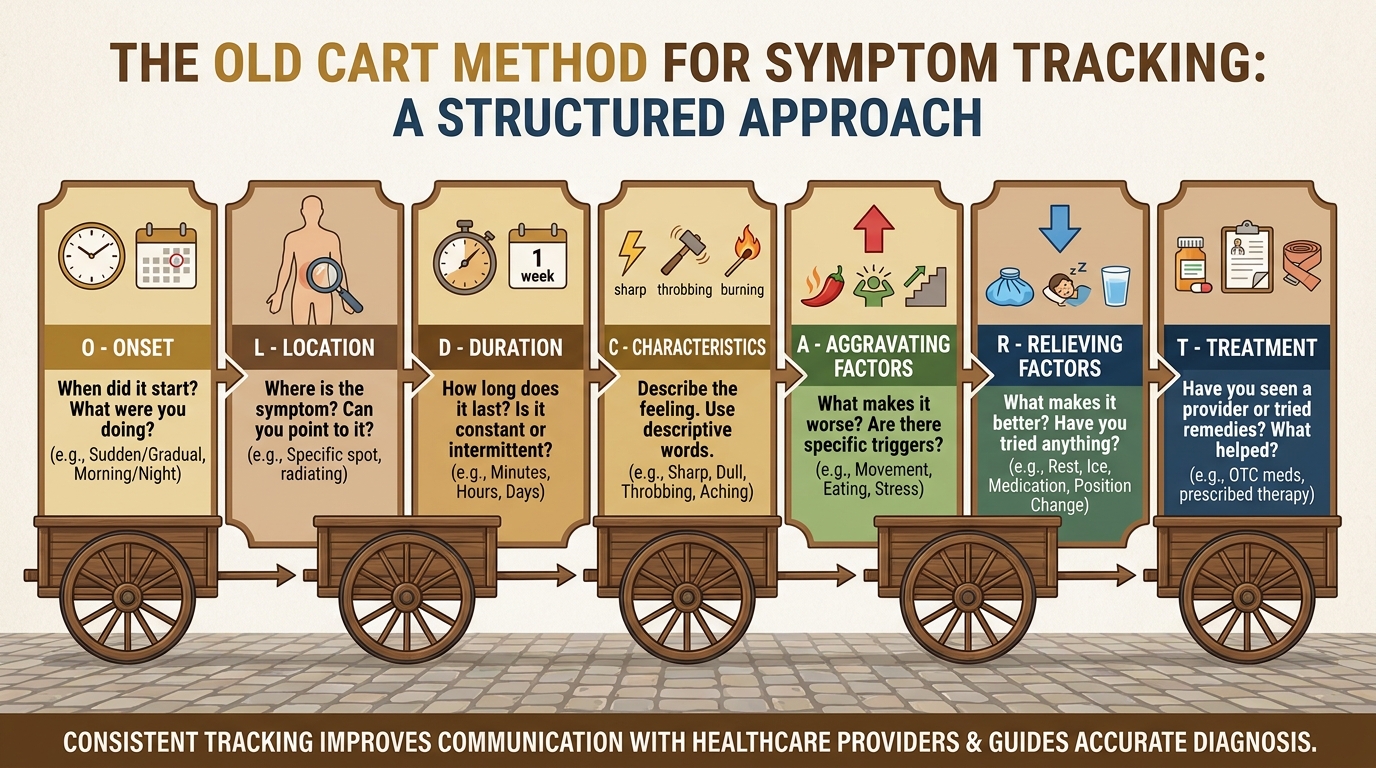
Understanding how to do a symptom tracker properly means adopting established medical acronyms. OLD CART (a clinical mnemonic for tracking symptom characteristics) stands for Onset, Location, Duration, Characteristics, Aggravating factors, Relieving factors, and Treatments. When logging your daily observations, use the 1-10 severity scale instructions to quantify pain accurately. A score of one represents negligible discomfort, while a ten indicates emergency-level pain requiring immediate intervention.
For example, if you experience a basic neuro-musculoskeletal complaint, document exactly when the joint stiffness started, how many minutes it lasted, and what specific physical movements aggravate it. Specifying whether lifting heavy objects worsens the pain provides critical context. Similarly, documenting relieving factors—such as resting with legs elevated—gives your doctor a clearer picture of the underlying mechanics. Recording previous treatments completes the clinical picture.
`
`
Choosing Analog vs. Digital Tools
Once you grasp the clinical metrics required, you must choose the appropriate medium to store this data. Selecting your tracking tools directly impacts how easily your physician can review the information. Physical journals offer simplicity and require zero technical knowledge, but compiling the data for a quick review can prove challenging during a brief clinic visit. Conversely, dedicated medical tracking applications automatically aggregate your daily entries into scannable formats.
If you use a digital application, export a 30-day severity graph and print a one-page summary before your consultation. Presenting a concise, single-page overview prevents overwhelming your doctor with excessive, unorganized daily notes. Physicians operate within strict time constraints, and a neatly printed graph immediately highlights upward or downward health trends. This efficient presentation format directly supports the framework by prioritizing objective data over emotional storytelling.
Step 1: Document Dental and Oral Health Symptoms
Logging grind teeth symptoms requires distinguishing between differing pain profiles. Pinpointing the exact origin of dental discomfort provides highly actionable clinical data. Dental symptom tracking isolates periodontal issues from muscular disorders, a critical distinction when over 40% of adults experience oral pain annually.
With over 40% of adults experiencing mouth pain annually (CDC, 2019) — distinguishing between muscular jaw pain and sharp nerve pain helps specialists diagnose issues accurately. For example, bruxism teeth grinding symptoms often present as dull morning aches, whereas nerve damage triggers sharp, immediate reactions to temperature.
Tracking Jaw Pain and Bruxism
Bruxism (the medical term for unconscious teeth grinding) generates distinct muscular discomfort. To accurately log sleep teeth grinding symptoms, record morning jaw stiffness, generalized facial tension, or instances where a partner observes your teeth grinding at night. Apply the OLD CART duration metric to track exactly how many hours this morning jaw pain lasts before subsiding. Documenting this specific duration helps your dentist determine the severity of your nocturnal muscle activity and whether a custom mouthguard is necessary.
Recognizing Nerve Damage Signs
While muscular pain requires one tracking approach, internal tooth pain indicates a different pathology entirely. Pulpitis (the inflammation of dental pulp tissue) presents vastly different characteristics than muscular grinding. The primary symptoms of pulpitis include sharp, localized pain and lingering sensitivity to cold or heat. When recording these episodes, emphasize the exact triggers for your physician. Note whether hot coffee or cold water initiates the sudden pain spike, and record how many minutes the throbbing continues.
Why Do My Teeth Hurt at Night?
Patients frequently notice that dental discomfort intensifies in the evening hours. When you lie down, increased blood flow to your head creates greater hydrostatic pressure inside the tooth, which often exacerbates inflammation associated with nerve damage. Documenting this specific nighttime intensity helps your dentist confirm internal tooth pathology rather than mere muscular tension from the jaw.
Step 2: Photograph Systemic Signs
Visual documentation remains a critical component of tracking health changes. Standardized imagery eliminates the ambiguity of verbal descriptions during specialist consultations. Photographic disease tracking establishes objective clinical baselines for the 30% of autoimmune patients who present with noticeable nail and hair abnormalities.
Because up to 30% of patients with specific autoimmune conditions present with nail abnormalities (StatPearls, 2023) — photographic tracking provides an objective clinical baseline that written logs cannot replicate. When addressing issues like hypothyroidism symptoms hair loss or vitamin d deficiency symptoms hair, visual timelines offer irrefutable evidence of disease progression, allowing physicians to compare current states directly against previous weeks.
Visual Indicators in Hair & Nails
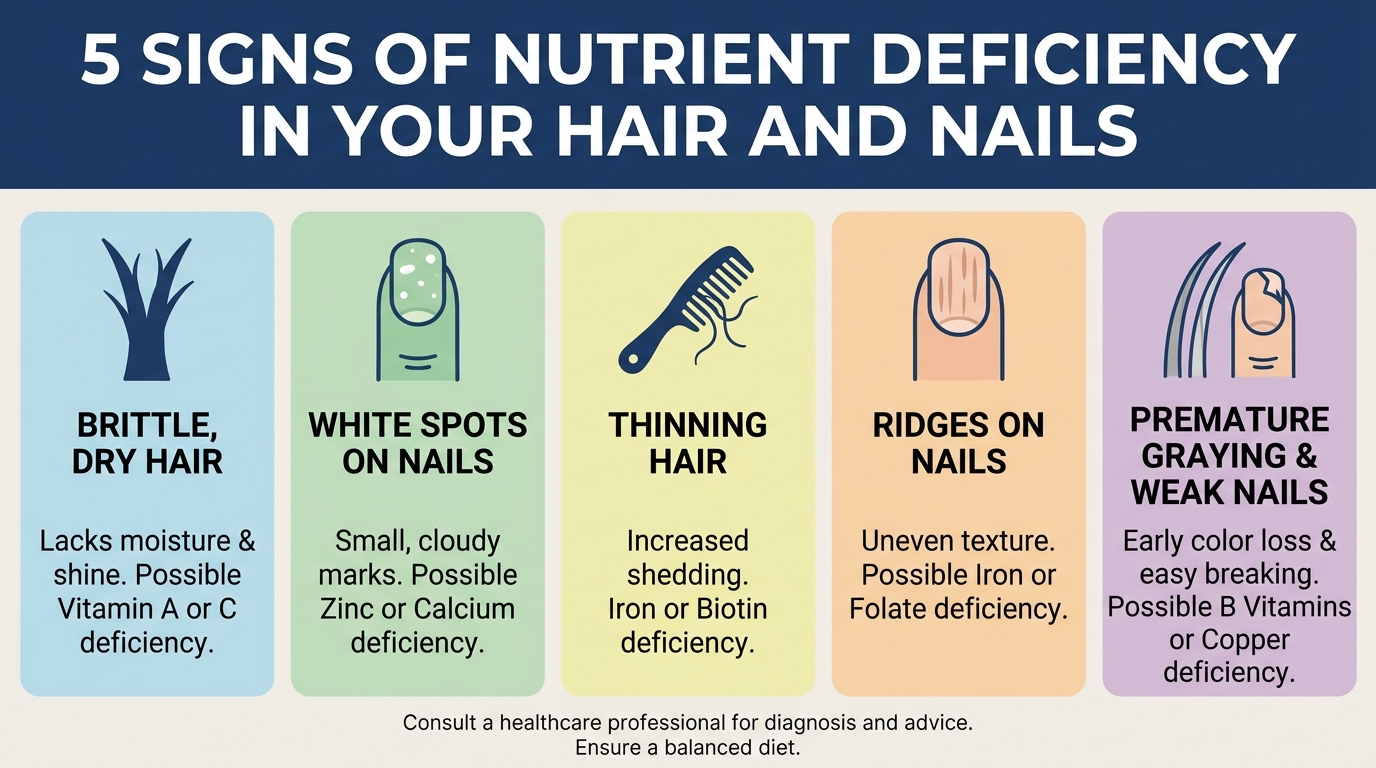
Systemic indicators (physical changes that reflect internal bodily health) require strict photographic standardization to serve as reliable medical evidence. Take your medical-grade photographs using consistent overhead lighting, at weekly intervals, and from identical fixed angles. This uniformity prevents shadows or lighting changes from mimicking false deteriorations. Apply this visual tracking method to calcium deficiency symptoms in nails by photographing brittleness, white spots, or unusual ridges.
`
`
How Often Should I Take Photos?
For most chronic hair or nail conditions, capturing images once a week is sufficient. Daily photos of slowly progressing changes often fail to show noticeable differences, making it harder for a doctor to assess the timeline accurately. Establish a consistent routine, such as taking photos every Sunday morning in the same well-lit room, to ensure your digital evidence remains clinically useful.
Step 3: Monitor Women’s Health Conditions
Tracking intermittent issues requires a focus on event frequency. Detailed frequency logs empower endocrinologists to map symptoms against standard physiological cycles. Episodic symptom logs empower endocrinologists to map neuro-inflammatory patterns for the 75% of women experiencing mid-life hormonal flashes.
Given that up to 75% of women experience hot flashes during perimenopause (Office on Women’s Health, 2022) — logging the exact duration and frequency of these episodic events allows clinicians to confidently identify hormonal patterns. Whether documenting lips numbness symptoms or sudden temperature fluctuations, precise timestamps help specialists determine treatment suitability.
Logging Episodic Health Changes
Episodic symptoms (health events that occur irregularly rather than constantly) demand rigorous chronological mapping. Log your night sweat menopause symptoms by recording the exact times of onset, the duration of the sweating phase, and environmental factors like room temperature. This level of detail distinguishes genuine hormonal flashes from environmental overheating.
Furthermore, note exactly what activities immediately preceded neurological symptoms like sudden lip numbness. In addition to tracking frequency, record any corresponding lifestyle factors such as caffeine intake or stress levels. Using a calendar view app to map these symptom clusters over a 30-day hormonal cycle reveals hidden patterns that standard daily notes miss, leading to more precise and personalized intervention strategies.
Step 4: Identify Cosmetic Complications
Following aesthetic procedures, patients must monitor healing timelines strictly. A structured approach to post-procedure observation dramatically reduces the risk of long-term scarring or tissue damage. Cosmetic complication monitoring prevents minor aesthetic reactions from escalating into severe systemic infections during the critical post-procedure healing window.
Monitoring acute post-procedure changes daily prevents minor aesthetic complications from escalating into systemic infections. Recognizing abnormal reactions quickly ensures patient safety and preserves functional outcomes while differentiating between typical recovery and dangerous physiological responses.
Tracking Adverse Aesthetic Reactions
Cosmetic complications (adverse reactions following aesthetic procedures) present early warning signs that require meticulous daily logging. Understand the standard healing timeline for your specific procedure to recognize abnormal systemic responses, such as botox sickness symptoms mimicking severe flu-like fatigue.
Track localized heat, excessive swelling, or rapidly spreading redness using daily photographs. For example, photographing an overworked tattoo daily allows you to monitor for expanding erythema (redness) that suggests infection. While meticulous tracking aids diagnosis, certain severe symptoms require patients to abandon their logs and seek immediate emergency care.
Common Pitfalls and Emergency Red Flags
Implementing a tracking system never supersedes acting on immediate danger. A symptom journal is meant for chronic or progressive issues, not active medical crises. Clinical consensus strongly indicates that delaying care to log severe, sudden-onset symptoms drastically increases mortality risks. Medical red flags require immediate emergency care rather than journal documentation to prevent acute neurological or cardiovascular deterioration.
Recognizing Medical Red Flags
Three specific red flags require immediate emergency intervention rather than documentation. First, sudden severe unilateral headaches—especially those described as the worst headache of your life—suggest neurological emergencies like hemorrhages. Second, sudden localized bodily weakness or facial drooping indicates potential acute stroke. Third, sudden unexplained vision loss or severe balance issues require immediate ophthalmological or neurological triage. These events are highly dangerous. Stop tracking immediately, call emergency services, and seek emergency medical care.
When to Bypass Symptom Tracking
Do-it-yourself tracking becomes dangerous when it delays necessary interventions for acute, life-threatening conditions. Suspected cardiac events, severe sudden-onset shortness of breath, and acute stroke symptoms demand immediate evaluation by emergency medical personnel, not a written journal entry. Relying on an app during an active medical crisis jeopardizes patient safety. Understanding this distinction is a core part of the framework. For non-emergency, chronic issues you have successfully tracked, the final step involves connecting with the right specialist.
Step 5: Book Your Specialist Appointment
With your Evidence-Led Patient Framework data compiled, scheduling care becomes highly efficient. Arriving at the booking stage with organized data drastically reduces administrative friction and minimizes frustrating referral loops. Structured symptom data expedites clinic booking by ensuring triage nurses route complex cases to the appropriate specialist department immediately.
Because structured pre-visit data collection saves critical physician evaluation time (AMA, 2023) — preparing structured symptom data prior to scheduling ensures patients are routed to the correct specialist department on their first visit. This data clarity expedites the overall booking process.
Finding Virtual or In-Person Care
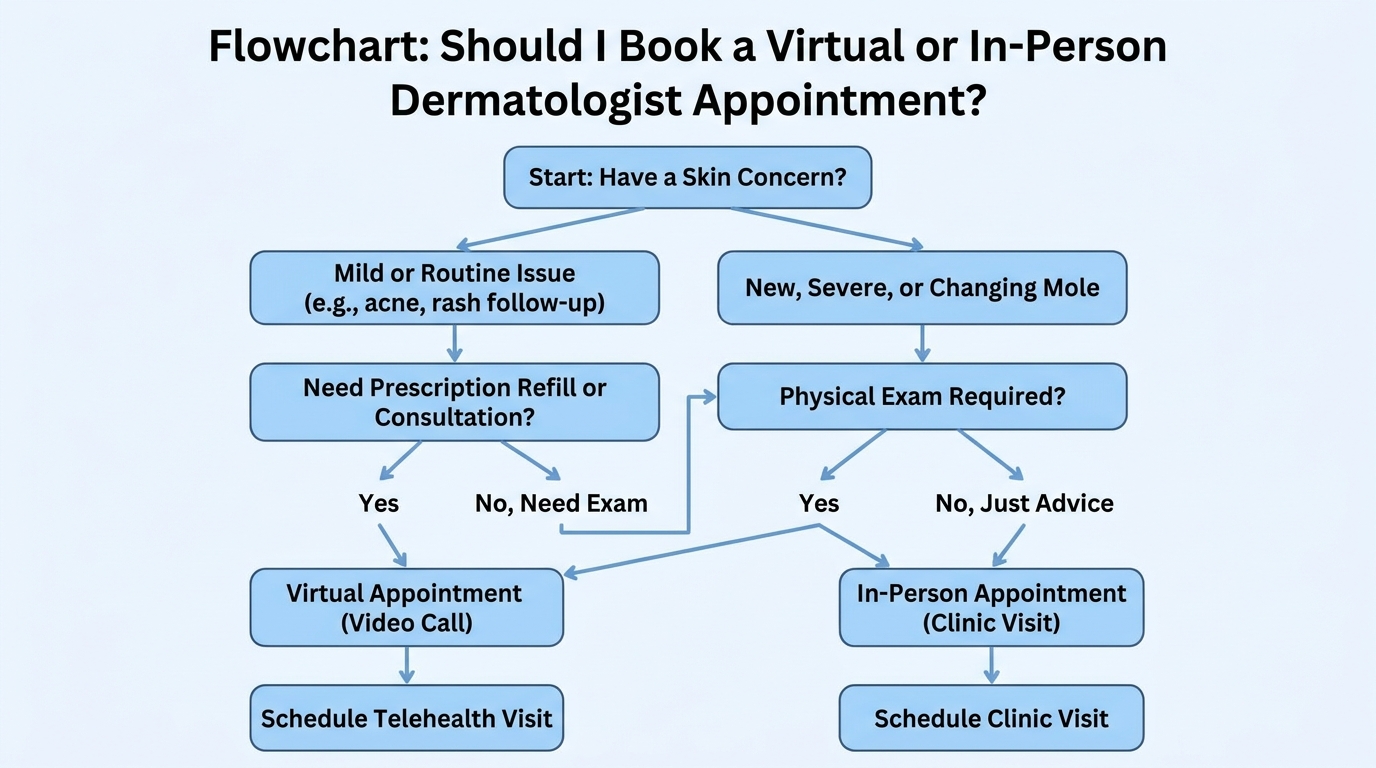
Telemedicine (the remote diagnosis and treatment of patients) offers convenient initial triage for visually apparent conditions. When scheduling a virtual dermatologist appointment, transcribe your OLD CART data precisely into the limited text boxes found on digital intake forms. Upload your photographic evidence of nail or hair changes directly into the secure patient portal prior to the consultation.
When navigating complex healthcare systems, having this pre-organized data ready allows triage nurses to accurately assess your urgency. Decide between telehealth consultations versus in-person assessments based on physical manipulation requirements; if your joint pain requires physical palpation or immediate clinical testing, bypass virtual options and book an in-person visit.
`
`
Frequently Asked Questions
What is the best way to track symptoms?
The best way to track symptoms is by using the OLD CART clinical framework to document objective health data. This method records onset, location, duration, characteristics, aggravating factors, relieving factors, and previous treatments. Utilizing a 1-10 severity scale standardizes pain reporting effectively. A physical journal or digital app works equally well depending on your preference. Consult a clinician to interpret the collected data and guide your next steps.
What phrases will get a doctor’s attention?
Clinicians prioritize objective, time-bound functional descriptions over emotional adjectives. Highlighting sudden changes in baseline function or specific triggers accelerates medical triaging. Precise anatomical locations also improve diagnostic clarity during your evaluation.
What are medical red flags to never ignore?
Neurological red flags include sudden unilateral weakness, severe sudden-onset headaches, and unexplained loss of vision or balance. These indicators suggest acute cardiovascular or neurological events rather than chronic conditions. Experiencing these necessitates immediately bypassing symptom tracking protocols. Seek emergency medical care rather than scheduling a future specialist appointment. Patient safety remains the absolute priority in all scenarios.
Conclusion
For patients facing unexplained health changes, tracking symptoms delivers objective clinical clarity. Structured tracking reduces diagnostic delays by providing physicians with objective timelines rather than subjective recall. The best approach combines the OLD CART method, visual evidence gathering, and organized appointment preparation to ensure accurate medical assessments.
Adopting the Evidence-Led Patient Framework transforms the anxiety of medical appointments into a structured, proactive process. By organizing your health data into functional, measurable outcomes, you empower your physician to make informed suitability assessments regarding your overall care and quality of life.
This article is for educational purposes only and does not replace consultation with a qualified medical professional. Use these tools to monitor your health, and present your findings directly to your specialist.