

How to Treat Insomnia and Chronic Pain: Clinical Guide
For many adults, the most frustrating aspect of chronic discomfort isn’t just the daytime physical toll—it is the agonizing cycle of pain keeping you awake, and the resulting sleep deprivation making the pain worse the next day. Lacking a clear clinical diagnosis leaves patients anxious, exhausted, and unsure which medical specialist to consult.
By the end of this guide, you will understand insomnia, pain, and chronic disease: what to discuss clinically, allowing you to have productive, evidence-based conversations with your healthcare provider. We break down pain mechanics, the bidirectional sleep-pain loop, and specific symptom diagnostics to prepare you for your next medical appointment.
Key Takeaways
When evaluating insomnia, pain, and chronic disease clinically, physicians look at the self-perpetuating loop between nervous system arousal and physical distress. Adults getting less than 7 hours of sleep report 34% higher rates of chronic pain (CDC).
- The Bidirectional Sleep-Pain Framework: Treats sleep disruption and pain as an interconnected loop.
- Targeted Therapy: CBT-I serves as the gold standard intervention for breaking insomnia cycles.
- Anatomical Mapping: Helps specialists distinguish between muscular discomfort and internal organ issues.
- Consultation Prep: Symptom diaries improve specialist referrals to rheumatology or neurology.
The Mechanics of Pain and Sleep
Acute pain acts as an immediate warning system for tissue damage, whereas phantom pain occurs when the brain misinterprets nerve signals from an area that no longer has sensory input. Understanding these classifications helps specialists determine if your sleep disruptions stem from structural damage or central nervous system misfires.
Acute vs. Phantom Pain Explained
Acute pain is your body’s short-term alarm system, signaling that structural damage like a cut or sprain has occurred. It generally subsides once the tissue heals. In contrast, phantom pain involves neurological misfires where the brain registers distress from an amputated limb or healed injury. According to medical guidelines on the clinical differentiation of neuropathic pain signals, neuropathic distress requires specialized clinical treatments rather than standard anti-inflammatories (NINDS, 2023). While neurological signals disrupt your sleep architecture, the physical stress of this pain also triggers systemic bodily reactions.
Does Pain Raise Blood Pressure?
Severe pain triggers your sympathetic nervous system, initiating a natural fight-or-flight response. When this happens, blood vessels constrict and heart rate increases, which temporarily spikes your blood pressure. Clinical evidence demonstrates that this is a normal, expected physiological response to physical distress, not necessarily an indicator of a developing heart condition. Tracking these nighttime blood pressure fluctuations alongside your discomfort levels provides valuable diagnostic data for your physician.
The Bidirectional Sleep-Pain Framework
Chronic pain is defined as persistent physical distress lasting longer than three to six months, often fundamentally altering how the nervous system processes signals. Within The Bidirectional Sleep-Pain Framework, clinical research shows that sleep deprivation impairs the brain’s pain-inhibition pathways, meaning a lack of sleep actively makes your body feel more physical pain.
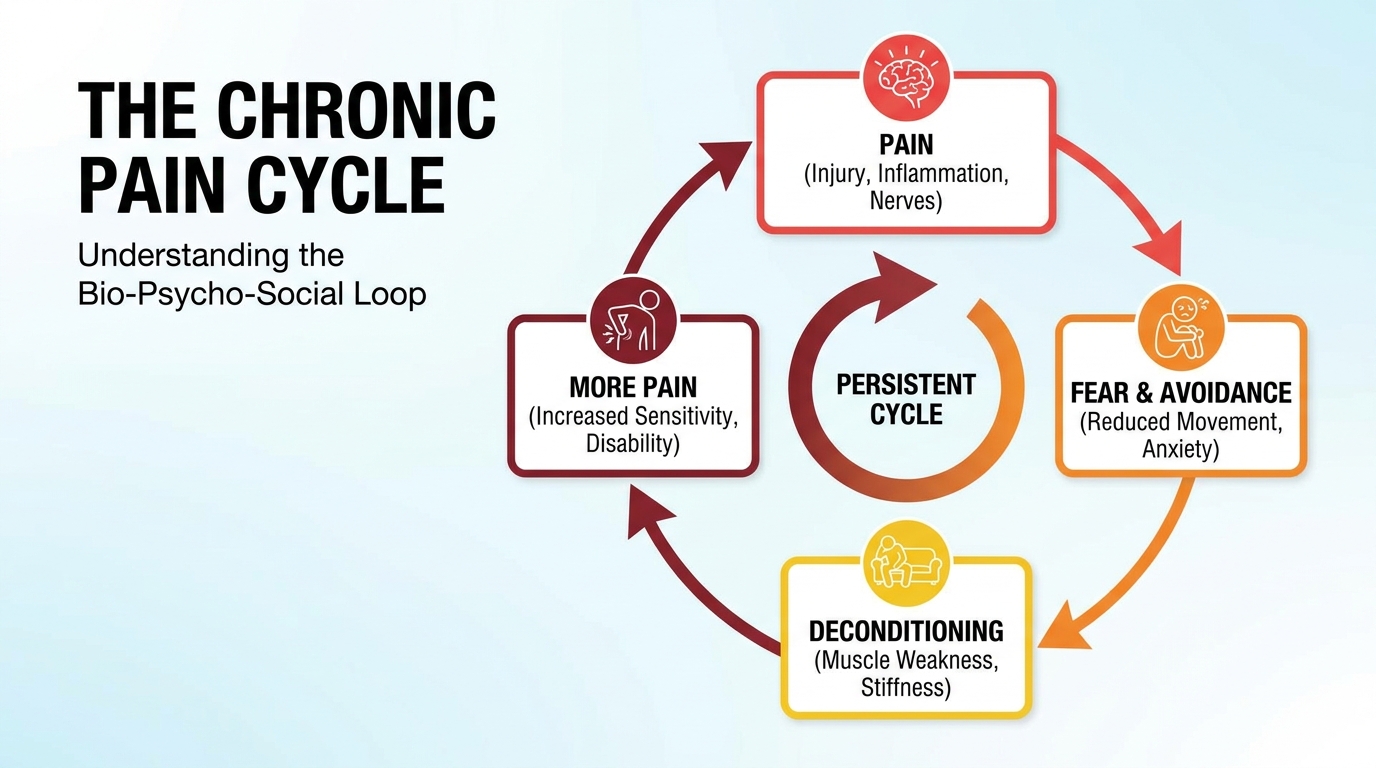
Caption: The Bidirectional Sleep-Pain Framework illustrates how sleep loss and nervous system arousal continuously amplify physical discomfort.
Breaking the Insomnia Loop with CBT-I
The Bidirectional Sleep-Pain Framework requires interventions that target both ends of the cycle simultaneously. Cognitive Behavioral Therapy for Insomnia (CBT-I) has emerged as the premier clinical intervention for this loop. CBT-I addresses the psychological anxiety of not sleeping, which in turn lowers overall physiological tension across the body. Clinical data supports gold standard CBT-I protocols for chronic pain, demonstrating that this therapy effectively breaks the self-perpetuating cycle of anxiety, sleep loss, and amplified chronic pain (Department of Veterans Affairs, 2023).
Preparing for Your Clinical Assessment
Successfully applying this framework requires organized communication with your medical provider. When preparing for an appointment, track three specific metrics: your exact sleep duration, daily pain intensity on a 1-to-10 scale, and specific flare-up triggers. This data helps your physician determine your suitability for a neurology, rheumatology, or autoimmune review. Set realistic expectations for your assessment. Medical management often prioritizes functional improvement and overall quality of life rather than immediate, complete symptom resolution.
Identifying Neurological & Systemic Drivers
Systemic chronic diseases, including neurodegenerative conditions and wide-spread pain syndromes, require specialized diagnostic approaches to manage. Conditions like Alzheimer’s disease or Meniere’s disease create secondary sleep disturbances through immobility, neuroinflammation, or severe vertigo, requiring a holistic clinical management strategy to ensure proper rest.
Fibromyalgia and Systemic Fatigue
Fibromyalgia is a real, documented disease characterized by widespread musculoskeletal distress and debilitating fatigue. It acts as a central nervous system processing error, causing the brain to overreact to normal sensory inputs. Analyzing the central nervous system processing in fibromyalgia patients reveals that the disorder affects how the brain and spinal cord process pain and nonpain signals (Mayo Clinic). Beyond widespread syndromes, specific neurological disorders also disrupt restorative rest significantly.
Meniere’s and Neurodegenerative Conditions
Specific neurodegenerative conditions interrupt sleep through unique mechanisms. Meniere’s disease, a disorder of the inner ear, causes severe vertigo and ringing in the ears, making it physically difficult to lie flat. Similarly, advanced conditions like Alzheimer’s disease alter the brain’s circadian rhythms, confusing the internal clock and causing nighttime restlessness. While rare conditions like prion disease operate differently, all neurodegenerative issues require clinicians to treat the underlying neurological driver rather than just prescribing sleeping pills.
Managing Back, Hip, and Sciatica Discomfort
Alleviating lower back pain and sciatica requires addressing spinal alignment and nerve compression, particularly during the restorative hours of sleep. Because lumbar discomfort is a leading global cause of disability, clinicians prioritize ergonomic interventions and specific sleep postures to prevent muscle spasms from keeping patients awake.
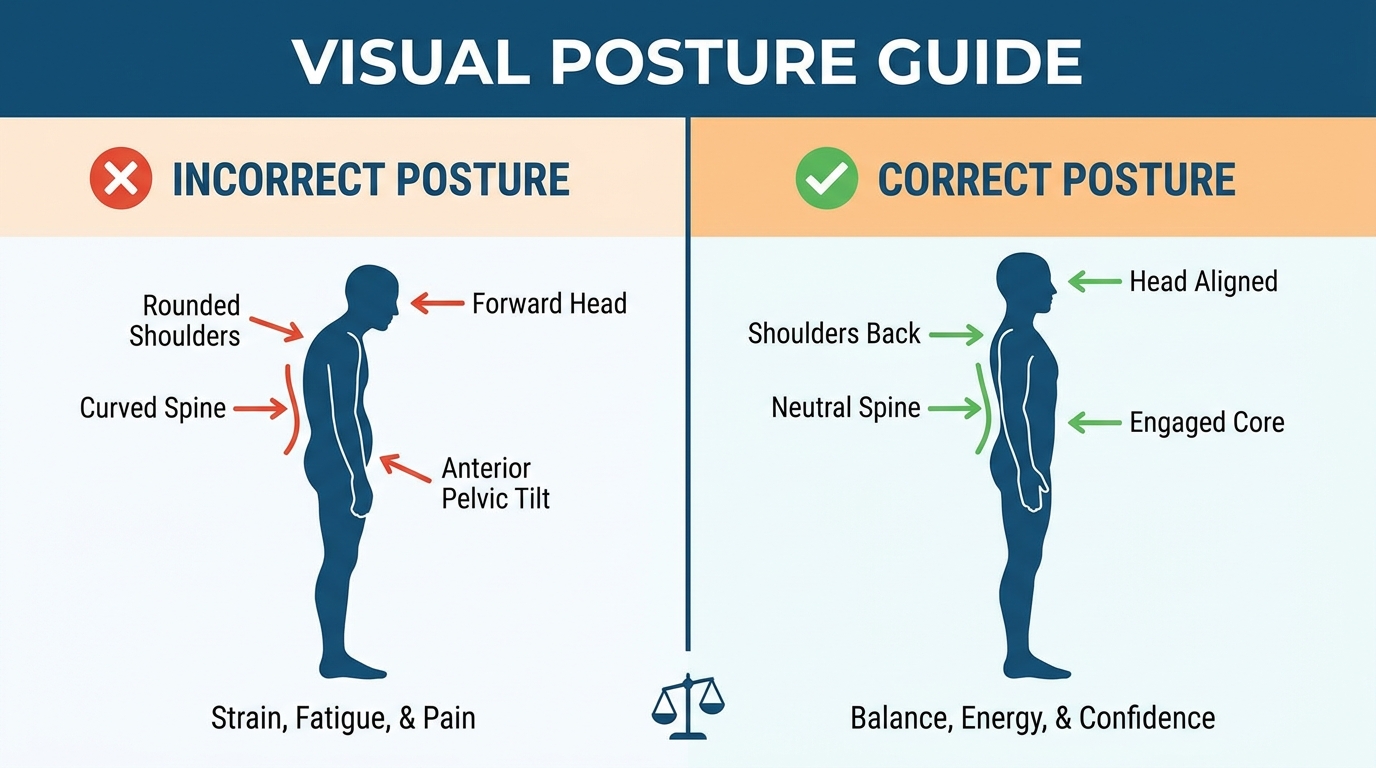
Caption: Proper spinal alignment during sleep reduces pressure on the sciatic nerve and lumbar discs.
Immediate Sciatica Relief Strategies
Sciatica occurs when the sciatic nerve becomes compressed. Unlike a dull, muscular backache, sciatica presents as a sharp, electric pain radiating down the leg. Gentle, clinician-approved decompression stretches before bed can temporarily relieve this nerve pressure. Medical research identifies lower back issues as a global leading cause of disability and secondary sleep disturbances (WHO). To maintain this immediate relief overnight, securing proper spinal alignment in bed is absolutely critical.
Sleep Postures for Lumbar Support
Your sleeping posture dictates whether your spine heals or strains overnight. If you sleep on your side, place a firm pillow between your knees to keep your hips aligned and prevent your upper leg from pulling your spine out of position. If you sleep on your back, place a medium-loft pillow directly under your knees. This slight elevation flattens your lower back against the mattress, removing excess pressure from your lumbar discs.
Resolving Neck, Head, and Jaw Tension
Neck pain after sleeping is frequently caused by improper cervical spine support, leading to muscle strain and localized tension headaches. Furthermore, systemic inflammation and neuroinflammatory markers act as biochemical bridges that exacerbate both sleep fragmentation and hyperalgesia in the head and neck.
Correcting Sleep Ergonomics and TMJ
Waking up with one-sided neck pain typically indicates that your pillow loft is forcing your cervical spine to bend unnaturally. Adjusting your pillow to keep your head neutral aligned with your spine prevents this morning stiffness. Additionally, temporomandibular joint (TMJ) pain is frequently caused by nighttime teeth grinding, known as bruxism. Studies analyzing neuroinflammatory markers linking sleep fragmentation and pain confirm that systemic inflammation acts as a bridge worsening both conditions (PubMed, 2018). Discussing a custom night guard with your dental specialist offers substantial structural relief.
Gastrointestinal and Abdominal Referred Pain
Referred pain occurs when nerve networks cross, meaning that severe gas, bloating, or constipation can physically manifest as intense lower back pain. Poor sleep quality correlates strongly with chronic health conditions, including functional gastrointestinal disorders that disrupt nightly rest through immense physical pressure.
How Gut Issues Refer Pain to the Back
Referred pain is a phenomenon where your brain feels distress in an area completely different from the actual injury site. When your intestines experience severe gas buildup or severe constipation, the resulting internal pressure presses against the nerves located in the rear of your abdominal cavity. Evaluating CDC data on sleep duration and chronic health conditions shows that adults getting less than 7 hours of sleep are significantly more likely to report chronic health conditions (CDC). Additionally, female-specific reproductive issues, such as ovulation complications, cause lower abdominal pain that regularly interrupts sleep cycles.
Organ Diagnostics vs. Musculoskeletal Pain
Organ pain generally presents as a deep, radiating ache that is unaffected by shifting positions, unlike musculoskeletal pain which changes based on your movement. Pinpointing exact anatomical locations helps clinicians rule out medical emergencies versus standard structural soreness, allowing for accurate clinical treatments.
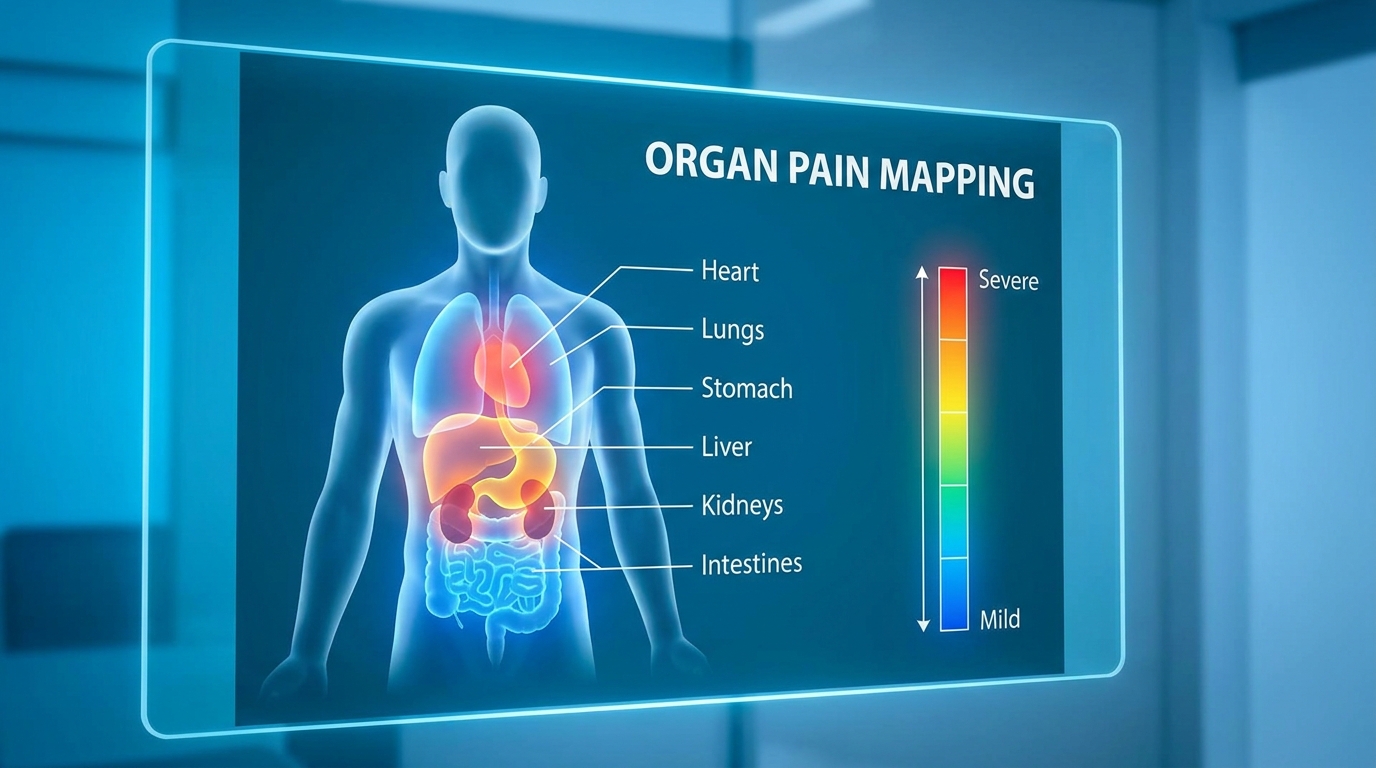
Caption: Differentiating between surface muscular pain and deep internal organ distress is crucial for accurate medical diagnosis.
Locating Kidney and Gallbladder Pain
Understanding anatomical pain mapping helps you provide clear descriptions to your doctor. Kidney pain is typically felt in the flank area—the sides of your back just below your ribs—and often radiates sharply down into the groin. Conversely, gallbladder and liver pain usually manifest in the upper right section of your abdomen. Reviewing the anatomical differentiation between kidney and lower back pain shows that genuine kidney distress radiates deeply and consistently (NIDDK). Adjusting your sleep position will not relieve true internal organ pain.
Psychological Factors: Chest and Stress Pain
Severe psychological stress and anxiety can manifest physically as sharp chest wall pain and restricted breathing, closely mimicking serious cardiac events. Sleep deprivation impairs descending pain-inhibition pathways, meaning a tired, anxious brain perceives normal physical sensations as acute, overwhelming physical threats.
Recognizing Anxiety-Induced Chest Tension
Panic attacks trigger severe muscular contractions across your upper body. These episodes tighten your intercostal muscles, causing sharp, restrictive chest pain every time you attempt to breathe deeply. This physical reaction is directly linked to chronic stress, which elevates cortisol levels and degrades sleep architecture. Clinical studies on impaired pain-inhibition pathways due to sleep loss demonstrate that sleep deprivation directly increases vulnerability to chronic conditions (NIH, 2017). When anxiety prevents sleep, physical chest tension inevitably follows.
Limitations, Red Flags, and When to Seek Emergency Help
While managing chronic discomfort through clinical frameworks provides long-term relief, some severe physical symptoms require immediate emergency intervention rather than routine outpatient management. Understanding the boundaries of self-care protects patients from dangerous misdiagnoses.
Common Pitfalls When Self-Diagnosing Pain
The most dangerous pitfall in managing physical distress is assuming deep flank discomfort is just a pulled back muscle from poor sleep posture. This assumption often delays critical treatment for severe kidney stones or internal infections. If your back or flank pain is suddenly accompanied by a high fever, severe nausea, vomiting, or visible blood in your urine, you must seek clinical medical care immediately. Home sleep remedies cannot resolve acute internal infections.
When to Seek Expert Emergency Help
Certain pain signals indicate life-threatening events that bypass standard clinical consultations. Explicit cardiac red flags include heavy chest pain that radiates specifically to the left arm or jaw, coupled with shortness of breath entirely unrelated to an anxiety attack. Additionally, a sudden, blindingly severe head pain requires instant neurological evaluation in an emergency room. Never assume that new, unprecedented chest pain is just psychological stress without a physician definitively ruling out cardiac events.
Frequently Asked Questions
Is Fibromyalgia a real disease?
Yes, Fibromyalgia is a recognized, verifiable medical disease affecting the central nervous system. It fundamentally alters how the brain and spinal cord process both pain and nonpain signals, causing heightened sensitivity, chronic fatigue, and severe disruptions to nightly sleep architecture. Clinical diagnostics categorize it as a complex neurological processing disorder rather than a standard structural muscle issue. Discuss central sensitization therapies with your rheumatologist for targeted management strategies.
How do I prepare for a chronic pain consultation?
To prepare for a chronic pain consultation, create a structured 14-day symptom diary tracking your nightly sleep hours, pain intensity on a 1-to-10 scale, and specific activities that consistently trigger flare-ups. Bring all previous imaging reports, blood test results, and an updated list of your current medications. Setting realistic functional goals rather than demanding immediate resolution helps physicians build a sustainable treatment framework.
Can chronic pain cause insomnia?
Yes, chronic physical pain directly causes insomnia by keeping the central nervous system in a continuous state of heightened arousal. Severe physical discomfort prevents the body from smoothly transitioning into the deep, restorative stages of nightly sleep. Furthermore, the resulting sleep deprivation severely lowers your physiological pain threshold the following day. This dynamic creates a vicious, self-perpetuating cycle where bodily distress disrupts restorative sleep, and poor sleep drastically amplifies perceived discomfort. Breaking this loop requires simultaneous targeted interventions.
Does anxiety make physical pain worse?
Yes, severe anxiety significantly amplifies physical pain by altering brain chemistry and dramatically increasing involuntary muscle tension. High psychological stress triggers immense cortisol release, leading to systemic inflammation and a noticeably lower physical tolerance for discomfort. Panic responses also cause intense physical tightening of the chest wall and neck muscles, creating painful secondary tension points. Treating underlying anxiety through cognitive therapy is a foundational clinical protocol in comprehensive discomfort management.
Conclusion
For patients navigating complex physical symptoms, addressing insomnia and chronic pain clinically requires treating both issues simultaneously. Adults getting less than seven hours of sleep face a 34% higher risk of chronic physical distress (CDC). The safest, most effective approach combines precise anatomical diagnostics, behavioral sleep hygiene interventions, and targeted referrals to qualified medical specialists.
The Bidirectional Sleep-Pain Framework proves that sleep loss and physical distress are not isolated events but two halves of a single biological cycle. Understanding this integrated neurological loop empowers patients to move past frustration. It provides the necessary medical vocabulary to have objective, data-driven conversations with your dedicated healthcare teams.
Start by compiling your detailed 14-day symptom and sleep diary immediately. Once your data is organized, schedule a formal consultation with a neurologist or rheumatologist to review your functional baselines. Always consult a qualified medical professional before attempting to implement any new physical therapy or behavioral sleep intervention.