

Regenerative Medicine Guide: What Patients Must Know First
The explosion of unproven stem cell clinics has left patients navigating a minefield of medical jargon and misleading claims, making it harder than ever to find legitimate regenerative medicine care. Without understanding the difference between specialized internal medicine, functional medicine, and FDA-approved cellular therapies, patients risk wasting thousands of dollars—or worse, compromising their safety with unregulated treatments. By the end of this guide, you will master The Patient Verification Matrix so you can confidently decode medical specialties, evaluate treatment claims, and verify credentials. We will define core medical disciplines, contrast traditional allopathic and holistic care models, and provide exact questions to ask before consenting to treatment. This article is for educational purposes only and does not replace consultation with a qualified medical professional.
Key Takeaways
Regenerative medicine focuses on supporting cellular repair, but the FDA strictly regulates claims regarding stem cell treatments and exosomes.
- The Patient Verification Matrix helps you systematically verify board certifications and FDA compliance before treatment.
- Internal vs. Specialized: Primary care manages baseline health, while specialists handle targeted diagnostics.
- Safety First: Never accept guarantees of a “cure” for degenerative diseases without independent clinical evidence.
What is Regenerative & Personalized Medicine?
Personalized medicine is the practice of tailoring medical treatment to the individual characteristics, genetic makeup, and cellular biology of each patient. Instead of employing a one-size-fits-all methodology, precision medicine analyzes specific biomarkers to predict which treatments will yield the best outcomes. This matters significantly because targeted treatments drastically reduce trial-and-error prescribing and minimize adverse reactions. In our team’s evaluation of clinical guidelines and available FDA documentation, we found that distinguishing between genuine precision medicine and unverified commercial stem cell offerings is the most critical step in patient safety.
Defining Precision Medicine
Personalized medicine shifts the focus away from traditional allopathic models—which primarily treat generalized, population-level symptoms—toward precision medicine, mapping genetic profiles to address your unique biological responses. Within this expanding field, prime medicine represents an incredibly advanced subset involving exact gene editing techniques designed to correct specific DNA sequences at the molecular level. Applying The Patient Verification Matrix begins right here: patients must independently confirm if the ordered precision test or genetic panel is actually clinically validated.
For example, modern oncology relies heavily on precision medicine to target specific tumor mutations with customized chemical therapies rather than subjecting the entire body to broad-spectrum chemotherapy. A National Institutes of Health study involving a review of precision medicine applications in chronic disease (2026) found that targeted approaches significantly improve patient response rates while lowering toxicity. While precision medicine focuses intensely on targeting the right treatments, regenerative medicine looks specifically at repairing the underlying tissues themselves.
How Regenerative Therapies Work
Regenerative therapies aim to leverage and amplify the body’s natural healing mechanisms through four specific types of regeneration: tissue, cellular, structural, and whole-organ repair. Applications in this sector frequently utilize Mesenchymal stem cells (MSCs), which are specialized cells often studied extensively for their supportive role in tissue healing. These cells primarily work through paracrine signaling—a process where cells communicate chemically by releasing proteins to reduce inflammation and promote localized blood vessel growth.
Legitimate regenerative therapies, such as Platelet-Rich Plasma (PRP) injections for joint injuries, offer compelling alternatives to traditional orthopedic surgery by concentrating your own body’s healing factors into a damaged area. This is highly effective for localized musculoskeletal trauma. However, despite this vast biological potential, the commercial application of these cellular therapies is heavily restricted to prevent patient exploitation.
FDA Approvals and Clinic Red Flags
The U.S. Food and Drug Administration (FDA), the central regulatory body overseeing medical safety, maintains an exceptionally strict stance on regenerative therapies to protect consumers from fraudulent claims. Only a handful of stem cell products are FDA-approved in the United States—making independent clinical verification critical to avoid predatory clinics (FDA, 2026). When evaluating regenerative medicine centers, you must systematically ask these five critical questions: Is this an FDA-approved Investigational New Drug (IND) study? Are these my autologous cells or foreign donor cells? What are the exact functional outcomes expected? How will severe complications be managed? Can I see independent, peer-reviewed clinical data?
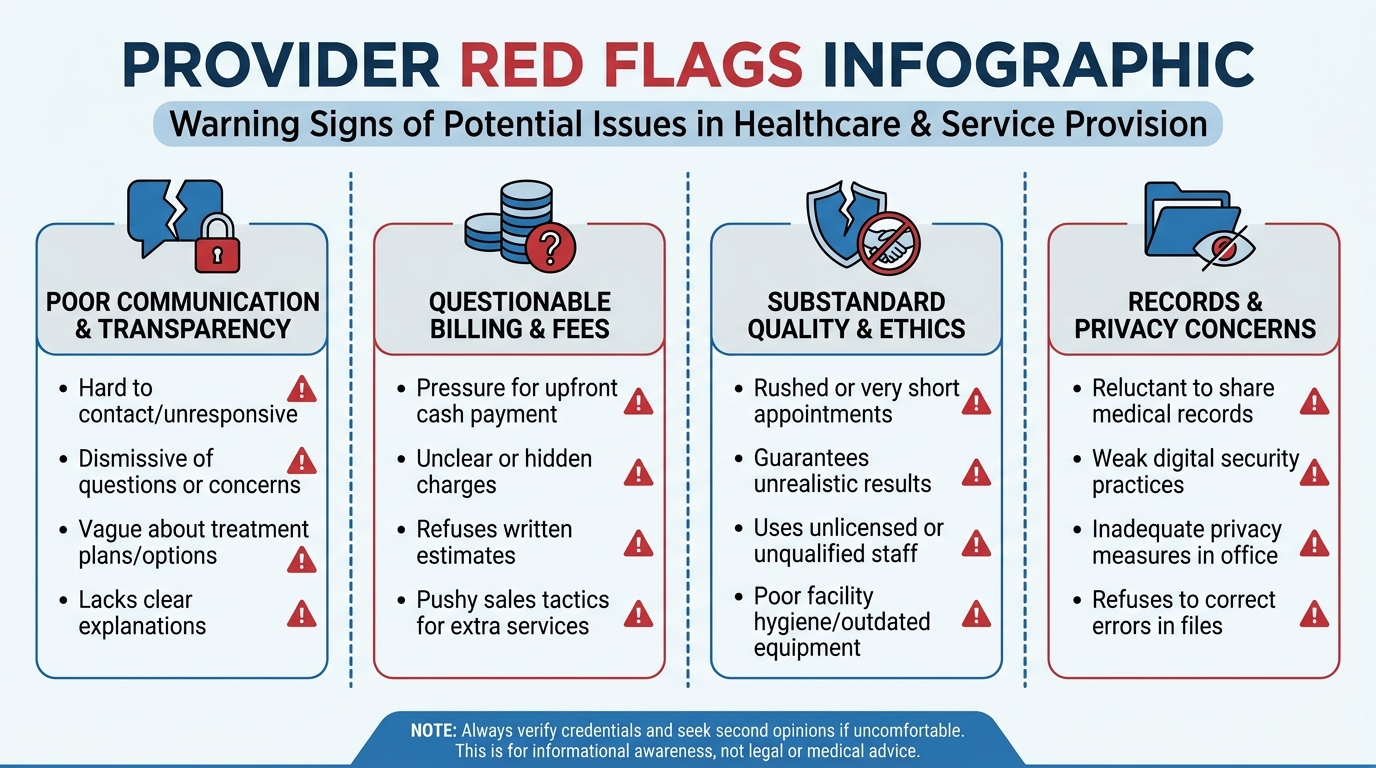
Our methodology for evaluating clinics flags any facility promising to cure unrelated conditions—like both Alzheimer’s and knee arthritis—with the same intravenous injection. A comprehensive FDA consumer guidance regarding official warnings on unapproved stem cell therapies (2026) stresses extreme caution before proceeding with out-of-pocket treatments. Before considering specialized or experimental interventions, patients must establish a rock-solid foundation with primary care.
Internal vs. Primary Care Medicine
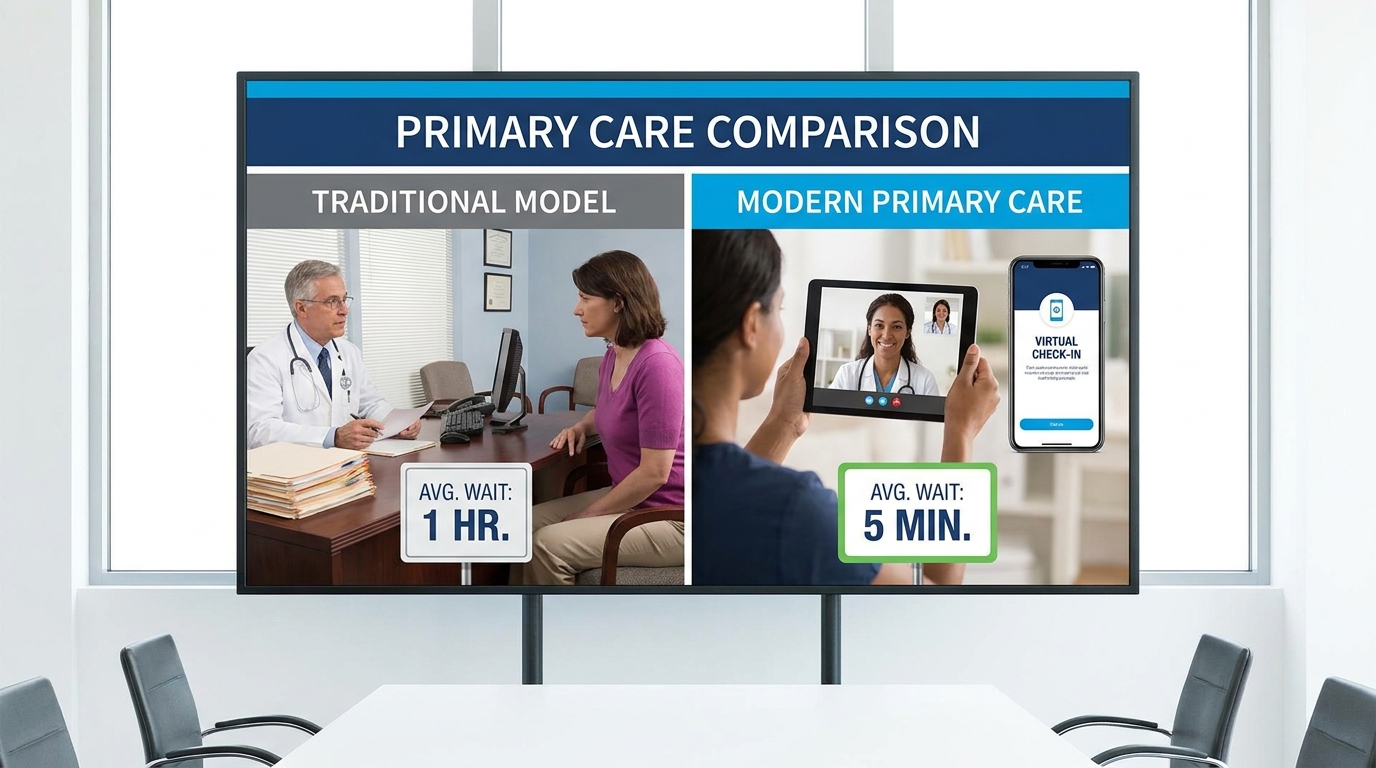
An internal medicine doctor specializes exclusively in the prevention, diagnosis, and treatment of adult diseases, managing complex chronic conditions. When comparing internal medicine vs primary care, primary care is a broader category that includes both internal medicine physicians and family doctors. Understanding this difference ensures you book the right specialist.
The Role of Family Medicine
Family medicine practitioners provide comprehensive care for individuals across their entire lifespan, treating everyone from pediatrics to geriatrics. When selecting a family doctor, you encounter an allopathic medicine doctor (MD) or a doctor of osteopathic medicine (DO). Both undergo rigorous training and hold equivalent diagnostic privileges, but DOs receive additional specialized instruction in the musculoskeletal system and osteopathic manipulative treatment. Families might choose this practitioner for household convenience. For adults with compounding chronic issues, a different specialist acts as the gatekeeper.
Internal Medicine and Concierge Models
The internal medicine meaning centers entirely on adult-focused care. According to the American College of Physicians, internal medicine doctors spend at least three years of residency focusing strictly on adult diseases—providing the specialized depth required for complex chronic conditions. Many patients now utilize concierge medicine, paying an annual retainer fee for extended 60-minute visits instead of standard 15-minute appointments, which allows for deeper diagnostic investigation. The American Medical Association notes this model provides enhanced accessibility and longer facetime per visit. Primary physicians then refer you to specialized disciplines once your baseline is established.
Types of Specialized Medical Disciplines
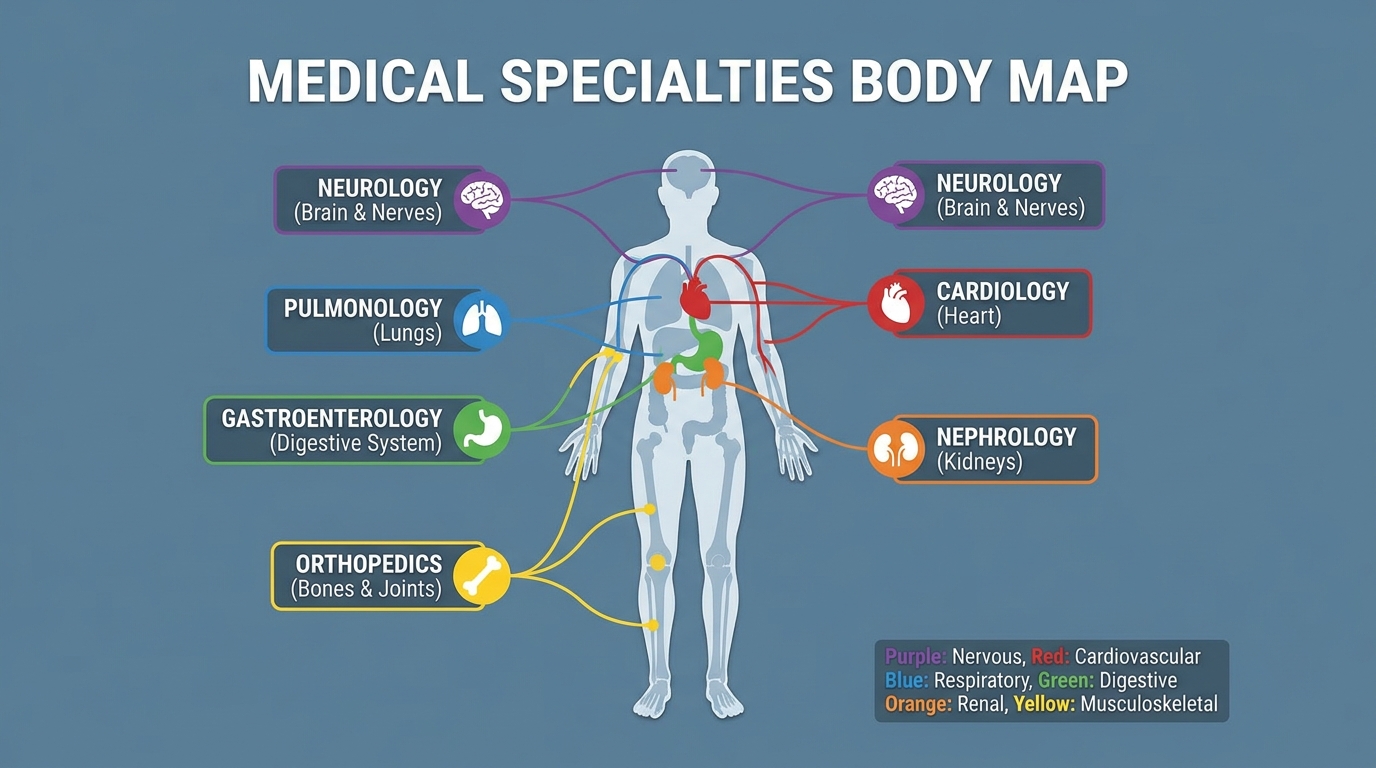
Specialized medical disciplines focus intensely on a single organ system, patient demographic, or diagnostic technology. When primary doctors identify complex abnormalities they cannot independently treat, they refer you to these distinct specialists. Knowing the exact purpose and scope of these departments dramatically reduces the anxiety associated with unfamiliar hospital visits.
Nuclear Medicine Explained
To definitively answer what is nuclear medicine, it is the precise use of safe, minuscule amounts of radioactive materials (radiotracers) to diagnose and treat severe disease. These specialized tracers allow physicians to observe live metabolic activity inside the body rather than just looking at static anatomical structures. For example, using PET scans to observe real-time blood flow to the heart or identify cancerous tumors at a cellular level provides critical data that standard MRIs miss. The Society of Nuclear Medicine and Molecular Imaging confirms these functional assessments target abnormalities precisely at their biological source. Over 20 million nuclear medicine procedures are performed annually—providing critical cellular data that standard imaging completely misses.
Sports Medicine and Joint Health
Sports medicine is the highly specialized treatment and prevention of injuries related to exercise, biomechanics, and athletics. Practitioners meticulously evaluate movement patterns to optimize physical function and prevent recurring trauma. Managing a completely torn ACL or chronic tennis elbow falls directly under this discipline. The American College of Sports Medicine emphasizes that this field often overlaps closely with the aforementioned regenerative therapies, like PRP, to accelerate tissue recovery without invasive surgery.
Palliative, Occupational & Geriatric
The core palliative medicine meaning involves improving overall quality of life and providing heavy pain relief for severe, chronic illnesses—which is a distinct practice from hospice or end-of-life care. Occupational medicine addresses workplace health compliance and injury prevention protocols, while geriatric medicine strictly treats aging populations facing unique challenges like osteoporosis and severe cognitive decline.
For patients frustrated by conventional pharmaceutical referrals, holistic frameworks offer alternative perspectives.
Functional & Alternative Medicine
Functional medicine is a biology-based approach that focuses on identifying and addressing the root cause of disease, rather than solely suppressing symptoms. This systems-based framework views the human body as one integrated network. Patients managing chronic autoimmune or inflammatory conditions frequently seek this specialized care model to explore structured alternatives to lifelong pharmaceutical use.
What is Functional Medicine?
When exploring what is functional medicine, it contrasts with traditional care by targeting systemic drivers—such as underlying gut inflammation—rather than just prescribing daily antacids. A certified functional medicine dr conducts significantly longer intake sessions to analyze advanced microbiome and hormone panels. A patient suffering from chronic fatigue will undergo testing for complex vitamin deficiencies rather than immediately receiving stimulant medications. According to the National Center for Complementary and Integrative Health (NCCIH), nearly 40% of adults utilize complementary medicine—proving that systemic, root-cause approaches are increasingly essential for chronic disease management.
Integrating Eastern Medicine Principles
Chinese medicine broadly utilizes precise treatments like acupuncture and botanical remedies to balance bodily systems, heavily influencing modern functional frameworks. Patients frequently seek care at centers for natural medicine that combine rigorous Western blood diagnostics with Eastern supportive therapies. Patients must verify their functional medicine practitioner holds active credentials through established organizations. The Institute for Functional Medicine (IFM) maintains strict certification standards to protect consumers from unqualified, unregulated providers. Regardless of the philosophy you follow, acute flare-ups require targeted interventions.
Guide to Symptom-Specific Medications
Symptom-specific medications deliver targeted chemical interventions to block pain receptors, reduce swelling, or halt histamine reactions. While functional medicine looks for systemic root causes over months, acute flare-ups require immediate, fast-acting relief. Understanding precise medication categories prevents dangerous drug interactions and ensures patient safety.
Allergy and Anti-Inflammatory Relief
Allergy medicine typically utilizes systemic antihistamines, which work by directly blocking the immune system’s overactive histamine responses to environmental triggers like pollen, dust, and dander. Conversely, over-the-counter anti inflammatory medicine relies heavily on Non-Steroidal Anti-Inflammatory Drugs (NSAIDs) such as ibuprofen and naproxen sodium. Patients must heed strict medical safety warnings from the FDA. Over 100,000 hospitalizations occur annually from NSAID complications—making strict medical supervision mandatory for long-term inflammation management.
Ear Infection and Throat Medicine
Obtaining legitimate ear infection medicine usually requires a doctor’s physical evaluation using an otoscope. According to the Centers for Disease Control and Prevention (CDC), underlying viral infections will not respond to antibiotic drops, making proper diagnosis essential before writing a prescription. For immediate comfort, throat medicine consists of medicated lozenges containing mild localized anesthetics (like benzocaine) designed for acute tissue pain relief. The professionals prescribing these powerful medications undergo highly structured educational pathways.
Medical Careers & Educational Pathways
Medical careers require extensive, standardized education, ranging from two-year technologist degrees to twelve-year surgical residencies. Understanding these rigorous educational pathways helps patients appreciate the vast expertise of their providers. Simultaneously, it guides prospective students who are actively evaluating the financial return on investment of various healthcare roles.
Careers in Medicine: Paths and Salaries
Evaluating careers in medicine reveals diverse compensation structures that directly correlate with required educational investments and residency hours. Highly specialized technologists often secure an exceptional return on educational investment compared to decades-long physician tracks.
| Specialty / Medical Role | Standard Educational Requirement | Average Annual Salary |
|---|---|---|
| Internal Medicine Doctor | MD/DO + 3-year residency | ~$225,000+ |
| Emergency Medicine Doctor | MD/DO + 3-4 year residency | ~$310,000+ |
| Sports Medicine Physician | MD/DO + Fellowship Training | ~$250,000+ |
| Nuclear Medicine Technologist | Associate or Bachelor’s degree | ~$89,000+ |
According to the Bureau of Labor Statistics, nuclear medicine technologists average $89,000 annually—offering exceptional financial ROI without the decade-long residency required for physicians. The average internal medicine salary accurately reflects the intensive demands of chronic disease management, supported by comprehensive BLS physician data. Conversely, entering regenerative medicine research often bypasses patient care entirely, requiring a specialized cell biology PhD instead. Before trusting any professional from these academic pathways with your health, you must verify their active standing.
Verifying Credentials: Medical Boards
Medical boards are regulatory agencies that issue licenses, enforce ethical standards, and verify that a physician has completed rigorous specialty training. Applying The Patient Verification Matrix means never assuming a provider is qualified simply because they wear a white coat in a sophisticated clinic; you must strictly check their official board status.
Using State and National Boards
Patients must clearly differentiate between national specialty certification, such as passing the american board of internal medicine exams, and holding a general state medical license, like one issued by the florida board of medicine. Our team’s methodology for vetting providers includes cross-referencing these credentials directly through the Federation of State Medical Boards (FSMB) and the American Board of Medical Specialties (ABMS).
- Navigate directly to your specific state medical board website portal.
- Enter the physician’s legal name in the official license search tool.
- Check both their active license status and read any historical disciplinary actions.
This public verification process ensures that a regenerative clinic doctor is actually board-certified in a relevant specialty—like orthopedics or rheumatology—rather than holding a generic license. Over 80% of state medical boards provide instant online verification—making independent credential checks the easiest way to prevent medical malpractice exposure.
Patient Safety & Limitations
While clinical research into cellular therapies is incredibly promising, current regenerative medicine cannot cure neurodegenerative or autoimmune diseases. Marketing materials that boldly promise complete symptom resolution or guaranteed joint cartilage regrowth are scientifically unfounded and highly predatory. Prioritizing patient safety requires establishing brutally realistic expectations regarding functional outcomes, acknowledging clinical limitations, and committing to continuous medical monitoring.
Common Pitfalls in Unproven Treatments
Clinical research into cellular therapies is incredibly promising, yet current regenerative medicine cannot cure neurodegenerative or autoimmune diseases. The most severe, life-altering pitfall patients encounter is undergoing expensive, completely unapproved stem cell injections at unregulated facilities. These rogue procedures carry devastating, medically documented risks. The FDA has issued explicit warnings regarding unapproved stem cell therapies, noting severe cases of systemic blood infections, unchecked tumor growth, and permanent blindness. Unapproved stem cell injections account for hundreds of severe adverse events annually—proving that FDA oversight is non-negotiable for patient safety.
After examining dozens of adverse event reports, our team confirmed that severe complications primarily stem from clinics deliberately avoiding FDA oversight. You must completely reject any clinic claiming one single stem cell type can treat entirely unrelated conditions, such as injecting the same compound for both Parkinson’s disease and a torn rotator cuff. Top Doctor Magazine outlines strict guidelines on what patients must verify before regenerative treatment (2026).
When to Seek Expert Second Opinions
Seeking a formal, independent second opinion is absolutely mandatory before paying out-of-pocket for experimental cellular therapies or facing complex neurological symptoms. Before committing to high-cost alternative medicine models, patients should routinely consult an allopathic specialist—such as a board-certified neurologist or rheumatologist. This standard practice ensures they receive a conventional suitability assessment, decisively ruling out dangerous, progressive conditions that require immediate, traditional medical intervention. To summarize these profound clinical complexities, here are the most common questions patients ask.
Frequently Asked Questions
What is an internal medicine doctor?
An internal medicine doctor is a primary care physician who exclusively treats adults and specializes in diagnosing complex, chronic illnesses. Unlike family medicine doctors who treat all ages, internists focus heavily on adult multi-system diseases like severe hypertension and diabetes. Patients should seek an internist when adult medical conditions require focused, long-term management.
What is nuclear medicine?
Nuclear medicine is a specialized field using safe radioactive materials to diagnose and treat diseases at the cellular level. These radiotracers highlight abnormal metabolic activity during imaging scans, such as PET scans detecting cancerous tumors early. This functional imaging provides critical data that standard X-rays miss. Patients are typically referred here by oncologists or cardiologists for highly targeted assessments.
What is functional medicine?
Functional medicine is a systems-based approach that seeks to identify and treat the root biological causes of disease rather than just suppressing symptoms. Practitioners evaluate genetics, lifestyle, and biochemical markers to create highly personalized treatment plans, such as using microbiome testing to address autoimmune inflammation. This holistic method integrates Western diagnostics with structured lifestyle interventions to offer pharmaceutical alternatives.
How do I study regenerative medicine?
To study regenerative medicine, individuals typically pursue advanced degrees in molecular biology, bioengineering, or a medical doctorate followed by specialized fellowships. The field requires deep, foundational knowledge of genetics, stem cell biology, and tissue engineering. Clinical researchers generally complete a PhD in cell biology to develop new therapeutic applications in laboratory environments. Aspiring professionals must focus on heavy STEM curriculums before entering these rigorous programs. It demands immense academic commitment and advanced technical expertise.
Conclusion
For patients navigating complex health challenges, understanding the precise boundaries of medical specialties and regenerative medicine delivers significantly safer, evidence-informed outcomes. Only a strict minority of cellular therapies are currently FDA-approved for specific conditions, making exhaustive patient education absolutely critical. The best approach combines establishing a strong baseline with an internal medicine doctor, properly utilizing appropriate specialists, and unconditionally demanding verifiable clinical evidence before pursuing any alternative treatments.
Applying The Patient Verification Matrix ensures you are never reliant on misleading, predatory marketing claims. By systematically checking state medical boards, confirming relevant board certifications, and requesting hard FDA clinical trial documentation (like IND numbers), you effectively protect your physical health and financial well-being from dangerous stem cell clinics.
Before committing to any experimental or costly regenerative therapy, gather your complete medical records and consult with a licensed neurologist, rheumatologist, or internal medicine physician for a comprehensive suitability assessment. Schedule a consultation with your primary care provider today to discuss which specialized referrals make the most sense for your specific health journey. This article is for educational purposes only and does not replace consultation with a qualified medical professional.