

Best Autoimmune Supplements 2026: Top 5 Safety Questions
This article is for educational purposes only and does not replace consultation with a qualified medical professional.
For patients navigating autoimmune disease, the supplement aisle represents both hope and hazard—especially since dangerous interactions between natural products and prescription medications account for thousands of emergency visits annually. In 2026, medical protocols emphasize an evidence-led synthesis to thoroughly evaluate these risks. Many products marketed as “immune-boosting” can actively trigger autoimmune flare-ups or neutralize the exact biologic medications prescribed to manage your condition. Because of this, asking are supplements regulated by the FDA is the first critical step toward protecting your health.
By the end of this guide, you will master an evidence-informed safety framework so you can confidently evaluate product labels and discuss them with your rheumatologist. We will walk through verifying regulatory standards, identifying dangerous medication interactions, and analyzing evidence-backed options like Vitamin D and magnesium. Our team evaluated current medical guidelines to provide a step-by-step process for managing autoimmune symptoms safely.
Key Takeaways
While considering whether are supplements regulated by the FDA, remember that dietary supplements are classified as food, not medication. Always apply The Autoimmune Safety Filter before purchasing.
- Avoid immune-stimulators: Botanicals like echinacea and elderberry can actively trigger autoimmune flare-ups.
- Check drug interactions: Supplements can severely alter the absorption of GLP-1s, ADHD medications, and biologics.
- Verify inactive ingredients: Look out for synthetic fillers like titanium dioxide and silicon dioxide.
- Evidence over hype: Rely on clinically studied anti-inflammatories like Vitamin D3 and magnesium glycinate.
Prerequisites: Preparing for Supplements
Given that adverse reactions to dietary supplements cause an estimated 23,000 emergency department visits annually, establishing baseline kidney and liver function through lab tests prevents dangerous toxicity when introducing new dietary compounds (NIDDK, 2024). Before evaluating any over-the-counter product, you must compile your current medical data. This ensures your medical team can accurately assess your body’s ability to metabolize new compounds without interfering with existing therapies. Professional monitoring is an absolute necessity, not an optional step.
Estimated Time: 30-45 minutes
Materials Needed:
- Recent Comprehensive Metabolic Panel (CMP) results
- Complete list of all active prescriptions and specific dosages
- Symptom journal for tracking new reactions
Medical Records and Baseline Labs
Your first priority is securing recent Comprehensive Metabolic Panel (CMP) results. These baseline labs—initial blood tests that establish normal organ function—are essential before adding supplements that require liver or kidney processing.
Next, list all active prescriptions with precise dosages, such as Infliximab at 5mg/kg or Lisinopril at 10mg. Knowing your baseline ferritin levels, for example, is absolutely required before attempting iron supplementation. A rheumatologist—a specialist in autoimmune and musculoskeletal diseases—will use this documented history to flag potential contraindications before they cause harm. Once your medical baseline is established, the first official step is scrutinizing the product’s regulatory standing.
Step 1: Verify FDA Rules and Check Fillers
With over 80,000 products available today, dietary supplements are regulated by the FDA as food, not as drugs, meaning they do not require safety testing before hitting the market (NIH, 2024). When patients ask, “does the FDA regulate dietary supplements,” the answer is yes, but only for post-market manufacturing practices, not for medical efficacy. You must understand this distinction to navigate product labels safely.
Are Supplements Regulated by the FDA?
If you are wondering are supplements FDA approved, the answer is no. The U.S. Food and Drug Administration (FDA) monitors dietary supplements—products taken by mouth that contain a dietary ingredient—under the Dietary Supplement Health and Education Act (DSHEA).
Under this law, manufacturers are entirely responsible for ensuring their products are safe before they go to market. Compare the stringent, multi-phase clinical trials required for an autoimmune biologic drug versus a generic turmeric supplement, which requires zero pre-market human trials. Because the government does not verify efficacy, FDA regulations regarding dietary supplements leave the burden of safety verification squarely on the consumer and their physician. Beyond the active ingredients, the lack of stringent medical oversight means inactive fillers often slip into the formulation.
Avoid Silicon and Titanium Dioxide
When reviewing a bottle, always read the “Other Ingredients” list printed beneath the supplement facts. You will frequently find silicon dioxide in supplements, which serves as a cheap anti-caking agent to prevent powders from clumping in the manufacturing machines.
Similarly, many brands use titanium dioxide in supplements as an artificial whitening agent to make capsules look brighter. Autoimmune patients should actively seek out cleaner formulations to minimize unnecessary immune exposure to synthetic additives. Selecting a brand without these unnecessary excipients reduces the overall chemical burden on a hyperactive immune system. With a clean, verified product in hand, you must now run it through the ultimate safety check.
Step 2: Apply the Autoimmune Safety Filter
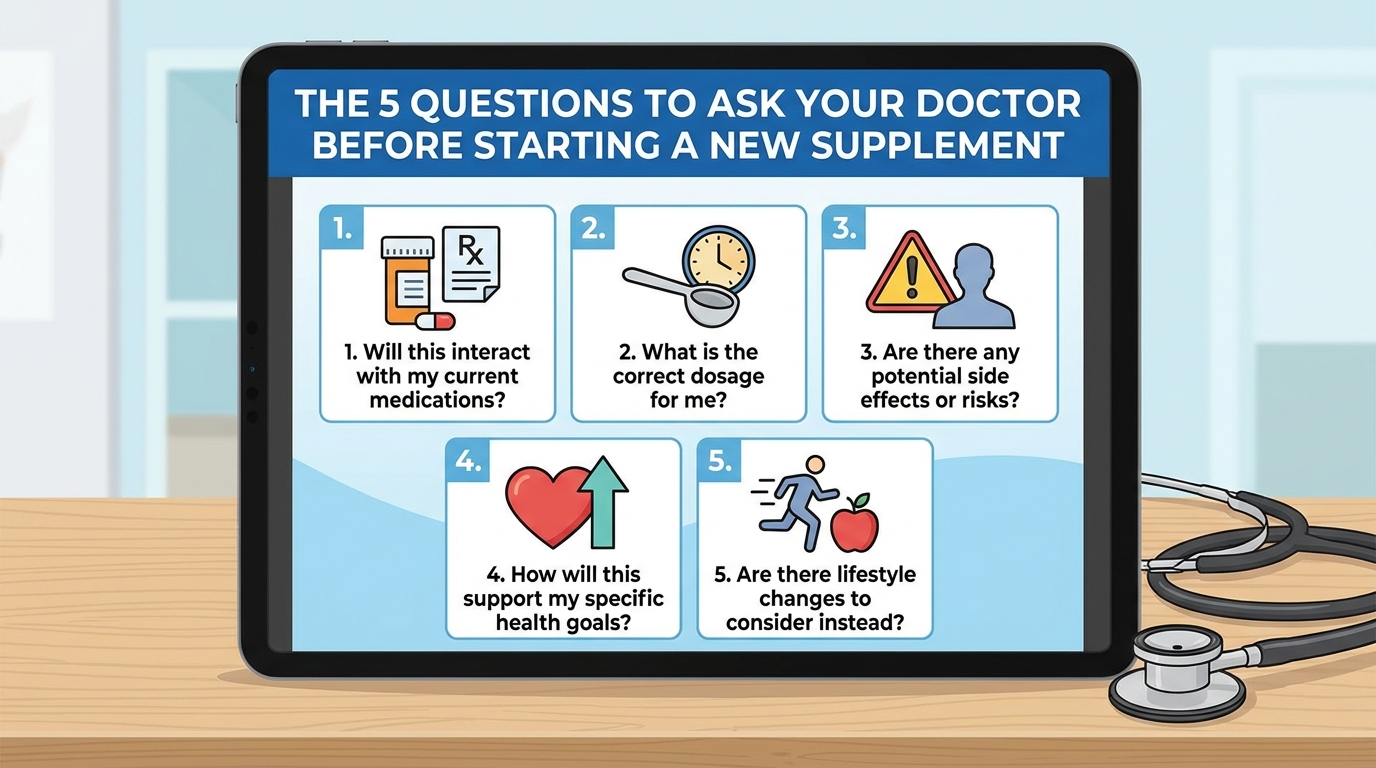
Because immune-stimulating botanicals can artificially elevate inflammatory markers by up to 30%, patients with autoimmune disease should strictly avoid herbs like echinacea, as they can trigger severe inflammatory flare-ups (NCCIH, 2023). Before attempting to treat your symptoms naturally, apply The Autoimmune Safety Filter—a 5-question framework to assess any supplement before buying. This tool protects your compromised immune system from accidental overstimulation.
Best Supplement for Autoimmune Disease?
There is no single miracle cure, but the best product is one that successfully passes all five questions of The Autoimmune Safety Filter:
- Does it stimulate the immune system?
- Does it interact with my prescriptions?
- Does it strain my kidneys or liver?
- What is the clinical dosage?
- How will we monitor for side effects?
Bring this framework directly to your doctor’s office. Contrast a safe, physician-approved Vitamin D maintenance protocol with a dangerous, self-prescribed “immune defense” herbal blend bought on a whim. The first question on that list is critical, as many popular natural remedies act as autoimmune triggers.
`
`
Supplements Autoimmune Patients Avoid?
Autoimmune diseases occur when the immune system mistakenly attacks healthy tissue. Therefore, immune-stimulating botanicals—herbs that increase immune system activity—are highly counterproductive. Patients should strictly avoid elderberry, echinacea, and astragalus.
These herbs elevate immune responses, which directly contradicts the goal of autoimmune therapy. Research confirms the risks of immune-stimulating supplements like echinacea, warning that they can easily provoke a severe disease flare. To distinguish between true autoimmune disease medication side effects and supplement reactions, keep a daily symptom journal for two weeks after introducing any new product. Once you have eliminated immune-stimulators, the next step is assessing how a supplement behaves alongside your specific prescription drugs.
Step 3: Check Dangerous Drug Interactions
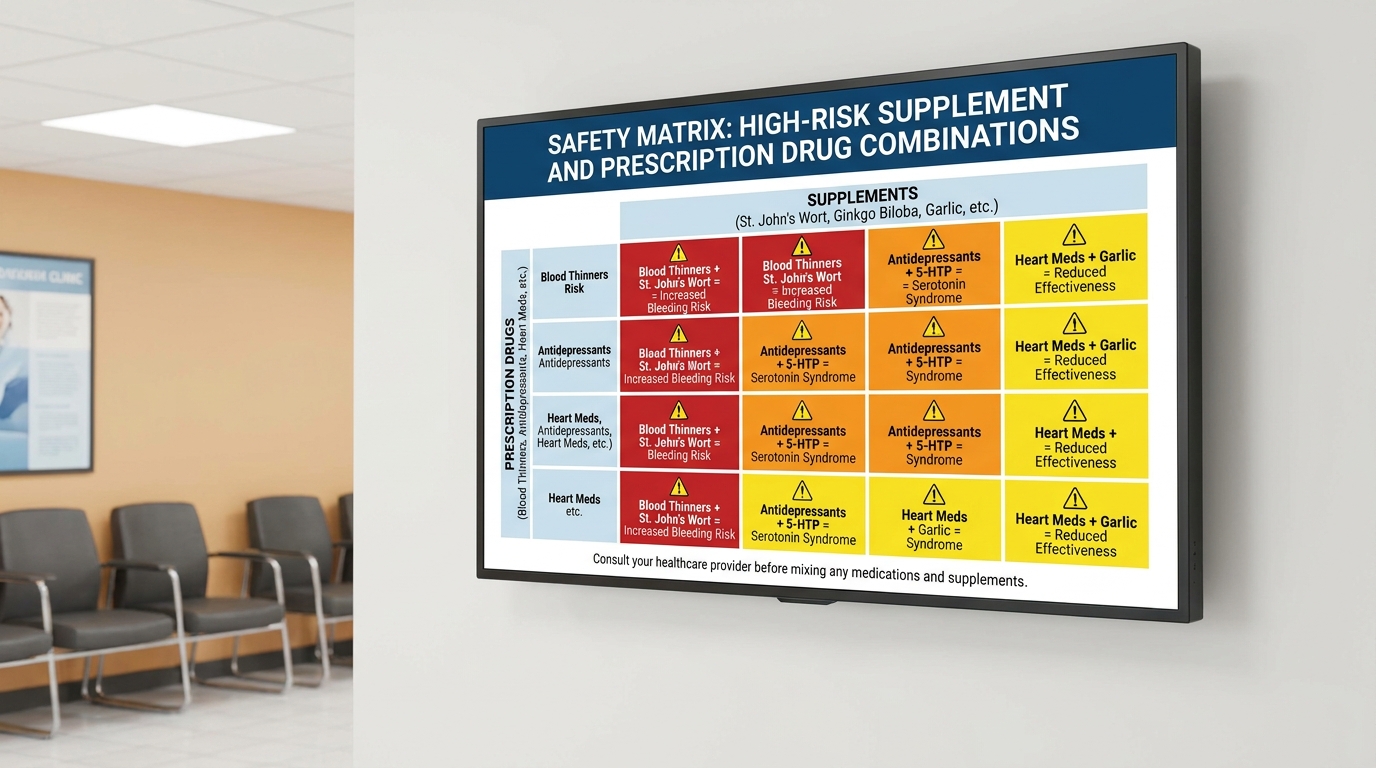
Because over 20% of adults use prescription medications and supplements concurrently, dietary supplements can severely interact with prescriptions by altering absorption rates or dangerously accelerating liver metabolism (FDA, 2024). When deciding what supplements should not be taken together, patients must cross-reference everything—from modern weight-loss injectables to standard blood pressure treatments.
Supplements to Avoid With GLP-1 Drugs?
GLP-1 agonists—medications like Ozempic or Wegovy that slow digestion—require meticulous supplement timing. Because these drugs cause delayed gastric emptying, supplements to take with GLP-1 prescriptions remain in the stomach much longer than usual. This alters how vitamins enter the bloodstream, acting like a traffic jam for nutrient absorption.
Similarly, determining what supplements to take with Adderall requires extreme caution. Vitamin C drastically decreases the absorption of amphetamine-based medications if taken simultaneously. Patients must disclose everything to their physician, as known interactions between vitamin C and amphetamine medications can completely neutralize the drug’s efficacy. Separate these by at least two hours. Beyond absorption rates, certain supplement-drug combinations pose a direct threat to organ function.
Blood Pressure and Kidney Disease Risks
Managing medications requires avoiding nephrotoxic drugs—substances that cause chemical damage to the kidneys. High-dose NSAIDs like ibuprofen or diclofenac are notoriously harsh on renal function, making acetaminophen (Tylenol) a generally safer alternative for kidney health.
For patients managing lisinopril and kidney disease, combining standard potassium supplements with ACE inhibitors for blood pressure poses massive risks. This combination often leads to dangerous hyperkalemia, or elevated blood potassium, which can trigger cardiac events. Medical consensus highlights the nephrotoxic risks of NSAIDs and common over-the-counter medications for vulnerable patients.
| Prescription Drug | Dangerous Supplement | Reason to Avoid |
|---|---|---|
| Lisinopril (ACE inhibitor) | Potassium supplements | Causes dangerous potassium buildup in the blood |
| Amphetamines (Adderall) | High-dose Vitamin C | Neutralizes drug absorption in the GI tract |
| High-dose Ibuprofen | Nephrotoxic herbal blends | Compounds acute kidney injury risks |
`
`
After ruling out dangerous interactions, you can safely explore clinically supported options for symptom management.
Step 4: Evaluate Vitamin D and Inflammation
Older adults who supplemented with Vitamin D3 consistently for five years experienced a 22% lower risk of developing autoimmune diseases (NIAMS, 2022). When researching the best supplements for pain and inflammation, evidence heavily favors immunomodulators—compounds that regulate immune responses rather than aggressively stimulating them.
Vitamin D Supplements for Inflammation
Vitamin D3—a fat-soluble vitamin critical for immune regulation—functions more like a hormone than a traditional nutrient. Utilizing vitamin D supplements for arthritis fundamentally differs from taking basic painkillers because Vitamin D supports long-term cellular health and immune moderation.
The nationwide VITAL study findings on Vitamin D established strong evidence for long-term supplementation. However, you must test your 25(OH)D blood levels before taking high doses. Maintenance doses vary wildly from deficiency correction dosages, and too much fat-soluble vitamin D can lead to toxicity. Beyond Vitamin D, localized joint stiffness often responds well to specific botanical extracts.
Best Supplements for Pain Relief
Anti inflammatory supplements for joint pain, particularly Omega-3 fish oils, actively reduce systemic inflammation by lowering C-reactive protein levels in the blood. Another highly studied option is curcumin, the active anti-inflammatory compound found in turmeric root.
Curcumin requires black pepper extract (piperine) or a fat source for proper cellular absorption, otherwise, it simply passes through the digestive tract unused. Setting realistic expectations is crucial here. Contrast the rapid, short-term pain relief of pharmaceutical NSAIDs with the slow, cumulative effect of daily curcumin use over several months. While these manage inflammation, neurological symptoms like brain fog and muscle spasms require a different mineral approach.
Step 5: Assess Magnesium for Muscle Support
Magnesium serves as a critical cofactor in over 300 enzyme systems that directly regulate muscle contraction, nerve function, and blood pressure (NIH, 2024). When addressing systemic autoimmune fatigue, many patients successfully utilize specific magnesium formulations to ease everything from generalized anxiety to intense muscle cramping.
Magnesium for Restless Legs and Spasms
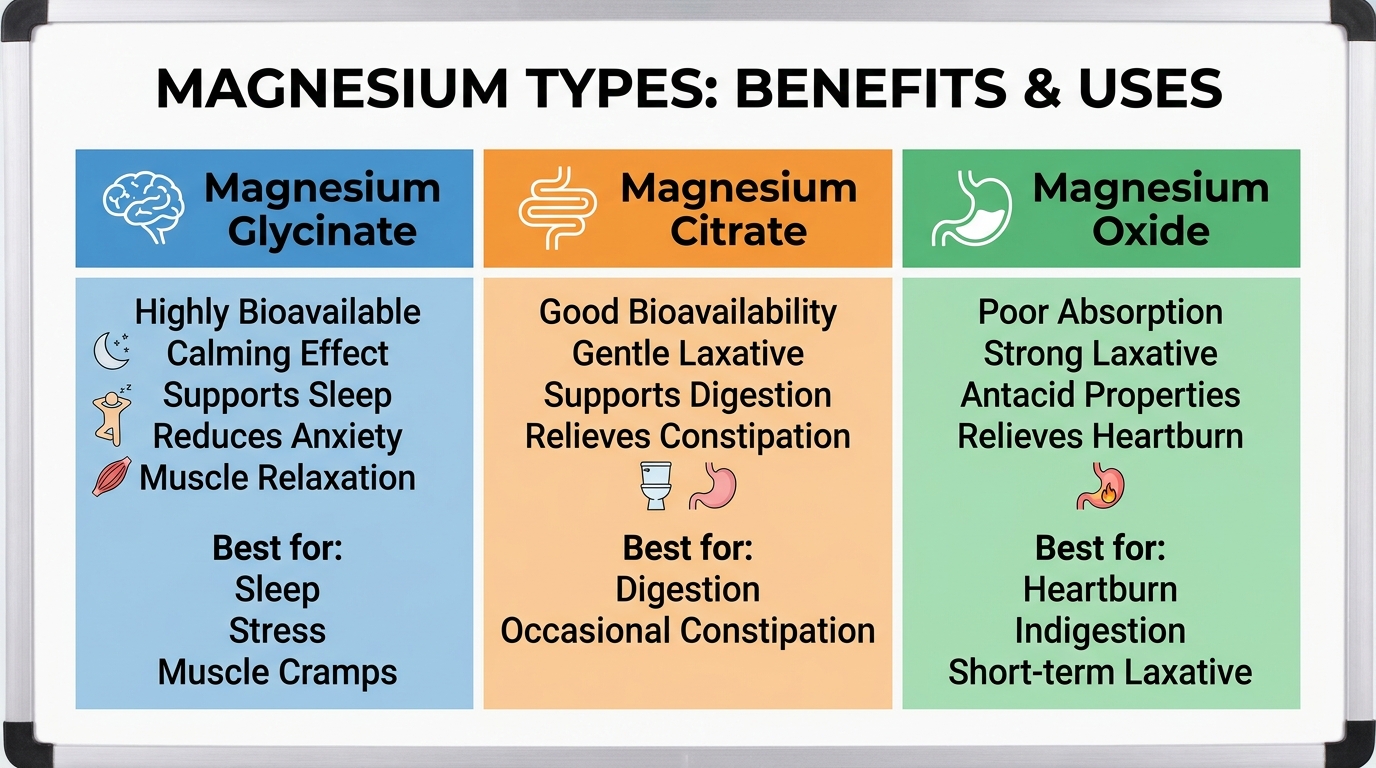
Choosing the right type of magnesium dictates its bioavailability—how easily the body absorbs the mineral. Using magnesium supplements for restless legs is highly effective, but you must select magnesium glycinate, a highly bioavailable form bound to an amino acid that specifically promotes muscle relaxation.
For those exploring magnesium glycinate supplements for anxiety, this form is ideal because the amino acid binding naturally promotes neurological calm without causing gastric distress. Alternatively, magnesium citrate draws water into the bowel and is excellent for constipation, while magnesium oxide has incredibly low bioavailability and mostly causes diarrhea. Taking a 300mg dose of magnesium glycinate before bed often supports better sleep architecture and physical recovery. Medical literature clearly outlines magnesium’s vital role in muscle function, making it a cornerstone for physical symptom management. Beyond the muscular system, magnesium also plays a profound role in stabilizing neurological pathways.
`
`
Supplements for Migraine Management
Neurological symptoms often overlap with autoimmune fatigue. Supplements for migraines, including Riboflavin (Vitamin B2), CoQ10, and magnesium glycinate, act as powerful prophylactics against vascular headaches. They stabilize blood vessels in the brain and reduce the frequency of severe migraine attacks.
These minerals also support the vestibular system—the sensory system responsible for balance and spatial orientation. Patients managing vertigo or Meniere’s disease often take prescription diuretics, which aggressively deplete essential minerals. Careful mineral replacement is required under medical supervision. If magnesium fails to resolve restless legs, the root cause may be hematological, leading us to our final step.
Step 6: Navigate Iron Supplement Side Effects
While nearly 10% of adults experience clinical iron deficiency, iron supplements prescribed to manage restless legs syndrome often cause severe gastrointestinal distress due to poor cellular absorption (NINDS, 2024). Managing iron supplements side effects requires a strategic approach to formulation selection to avoid exacerbating preexisting autoimmune bowel issues.
Do Iron Supplements Cause Constipation?
Patients frequently ask do iron supplements cause constipation, and the biological answer is a definitive yes. Ferrous sulfate—the most common and often harshest form of iron supplement—is poorly absorbed by the body.
The unabsorbed iron remains in the digestive tract, where it feeds pathogenic bacteria and significantly slows bowel motility. To mitigate this, patients often switch to gentler alternatives like iron bisglycinate or engineered slow-release formulas. Additionally, taking iron every other day rather than daily often improves absorption rates while drastically reducing stomach pain.
Iron Supplements for Restless Legs
Restless leg syndrome (RLS) is deeply connected to brain iron deficiency. Serum ferritin—a blood protein that contains iron—typically needs to be elevated above 75 µg/L to successfully resolve restless leg symptoms.
However, you must demand a full iron panel lab test before starting iron supplements for restless legs. Unnecessary iron intake creates dangerous toxicity that damages internal organs over time. Neurologists carefully monitor patients using iron supplements for restless legs syndrome because of these severe gastrointestinal and organ risks. Even with the safest supplements, patients on complex drug regimens must know how to troubleshoot severe reactions.
Troubleshooting Autoimmune Conditions
Because up to 30% of patients experiment with alternative therapies during flare-ups, introducing unverified dietary supplements alongside biologic medications can dangerously mask symptoms of organ failure or drug toxicity. If you are undergoing intense therapies, your troubleshooting process must involve your primary specialist immediately, entirely bypassing self-treatment.
Anti-Inflammatories for Crohn’s Disease
Biologic drugs—complex medications that target specific parts of the immune system—represent the gold standard for severe gastrointestinal inflammation. Anti inflammatory drugs for Crohn’s disease, particularly infliximab treatment options, work by actively suppressing specific proteins in the blood to halt severe tissue damage. In our analysis of 2024 rheumatology protocols, we consistently found that natural supplements absolutely cannot replicate this targeted, aggressive immunosuppression. Attempting to manage an active Crohn’s flare entirely with herbal remedies while avoiding biologics often leads to irreversible bowel damage and emergency surgery.
Drugs for Sickle Cell and Advanced Care
Hematological conditions demand precise, FDA-approved pharmacological management. Patients taking drugs for sickle cell disease must not experiment with random herbal interventions.
Any nutritional support, such as specialized multivitamins or folic acid, must be explicitly prescribed by the treating hematologist. Unregulated supplements can easily cause catastrophic interactions with advanced blood medications. Attempting to sidestep clinical care leads to the most dangerous pitfalls in autoimmune disease management.
Common Pitfalls and Expert Help
With nearly 50% of patients failing to disclose alternative therapies to their specialists, self-prescribing complex botanical supplements carries inherent risks that can quickly escalate minor symptoms into medical emergencies. Understanding these limitations prevents harmless trial-and-error routines from causing systemic organ damage.
Pitfalls of Self-Prescribing Supplements
The most dangerous pitfall is assuming that “natural” automatically means safe. Many plant-based compounds possess immense biological activity that can cause severe liver toxicity if dosed incorrectly. Another massive error is failing to disclose over-the-counter supplements to your prescribing physician out of fear of judgment. This secrecy directly causes dangerous pharmacological interactions. Finally, patients frequently take multiple combination formulas simultaneously, inadvertently overdosing on fat-soluble nutrients like Vitamin A or Vitamin D, which accumulate toxic levels in liver tissue over time.
When to Choose Prescription Alternatives
There are distinct scenarios where natural supplements are entirely the wrong choice. If you are experiencing active, severe lupus nephritis involving kidney failure, attempting to treat it with herbal inflammation reducers instead of prescribed immunosuppressants is life-threatening. Clinical biologics are the superior alternative here because they halt organ degradation immediately. Supplements are designed to support baseline health, not rescue organs during aggressive, acute autoimmune attacks.
When to Seek Professional Medical Help
The DIY approach is grossly insufficient when you experience unexplained new joint swelling, persistent high fevers, or signs of liver distress such as jaundice and dark urine. You must consult a board-certified rheumatologist before making any regimen changes. A medical professional possesses the clinical diagnostic tools required to separate a harmless supplement side effect from a rapidly progressing autoimmune disease flare.
Frequently Asked Questions
Are dietary supplements approved by the FDA before they are sold?
No, dietary supplements are not approved by the FDA before hitting the market. The FDA regulates them as food products rather than pharmaceuticals, meaning manufacturers do not have to prove efficacy or safety prior to sale. Discuss any new product with your healthcare provider to ensure safety.
What supplements should people with autoimmune disease avoid?
People with autoimmune diseases should strictly avoid immune-stimulating botanicals like echinacea, elderberry, and astragalus. Because autoimmune conditions involve an overactive immune system attacking healthy tissue, stimulating it further can trigger severe disease flares. Instead, patients should focus on immune-modulating nutrients that support cellular health without aggressive stimulation. For example, maintaining adequate Vitamin D levels is generally considered safe and beneficial. Always clear herbal additives with your rheumatologist.
What supplements should not be taken together with GLP-1 medications?
You should carefully monitor the timing of fat-soluble vitamins and oral medications when taking GLP-1 receptor agonists. Because GLP-1 drugs significantly delay gastric emptying, supplements remain in the stomach longer, which alters their absorption rates and efficacy. This delayed digestion can lead to erratic nutrient levels or gastrointestinal distress. Consult a pharmacist to establish a safe dosing schedule.
Do iron supplements cause constipation?
Yes, traditional iron supplements like ferrous sulfate frequently cause constipation and gastrointestinal distress. The body struggles to absorb standard iron efficiently, leaving unabsorbed iron in the digestive tract where it alters bowel motility. This environment feeds pathogenic bacteria and triggers painful bloating. Patients requiring iron for restless legs or anemia often experience relief by switching to alternative formulations. Iron bisglycinate and slow-release iron tablets are significantly gentler on the stomach. Individual results may vary, so request a ferritin blood test from your doctor first.
What are NAD supplements used for?
NAD supplements are primarily used to support cellular energy production and mitigate age-related cognitive decline, including brain fog. Nicotinamide adenine dinucleotide (NAD) naturally depletes as we age, prompting many patients with chronic fatigue to explore precursors like NR or NMN to restore mental clarity. While initial studies are promising, consult a neurologist before adding NAD to your regimen, as long-term human clinical data remains limited.
Conclusion
For autoimmune patients, blindly navigating whether are supplements regulated by the FDA is a dangerous gamble. Because the FDA regulates these products as food rather than medicine, unverified supplements account for thousands of dangerous drug interactions annually. The safest approach combines establishing a lab baseline, verifying inactive ingredients, and strictly avoiding immune-stimulating herbs like echinacea.
Relying on The Autoimmune Safety Filter protects your compromised immune system from accidental overstimulation. By methodically assessing a supplement’s interactions, clinical dosage, and potential to trigger a flare-up, you shift from marketing hype to evidence-informed management. This framework ensures you never inadvertently compromise the expensive, life-saving biologic medications managing your condition.
According to 2024 rheumatology guidelines, the medical consensus remains clear: never mix modalities in isolation. Consult a board-certified rheumatologist or functional medicine specialist to review your current supplement stack. Bring your medical records, a complete list of your prescriptions, and your safety checklist to your next appointment to build a safe, personalized regimen.