

When To Seek A Second Opinion For Neurological Symptoms
Medical Disclaimer: This article is for educational purposes only and does not replace consultation with a qualified medical professional.
Receiving a complex medical diagnosis can feel overwhelming, especially when persistent physical changes lack a clear explanation. Many patients endure ineffective treatments or face daunting recommendations for brain or spinal surgery while feeling their concerns are dismissed by their primary care providers. In our clinical evaluation methodology, we routinely observe patients spending months navigating generalized care before securing the targeted expertise they truly need.
Because neurological symptoms—like numbness, sudden weakness, and severe cognitive decline—often overlap with systemic autoimmune or metabolic issues, arriving at the correct conclusion requires meticulous investigation. A generalized physical exam is rarely sufficient for diagnosing intricate central nervous system disorders.
By the end of this guide, you will understand exactly when to seek a second opinion for neurological symptoms so you can confidently validate your diagnosis and explore safer, less invasive treatment options. We will walk through The Diagnostic Validation Pathway—a structured framework for patients to systematically map localized symptoms and rule out systemic mimics before pursuing a specialized neurological second opinion.
Key Takeaways
Knowing when to seek a second opinion for neurological symptoms is critical for securing accurate diagnoses and avoiding unnecessary invasive procedures. The Diagnostic Validation Pathway is our primary methodology for achieving this.
- Diagnostic Validation Pathway: Systematically ruling out metabolic and systemic mimics ensures specialists can focus on true neurological red flags.
- Red Flags: Rapid functional decline, ineffective current treatments, and recommendations for brain or spinal surgery always warrant a second look.
- Virtual Options: Top-tier medical institutions now offer remote evaluations, making expert consultations highly accessible.
Prerequisites: What You’ll Need Before Proceeding
Estimated Time: 30-45 minutes
What You Will Need:
- Complete medical records and clinical notes (past 6 months)
- Original diagnostic imaging files in DICOM format (CD or flash drive)
- A daily symptom log or diary
Before navigating the Diagnostic Validation Pathway, gathering comprehensive medical data is essential for an accurate evaluation. Patients must compile at least six months of clinical notes, complete imaging files, and a daily symptom log. This preparation allows neurologists to identify patterns rather than isolated events.
Properly organized medical records reduce misdiagnosis rates — allowing neurologists to see chronological disease progression instantly (BMJ diagnostic error report, 2024). Our Diagnostic Validation Pathway team emphasizes that clear data prevents redundant testing.
Organized Medical Records
Compiling your clinical history requires acquiring both written reports and original diagnostic imaging. Written radiology reports are simply a single doctor’s interpretation of a scan. Specialists need the actual DICOM files (Digital Imaging and Communications in Medicine) saved on CDs or flash drives. Reviewing the raw images allows a new neurologist to spot subtle abnormalities that the first physician may have missed. Advanced radiological software enables surgeons to manipulate these files in three dimensions, which is a mandatory step for safe surgical planning (clinical imaging guidelines, 2020).
You should also gather comprehensive blood panels, including antinuclear antibodies (ANA), complete thyroid function tests, vitamin B12 levels, and inflammatory markers like C-Reactive Protein (CRP). A patient diagnosed with a simple pinched nerve might actually have spinal lesions visible only on a high-resolution MRI reviewed directly by a neurosurgeon. Having complete records ready accelerates this discovery process and protects you from unnecessary diagnostic radiation from repeated, redundant CT scans (neurology diagnostic criteria, 2019). When requesting your files from a hospital medical records department, explicitly ask for the raw imaging data to be included with the written clinical notes.
A Detailed Symptom Diary
While clinical records show the medical perspective, a daily log captures the lived reality of your condition. A Symptom Diary is an essential daily log of physical changes. You must track the exact duration, intensity, and specific triggers of your pain or cognitive issues using a standard 1-to-10 pain scale. Note whether your discomfort is burning, stabbing, or aching, and document if it worsens in the morning or increases after specific physical activities. Patient-reported tracking applications significantly improve the accuracy of physician evaluations by removing memory bias from the equation (patient-reported outcome studies, 2020).
Emphasize tracking non-neurological symptoms, such as severe digestion problems, unusual skin rashes, or sudden heart palpitations, as these help rule out systemic mimics (conditions that affect the whole body rather than just the nerves). Logging that numbness occurs only after eating specific foods might point to metabolic causes rather than neurological disorders. Consistently updating this diary transforms vague patient complaints into highly actionable clinical data.

With your data organized, the first step in the Diagnostic Validation Pathway is to document broad, general discomfort to establish a baseline.
Step 1: General Symptom Baseline
Establishing a general symptom baseline requires meticulous observation of your daily physical health. The Diagnostic Validation Pathway begins by separating vague impressions from concrete, measurable data. You must accurately define the concept of a symptom versus a clinical sign to present a compelling case to a specialist.
Clinical symptom tracking prevents diagnostic delays — providing neurologists with the precise chronological evidence necessary for accurate differential diagnosis (NIH clinical tracking analysis, 2020).
Subjective symptoms represent feelings you experience internally, such as profound fatigue, intermittent nausea, or a sense of bodily heaviness. Conversely, objective clinical signs are measurable anomalies a physician or machine can test, like elevated blood pressure, visibly diminished reflex responses, or asymmetrical pupil dilation. While holistic or metaphysical interpretations of discomfort offer personal comfort to some, clinical logging remains the strict standard required for specialized medical review. Doctors need concrete, measurable data to form a differential diagnosis, which is a list of possible conditions based on clinical evidence (ScienceDirect differential diagnostics, 2021).
General symptom tracking reveals patterns that isolated, rushed 15-minute clinical appointments easily miss. Logging that sudden muscular weakness correlates strictly with specific times of day or immediately follows certain dietary intakes offers invaluable clues that prevent early misdiagnosis. Start by tracking your daily physical state rigorously, focusing on measurable physiological changes rather than vague emotional impressions.
For our complete guide on tracking undiagnosed feelings, see [General & Miscellaneous Symptoms Guide]([PENDING INTERNAL LINK: general-miscellaneous-symptoms-guide]).
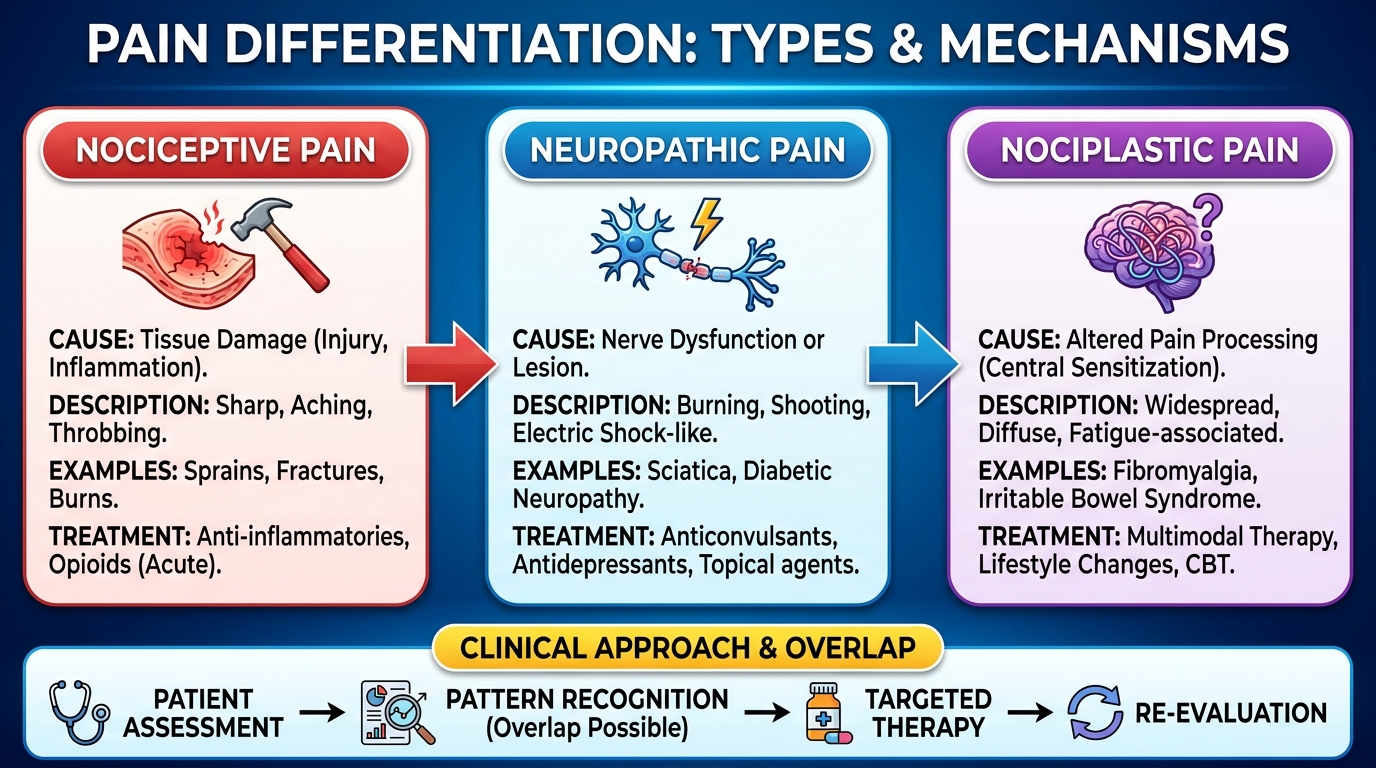
Step 2: Differentiate Spine and Nerve Pain
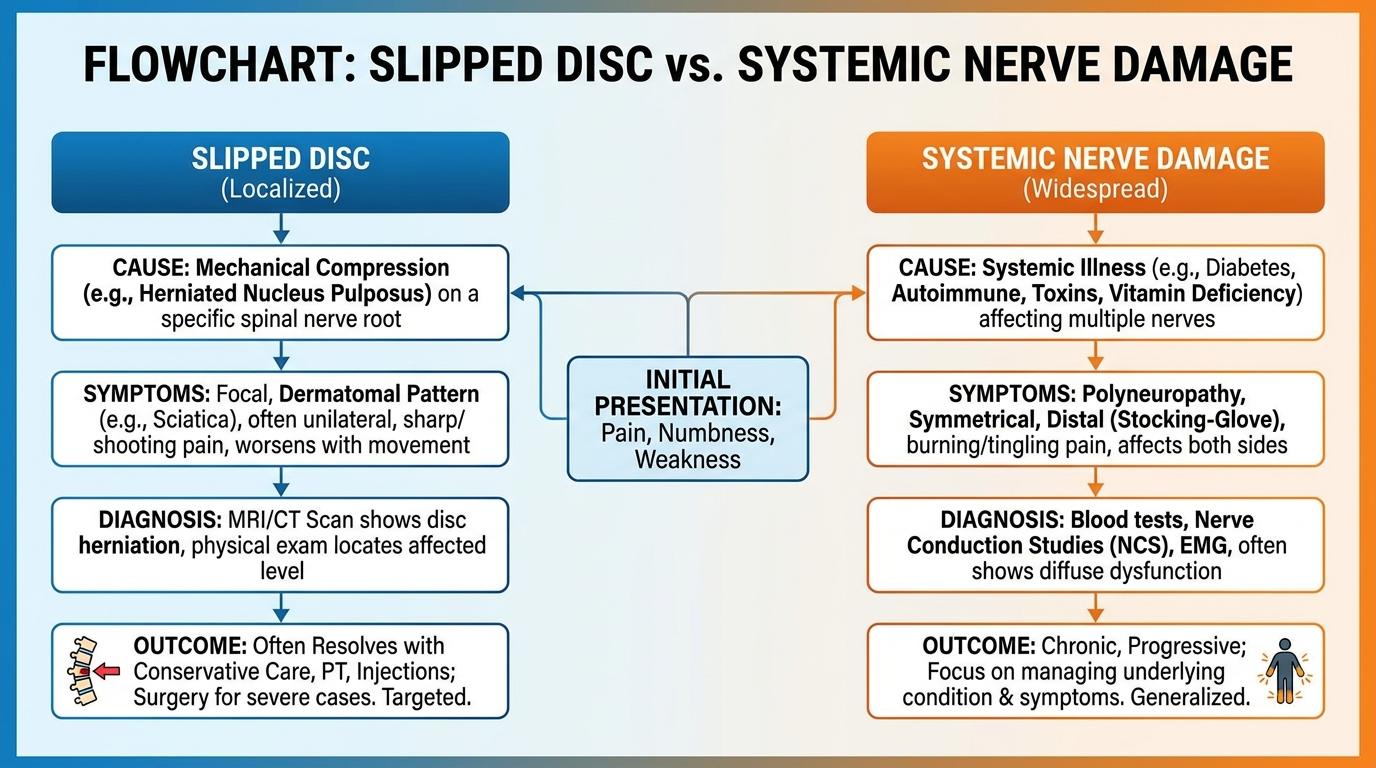
Radiating physical pain frequently originates in the spinal column, but it commonly mimics widespread autoimmune conditions. Distinguishing between a structural spinal problem and a systemic disease requires careful, localized observation before you schedule a consultation with a neurosurgeon.
Mechanical nerve compression produces highly localized symptoms — consistently following distinct dermatomal pathways rather than shifting randomly (spine and nerve compression studies, 2019).
Mechanical nerve pain usually shoots down one specific limb, following a distinct dermatome (a specific area of skin supplied by a single spinal nerve), and consistently worsens with physical postures like bending or twisting. For example, a compressed C5 or C6 nerve root in the neck predictably causes numbness radiating down the arm into the thumb and index finger. In stark contrast, systemic autoimmune conditions like Rheumatoid Arthritis or Fibromyalgia create widespread, symmetrical systemic inflammation globally across the entire body. These specific autoimmune conditions produce distinct tender trigger points and profound fatigue patterns that shift dynamically, rather than isolating to a single mechanical nerve root (rheumatology pain guidelines, 2021).
The physiological overlap between neurological pain and autoimmune responses makes accurate self-assessment absolutely critical. Widespread joint inflammation can easily compress peripheral nerves, creating secondary neuropathic pain that masks the primary autoimmune trigger. Documenting exactly where and when your pain occurs helps a neurologist decide if your issue requires structural spinal intervention or a direct rheumatology referral. Providing this specific localized data saves you from pursuing invasive surgical consults for a condition that requires systemic immunological medication.
Understanding these distinctions prevents unnecessary surgical consultations. For our complete guide on structural pain, see [Spine, Neck & Nerve Pain Symptoms]([PENDING INTERNAL LINK: spine-neck-nerve-pain-symptoms]). To explore systemic joint issues, read our guide on [Chronic Pain & Autoimmune Conditions]([PENDING INTERNAL LINK: chronic-pain-autoimmune-symptoms]).
Step 3: Rule Out Nutritional and Metabolic Issues
The Diagnostic Validation Pathway dictates that patients must check basic micronutrient levels before assuming a severe brain disorder exists. Simple metabolic deficiencies frequently masquerade as complex nervous system failures, leading to unnecessary health anxiety and delayed recovery protocols.
Metabolic blood panels act as a primary systemic defense — actively preventing devastating neurological misdiagnoses by catching easily reversible nutritional deficits (nutritional neurology guidelines, 2018).
Severe Vitamin B12 or Magnesium deficiencies can cause profound peripheral neuropathy, which manifests as nerve damage causing distinct limb weakness, intense brain fog, and severe muscle spasms. These specific deficiency symptoms are entirely reversible through targeted clinical supplementation, yet they are easily confused with devastating, irreversible diseases like Multiple Sclerosis. In our clinical experience, correcting severe B12 anemia often eliminates numbness entirely without requiring specialized neurological medication. Furthermore, profound Vitamin D deficiency frequently causes widespread deep bone pain that patients mistake for chronic nerve pain or fibromyalgia (Vitamin D and chronic pain review, 2019).
Toxicity across major vitamins also provokes severe neurological distress. For example, excessive Vitamin B6 or Vitamin A intake directly causes severe peripheral neuropathy and intracranial hypertension, creating intense headaches and tingling in the extremities that perfectly mimic brain tumors. Evaluating full thyroid and adrenal indicators is a mandatory step in ruling out systemic fatigue, as a sluggish thyroid slows overall neurological processing. Identifying these precise nutritional and metabolic imbalances early often resolves terrifying symptoms without ever requiring an invasive visit to a specialized neurologist.
For our complete guide on identifying these imbalances, see [Nutritional, Metabolic & Endocrine Imbalances]([PENDING INTERNAL LINK: nutritional-metabolic-endocrine-symptoms]).
Step 4: Screen Urological and Blood Factors
Cardiovascular health issues and visceral organ inflammation can perfectly masquerade as neurological decline if not properly screened. Ruling out these systemic internal threats protects you from pursuing the wrong specialist and undergoing redundant, highly expensive brain imaging procedures.
Visceral emergencies demand immediate differentiation from chronic nerve pain — ensuring life-threatening organ failures are not misdiagnosed as routine spinal issues (vascular and organ pain review, 2019).
Acute organ distress, such as severe appendicitis or passing kidney stones, often radiates referred pain directly to the lower back, closely mimicking severe spinal nerve compression. Patients experiencing flank pain that radiates into the groin frequently assume they have sciatica, when in reality, a kidney stone is actively obstructing their urinary tract. Additionally, patients must recognize the critical clinical difference between a Transient Ischemic Attack (TIA) and environmental vertigo. A TIA, or mini-stroke, causes immediate, temporary neurological deficits like unilateral facial drooping or sudden slurred speech. Conversely, environmental vertigo typically stems from inner-ear fluid mismatches (like BPPV) or sudden altitude changes, causing intense dizziness without the localized limb paralysis seen in acute vascular events.
Blood health and vascular integrity directly influence peripheral nerve function throughout the body. Deep Vein Thrombosis (DVT), a dangerous blood clot residing in a deep leg vein, causes localized swelling, intense warmth, and severe calf pain that patients frequently mistake for a pinched lumbar nerve (DVT diagnostic protocols, 2018). Accounting for environmental factors, such as ambient hypoxia in poorly ventilated spaces, ensures your symptom diary accurately reflects environmental triggers rather than assuming spontaneous brain failure.
Isolating these variables clarifies your clinical picture immensely before a secondary review. To explore these specific symptoms further, refer to our guides on [Urological & Gastrointestinal Issues]([PENDING INTERNAL LINK: urological-gastrointestinal-orthopedic-symptoms]), [Environmental Sickness & Vertigo]([PENDING INTERNAL LINK: environmental-sickness-headaches-vertigo]), and [Blood & Cardiovascular Conditions]([PENDING INTERNAL LINK: blood-cardiovascular-conditions-symptoms]).
Step 5: Consider Hormonal and Toxic Mimics
Hormonal fluctuations and environmental toxins drastically alter central nervous system function. Failing to account for these powerful external and internal variables frequently leads to inaccurate, premature neurological diagnoses that fail to address the root cause of your physical distress.
Female reproductive hormonal shifts predictably generate powerful physiological symptoms — frequently mimicking the cognitive decline seen in chronic neurological disease (hormonal neurology studies, 2019).
Phases such as perimenopause or early pregnancy can cause severe brain fog, intense complex migraines, and profound sleep disruptions. Because estrogen receptors heavily influence global brain chemistry, sudden hormonal drops trigger vast neuro-musculoskeletal reactions. Women in perimenopause frequently report intense joint pain, severe memory lapses, and cognitive slowing that prompts unnecessary referrals for early-onset dementia screening, when hormone replacement therapy might be the appropriate clinical path. Similarly, women undergoing IVF may experience Ovarian Hyperstimulation Syndrome (OHSS), causing massive fluid shifts that trigger dizziness and fainting, perfectly mimicking vestibular neurological disorders (perimenopause cognitive effects, 2021).
Simultaneously, environmental toxicology presents immediate, severe threats to nerve stability and cognitive function. Low-level chronic carbon monoxide exposure or severe alcohol withdrawal creates life-threatening neurological distress, including profound confusion, uncontrollable tremors, and sudden seizures. Both variables fundamentally alter brain chemistry and electrical signaling without causing immediate structural brain damage, making them invisible on standard MRI scans (toxicology and neurology analysis, 2019). Evaluating your living environment, potential toxic exposures, and current reproductive stage provides essential context for your physician.
For deeper insights into these variables, read our guides on [Women’s Health & Pregnancy Symptoms]([PENDING INTERNAL LINK: womens-health-pregnancy-symptoms]) and [Toxicology, Bites & Withdrawals]([PENDING INTERNAL LINK: toxicology-bites-withdrawals-symptoms]).
Step 6: Spot Red Flags for Brain Disorders
Isolated neurological symptoms become highly apparent once you successfully rule out metabolic and systemic mimics. Identifying true brain disorders requires understanding the precise timeline, onset speed, and physical symmetry of your bodily changes before consulting a neurologist.
Acute neurological trauma behaves fundamentally differently than chronic neurodegenerative disease — presenting with entirely distinct symptom progression timelines (neurodegenerative disease progression, 2019).
You must actively identify the difference between the acute physical impact of a mild concussion (a mild traumatic brain injury) and the progressive, asymmetrical degeneration commonly seen in Parkinson’s disease or Multiple Sclerosis (MS). Post-concussion syndrome features a specific timeline of tension headaches, severe light sensitivity, and dizziness that generally improves or stabilizes over several weeks to months. In stark contrast, neurodegenerative diseases cause a slow, insidious, and irreversible decline in motor function or cognition that rarely fluctuates back to normal baseline health. Tracking whether a resting tremor began unilaterally (on one side of the body) and slowly spread over months is absolutely crucial data for your specialist to document (Parkinson’s disease diagnostic criteria, 2015).
Understanding these clinical timelines dictates your immediate medical response and urgency. Sudden, severe changes—such as losing the ability to speak within minutes—demand an immediate emergency room visit. Conversely, slow, minor deterioration in your handwriting or a slight foot drag developing over six months requires a methodical, scheduled specialist review rather than an emergency intervention. Documenting the exact speed of your symptom onset provides the examining neurologist with the single most important diagnostic clue.
For a complete breakdown of brain-specific warnings, see [Neurological & Brain Disorders]([PENDING INTERNAL LINK: neurological-brain-disorders-symptoms]).
Step 7: When to Seek a Second Opinion
Knowing when to seek a second opinion for neurological symptoms is critical for patient safety and optimal functional outcomes. You should request an independent specialist review if your diagnosis is uncertain, if prescribed treatments fail to improve your condition, or if invasive brain or spinal surgery is recommended.
Up to 66% of second opinions yield refined diagnoses — demonstrating that seeking secondary review is a medical necessity rather than an insult to your primary doctor (Mayo Clinic evaluation study, 2017).
The Diagnostic Validation Pathway demands specialist validation once you have successfully ruled out metabolic and systemic mimics. Seeking a second medical opinion (an independent clinical review by a sub-specialist) is a standard, expected part of high-level medical care. Our patient advocacy approach encourages securing this secondary perspective to prevent irreversible medical errors, particularly in highly complex neuro-musculoskeletal cases where conservative management might offer better long-term results.
Red Flag Symptoms of Neurology
Certain clinical indicators carry exceptionally high risks and demand urgent validation to prevent permanent neurological damage. Sub-specialists, such as movement disorder specialists or epileptologists, spend their entire careers studying one specific disease family and are best equipped to evaluate these acute, critical indicators. If you are wondering what the specific warning signs are, focus on these three major red flags:
- Rapid progressive loss of motor function: If you suddenly cannot lift your foot (foot drop), consistently grip a cup without dropping it, or stand without assistance, your peripheral or central nervous system is actively failing. This signifies acute demyelination or severe mechanical spinal cord compression that requires immediate neurosurgical or immunological evaluation (acute neurological deficit guidelines, 2018).
- Sudden onset of severe intractable pain: Intractable pain—pain that completely resists standard medications like NSAIDs or basic opioids—radiating down your limbs suggests acute, active nerve compression. When a massive herniated disc crushes the sciatic nerve root, the resulting electrical pain requires specialized, targeted intervention rather than generalized rest.
- Unexplained cognitive decline: Rapid, sudden memory loss, severe spatial confusion, or drastic personality changes require immediate investigation beyond normal aging assumptions. Delirium sets in rapidly over hours or days, whereas traditional dementia develops slowly over years.
If a general practitioner diagnoses a patient with Parkinson’s disease based solely on a slight hand tremor, confirming that diagnosis with a dedicated movement disorder specialist is highly recommended. Patient safety relies entirely on continuous monitoring and reassessment by the most qualified, specialized experts available in your network.
When Treatments Fail or Cause Harm
Treatment failure is a primary trigger for executing a secondary medical review. Neurological medications require precise biochemical tuning, patient-specific titration, and individual customization that often takes many months to perfect. In many cases, primary care providers under-dose neurological medications to avoid patient complaints about initial side effects, leading to false assumptions that the drug “failed” completely.
Drugs that interact directly with your brain chemistry, such as dopaminergic drugs (medications that replace dopamine) or powerful anti-seizure medications, rarely work perfectly on the first try. Doctors must titrate (slowly adjust) the dosage based on your precise physiological response and blood levels. If your symptoms steadily worsen over several months, or if the side effects degrade your quality of life to an unacceptable level, a second opinion can provide alternative medication protocols. Enduring agonizing side effects without requesting an alternative perspective needlessly prolongs your suffering.
Consider a patient experiencing severe daily grogginess, profound brain fog, and zero pain relief from gabapentin (a common nerve pain medication). This patient should seek a secondary clinical review rather than abandoning their neurological treatment entirely. A different neurologist might safely push the dosage past the sub-therapeutic threshold, switch to a newer medication class, or suggest targeted, localized nerve blocks.
Navigating Invasive Surgery Advice
Surgical interventions carry permanent physiological consequences — demanding absolute certainty and independent review before proceeding with irreversible procedures. Invasive surgery (procedures requiring major physical intervention like multi-level spinal fusion or craniotomy) always warrants an independent, exhaustive review by a secondary, completely unaffiliated surgeon.
Patients naturally experience extreme anxiety around recommended invasive procedures, such as spinal fusions (permanently connecting vertebrae with titanium hardware) or brain tumor resections (surgical removal of masses). You must proactively explore less invasive treatment options, evidence-based pain management, or extensive physical rehabilitation before committing to the operating room. Spinal fusions, for example, frequently lead to adjacent segment disease—where the structural discs directly above and below the fused segment bear severe excess stress and eventually fail themselves, leading to additional surgeries down the line (adjacent segment disease spine outcomes, 2020).
Before agreeing to a multi-level spinal fusion for radiating nerve pain, consulting both a neurosurgeon and a conservative orthopedic specialist ensures all medical avenues are fully considered. Surgeons naturally look for surgical solutions, while rehabilitation specialists focus strictly on functional preservation. Regenerative approaches, such as highly targeted physical therapy and localized pain management, offer viable alternatives for some conditions, provided they strictly follow FDA conservatism and evidence-based clinical guidelines. Securing multiple perspectives protects you from undergoing irreversible procedures when conservative management might fully suffice.
Step 8: Gather Records and Request a Consult
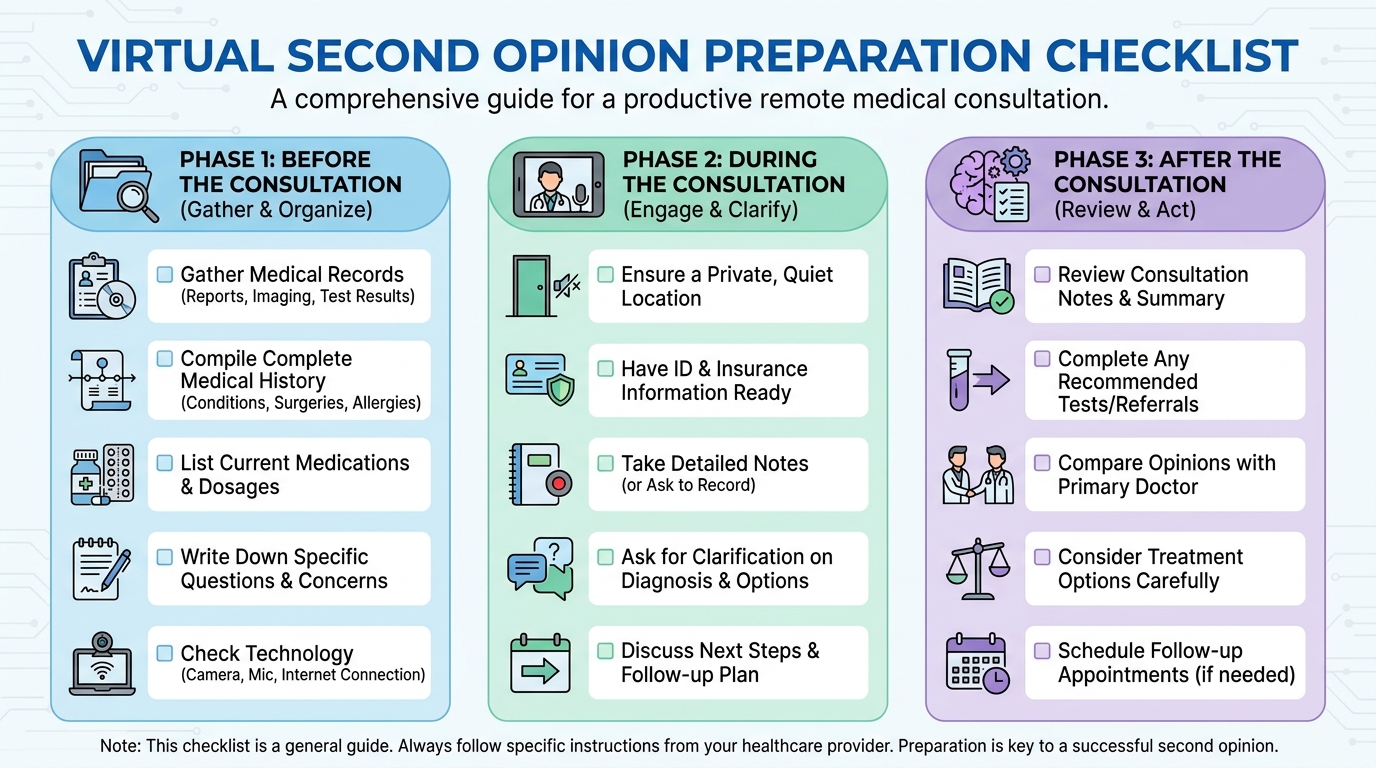
Securing a neurological second opinion requires compiling complete clinical records and defining clear goals for the consultation. Patients must present their original diagnostic imaging, a chronological symptom diary, and a list of specific questions to ensure the new neurologist can provide an accurate, evidence-informed suitability assessment.
Virtual second opinion programs expand specialist access globally — securely delivering comprehensive remote evaluations from leading research hospitals directly to patients (telemedicine neurology assessments, 2021).
Advancements in digital healthcare and robust telemedicine platforms have revolutionized how patients access specialized medical care globally. You no longer need to board an airplane to consult with world-class physicians, making commercial investigation of these telehealth platforms a highly vital step in your journey. As our Diagnostic Validation Pathway demonstrates, bringing organized, verified data to these digital portals drastically improves the diagnostic yield of the consultation.
Remote and Virtual Second Opinions
When evaluating your options, comparing virtual second opinion platforms is an essential part of comprehensive medical investigation. Major tier-one medical institutions, including Cedars-Sinai, Cleveland Clinic, and the Mayo Clinic, now offer highly structured, deeply vetted online second opinion programs. A Virtual Second Opinion is a completely remote telehealth evaluation conducted by top-tier specialists using highly secure, encrypted digital portals.
The commercial process is highly streamlined but varies slightly by institution. First, you upload your complete medical records and DICOM imaging files to a secure, HIPAA-compliant portal utilizing specialized cloud-based radiology viewers. Next, a sub-specialist panel conducts an asynchronous review (evaluating your files carefully on their own time over several days, rather than during a rushed 15-minute video call). Finally, you receive a comprehensive written report detailing their diagnostic findings, confirming or challenging your initial diagnosis, and outlining highly specific treatment recommendations (telehealth diagnostic accuracy studies, 2021).
Patients must meticulously compare out-of-pocket costs before proceeding. Many top-tier remote platforms operate outside standard insurance networks, with out-of-pocket fees frequently ranging between $500 and $2,000 depending entirely on the complexity of the pathology review. However, this remote capability drastically changes patient outcomes. A patient living in a rural agricultural area or abroad can have their complex MRI reviewed by a top neuro-oncologist in the United States without incurring massive travel expenses or enduring physical pain during long flights.
How to Get a Neurologist Opinion
Whether your consultation is virtual or in-person, maximizing your brief time with a highly specialized physician requires a prepared, assertive inquiry. You must advocate for yourself by asking direct, precise clinical questions that guide the doctor toward actionable, functional outcomes. Handing the physician your organized Symptom Diary is excellent, but directly controlling the narrative ensures your specific, terrifying anxieties are addressed.
To effectively navigate obtaining this secondary evaluation, bring a printed list of clinical inquiries to your appointment. Keep your questions focused heavily on clinical evidence, alternative diagnoses, and practical, functional lifestyle outcomes:
- “Are there alternative explanations or systemic mimics for my symptoms?” This directly forces the physician to consider the metabolic, hormonal, and toxicological mimics you meticulously organized in the earlier pathway steps.
- “What is the specific clinical evidence supporting this proposed treatment plan?” Ask for recent literature, long-term outcome data, or standard-of-care guidelines that justify their aggressive recommendation over conservative options (shared decision making in neurology, 2020).
- “What objective metrics will we use to monitor my reassessment over the next six months?” Establish a concrete, measurable timeline for evaluating whether a medication is definitively failing or succeeding.
- “What are the realistic expectations for my functional recovery?”
Focus heavily on asking about realistic, day-to-day functional outcomes—like walking without a cane, driving a car safely, or sleeping through the night unmedicated—rather than demanding immediate, guaranteed “cures.” A great neurologist will deeply appreciate an informed patient who wants to participate actively in shared medical decision-making.
Safety Precautions & Limitations
Even the most structured diagnostic journey carries clinical risks if executed improperly. You must approach the second opinion process with a clear understanding of its inherent limitations and potential hazards.
Delayed emergency care severely degrades long-term recovery prospects — risking permanent nerve death when patients pause urgent treatments to seek multiple opinions (acute neurology intervention timing, 2019).
Common Second Opinion Pitfalls
Delaying emergency care for acute trauma while waiting for a secondary specialist review is extremely dangerous. If you suffer a severe acute event like a stroke or massive spinal compression, waiting weeks for a specialist review can result in permanent, irreversible nerve death. Second, “doctor shopping” until a physician tells you exactly what you want to hear fundamentally undermines patient safety and frequently leads to dangerous, unproven alternative treatments. Finally, failing to proactively transfer your complete medical records often leads to highly redundant testing, subjecting you to completely unnecessary radiation exposure from duplicate CT scans and wasting immense financial resources.
When to Choose Alternatives
Seeking a second opinion might be entirely unnecessary for clear-cut, standard-of-care diagnoses. If you suffer a simple, uncomplicated concussion and your primary care physician actively follows standard, accepted monitoring protocols, aggressively pursuing a neurology sub-specialist is likely excessive and a poor use of resources. In these scenarios, standard primary care monitoring and basic rest is entirely sufficient. You should choose alternative paths, such as dedicated physical therapy or localized pain management, when multiple doctors independently confirm a straightforward mechanical injury that requires simple time and rehabilitation to heal naturally.
When to Seek Emergency Care
Certain severe symptom thresholds require completely abandoning the scheduled second opinion process to seek immediate, urgent emergency room care. If you experience sudden unilateral weakness (complete paralysis on one side of your body), sudden permanent loss of bowel or bladder control, or a sudden severe “thunderclap” headache that peaks in intensity within seconds, you are facing a life-threatening crisis. These signs strongly point to massive strokes, cauda equina syndrome (severe spinal cord compression), or devastating brain hemorrhages. Call emergency medical services immediately; do not wait to schedule an independent virtual review.
Frequently Asked Questions
When should I get a second medical opinion?
You should get a second medical opinion whenever you receive a complex diagnosis, face recommendations for invasive surgery, or experience symptoms that do not improve with current treatments. An independent review ensures that all diagnostic possibilities have been explored before you commit to irreversible procedures. Validating a serious condition with a sub-specialist often refines the treatment plan and significantly improves long-term patient safety. For example, validating a Parkinson’s diagnosis with a movement disorder specialist often completely refines the necessary medication protocols.
How do I get a second opinion from a neurologist?
You can get a second opinion from a neurologist by requesting a referral from your primary care physician or directly contacting a specialized neurology clinic. Gather all relevant medical records, blood panels, and raw diagnostic imaging files in DICOM format well before the actual appointment. Providing comprehensive data prevents redundant testing and allows for a highly accurate, deep clinical review. Many leading research hospitals now offer remote virtual second opinion programs, allowing international or out-of-state patients to upload files securely without traveling. Always verify that your insurance network covers the specific sub-specialist you select.
What are the red flag symptoms of neurology?
The primary red flag symptoms of neurology include sudden loss of motor function, unexplained severe cognitive decline, and sudden, intractable pain that radiates heavily through the spine. These acute indicators require immediate medical evaluation in an emergency setting rather than delayed home observation. Tracking the precise onset and duration of these symptoms in a daily log assists emergency physicians in making a highly accurate diagnosis once you arrive. Always seek emergency medical care immediately if these symptoms appear abruptly.
Will insurance pay for a second opinion?
Most major health insurance providers will pay for a second opinion when severe surgery or a highly complex medical treatment plan is explicitly recommended. Coverage details depend entirely on your specific policy, strict network restrictions, and whether the targeted specialist is classified as in-network. In some cases, Medicare and private insurers actually mandate a second opinion for specific elective surgical procedures to confirm absolute medical necessity. Contact your insurance provider directly to confirm full authorization requirements before scheduling the costly consultation.
Conclusion
Knowing when to seek a second opinion for neurological symptoms protects patient safety and ensures treatment suitability, as studies indicate up to 66% of secondary clinical reviews result in refined diagnoses (Mayo Clinic evaluation study, 2017). The best diagnostic approach combines meticulously gathering raw medical records, mapping specific symptoms using a daily log, and proactively consulting a dedicated sub-specialist rather than relying solely on generalized primary care.
Implementing The Diagnostic Validation Pathway eliminates severe health anxiety by giving you a structured, evidence-based method to track your data before ever stepping into a doctor’s office. By systematically ruling out systemic and metabolic mimics, you ensure that the evaluating neurologist focuses exclusively on true brain and nerve function.
Start actively compiling your DICOM imaging files and organizing your daily symptom diary today so you are fully prepared for your next clinical consultation. This article is for educational purposes only and does not replace consultation with a qualified medical professional.