
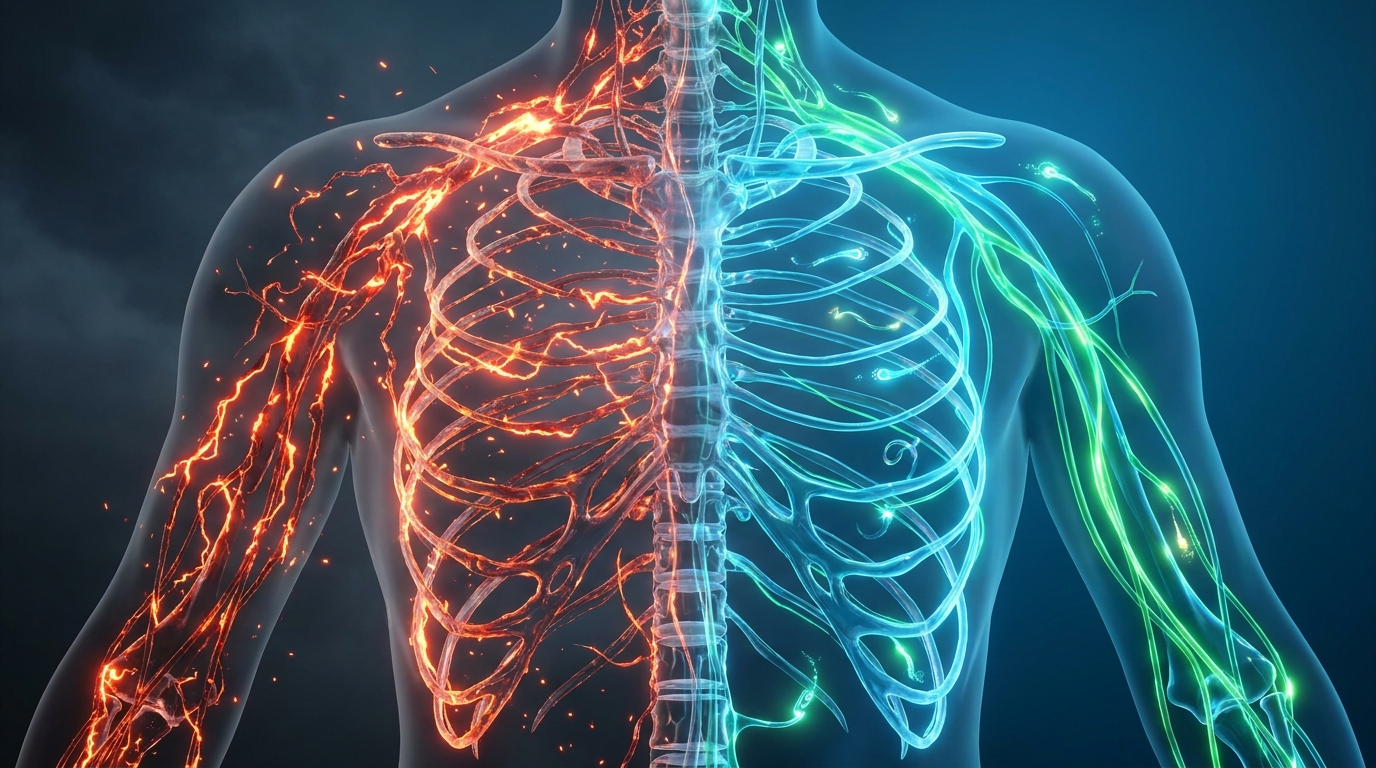
How to Heal Chronic Stress & Nervous System Symptoms
Unexplained headaches, extreme fatigue, and mysterious joint pain often send patients to multiple specialists without clear answers. These physical symptoms are frequently dismissed as psychological, leaving patients without functional outcomes or an accurate diagnosis. The reality is that, according to current medical consensus, prolonged tension structurally alters how your body regulates inflammation. If you feel physically sick when overwhelmed, your body is producing a measurable biological reaction to your environment.
This article is for educational purposes only and does not replace consultation with a qualified medical professional.
By the end of this guide, you will understand the exact biological mechanisms linking chronic stress and emotional strain to physical illness. This empowers you to seek an appropriate medical assessment with confidence. We will examine the nervous system’s stress response, outline the specific warning signs of systemic inflammation, and detail evidence-informed steps for the safe regulation of chronic stress in your daily life.
Key Takeaways
Chronic stress alters the nervous system and creates systemic inflammation, driving physical symptoms like mysterious pain and extreme fatigue.
- The Stress-Inflammation Feedback Loop: High cortisol triggers neuroinflammation, which further aggravates the nervous system.
- Physical Manifestation: Unmanaged emotional strain frequently causes measurable autonomic dysfunction.
- Actionable Interventions: Vagus nerve stimulation and somatic tracking offer evidence-informed tools for symptom regulation.
What Is the Stress Response?
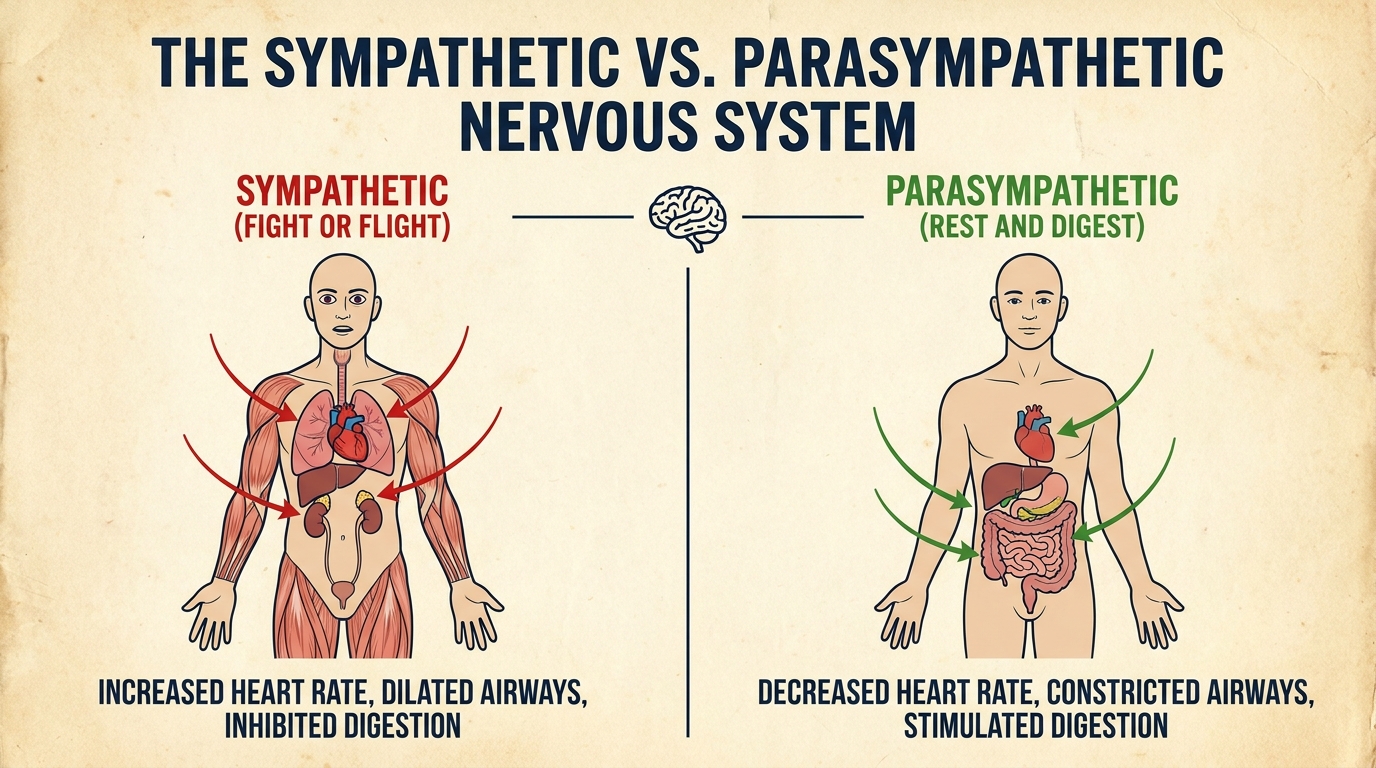
The body’s stress response is a deeply biological cascade, not just a psychological feeling. The Hypothalamic-Pituitary-Adrenal (HPA) axis serves as the body’s central command center for all threat responses. Managing over 40 distinct involuntary bodily functions, the autonomic nervous system splits into the sympathetic fight-or-flight mode and the parasympathetic rest-and-digest state (Stanford Medicine, 2023). This physiological mechanism dramatically alters heart rates, halts digestion, and rapidly prepares your body for immediate physical survival.
Stress vs. Anxiety Biology
Situational stress results from an external trigger, like a near-miss car accident. The HPA axis activates, helping you survive the immediate threat. Once the danger passes, your biology rapidly returns to a resting state. In contrast, anxiety involves internal, lingering worry even when you are completely safe. Anxiety, conversely, is an internal mechanism that anticipates danger, flooding your system with adrenaline even when you are sitting safely at home. Stanford Medicine’s research indicates that chronic nervous system overactivation creates distinct physiological changes compared to temporary situational worry (2023). While occasional stress is perfectly normal, the actual physical danger emerges when your body cannot return to baseline. Understanding the nuances of stress vs anxiety biology is the first step toward reclaiming your health.
Acute vs. Chronic Toxic Stress
When categorizing different types of stress, acute stress is short-term and highly adaptive for survival. However, long-term or chronic stress becomes severely maladaptive. Ongoing workplace tension or financial strain forces your nervous system to remain stuck in an activated state. This constant flooding of stress hormones actively degrades your biological resilience, making your cellular systems hyper-reactive to even minor, everyday inconveniences. This introduces The Stress-Inflammation Feedback Loop—a dangerous biological cycle where sustained cortisol (your primary stress hormone) triggers inflammatory immune proteins, which in turn further stress your central nervous system. Instead of protecting you, prolonged cortisol exposure actively damages healthy cellular tissue. Chronic stress activation overloads cellular capacity — rapidly exhausting the body’s natural resilience.
`
`
Caption: The sympathetic nervous system drives survival actions, while the parasympathetic system manages cellular repair.
Once chronic toxic stress takes hold, it stops being a purely mental phenomenon and begins to systematically break down physical health. Our health analysis team consistently observes that patients who ignore these early warning signs face longer recovery timelines.
How Chronic Stress Triggers Physical Symptoms
Chronic stress causes measurable physical illness by overwhelming the body’s inflammatory response. Constant exposure to cortisol causes the immune system to release inflammatory proteins called cytokines. Prolonged emotional stress directly suppresses immune function and triggers systemic inflammation, which physically manifests as cardiovascular strain and chronic pain (Johns Hopkins Medicine, 2023). This biological shift creates tangible physical ailments, proving that stress-induced pain is a physiological reality. Dismissing physical pain as merely psychological ignores the profound biological reality of systemic inflammation.
Cortisol & Inflammation Link
The link between emotion and physical pain begins directly with the HPA axis. When repeatedly activated, the HPA axis floods your bloodstream with cortisol. Over time, high cortisol prompts the release of cytokines, which promote inflammation. Harvard Medical School’s overview indicates that chronic stress disrupts the autonomic nervous system, leading to sustained elevated cortisol levels and systemic inflammation (2023). The Stress-Inflammation Feedback Loop damages healthy tissue continuously. When this inflammatory loop remains unbroken, patients often report that their pain moves unpredictably around their body, a hallmark sign of systemic immune overactivation. Persistent gut issues or severe chronic fatigue are direct consequences of this loop, not isolated medical mysteries. Cortisol exposure suppresses immune function — fundamentally altering how the body heals from daily cellular damage. This cellular inflammation translates into everyday discomforts that patients desperately struggle to explain to their primary care doctors.
Signs Stress is Making You Sick
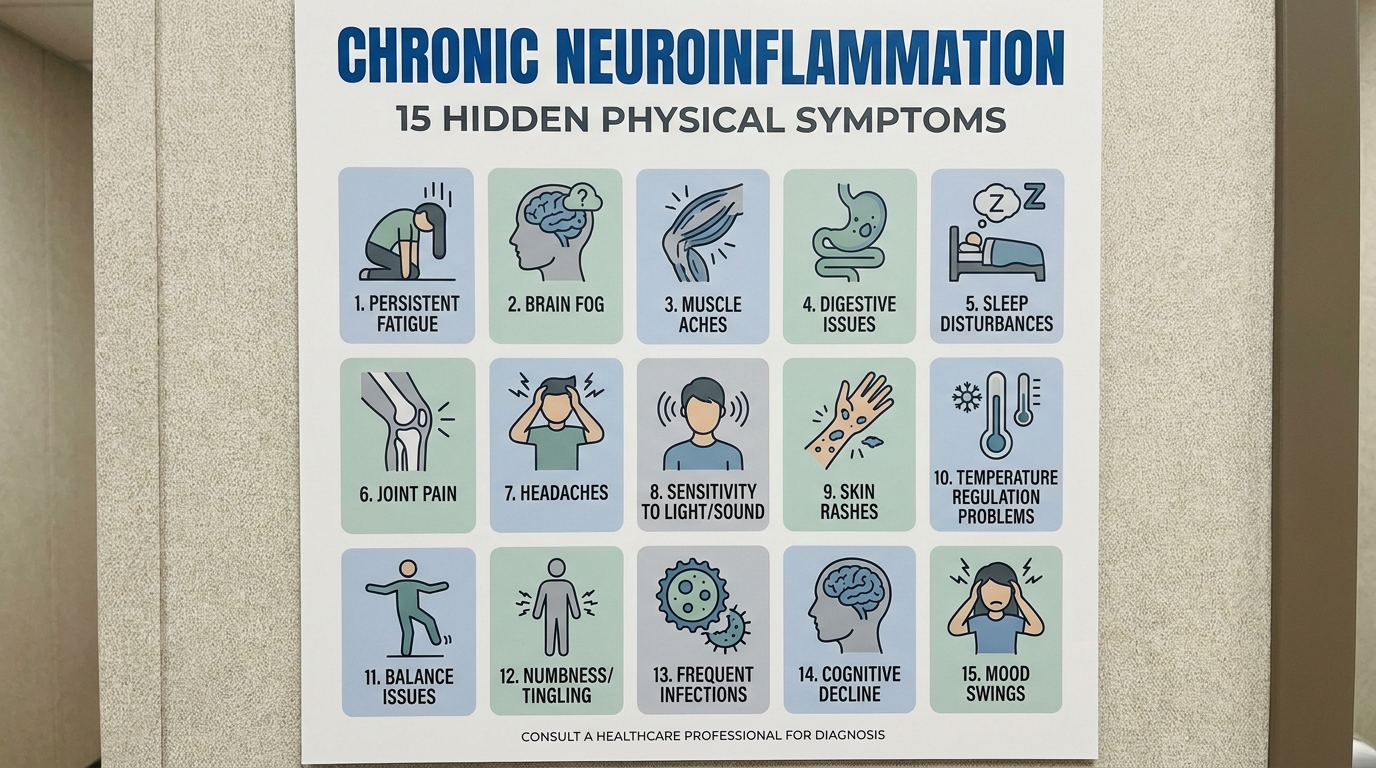
Are you wondering how to tell if stress is making you sick? Recognizing the physical symptoms of stress requires looking across multiple bodily systems to spot inflammatory warning signs. Musculoskeletal inflammation often presents as a stiff neck, persistent jaw tension, and unexpected joint pain without prior injury. Digestive signs include severe nausea or irritable bowel symptoms, while cognitive markers frequently manifest as profound brain fog. You might notice that your resting heart rate runs noticeably higher than normal or that you catch colds far more frequently than you used to. Headaches and extreme sleep deprivation are also prime indicators of stress symptoms. Clinical data shows that a vast majority of primary care visits present with underlying symptoms exacerbated by systemic stress and chronic inflammation.
`
`
Caption: Persistent physical symptoms often point directly to an overactive nervous system.
When these physical signs are ignored, generalized inflammation often escalates into clinical nervous system dysfunction.
Autonomic System Dysfunction
When subjected to years of chronic stress, your autonomic nervous system can clinically break down. This dysfunction means your biology struggles to maintain necessary homeostasis. Dysautonomia occurs when the autonomic nervous system fails to properly regulate heart rate, blood pressure, and digestion, frequently presenting as extreme fatigue and rapid heart rates (NINDS, 2023). Global epidemiological data indicates that various forms of dysautonomia affect millions of individuals worldwide, driven in part by prolonged systemic stress. Securing an accurate clinical diagnosis for dysautonomia is essential, as willpower alone cannot repair structural nerve dysfunction.
The Exhausted Nervous System
An overactive nervous system leaves you constantly alert, anxious, and hyper-vigilant. However, an exhausted nervous system crashes entirely, perfectly mirroring chronic fatigue syndrome symptoms. This progression is your body’s protective mechanism attempting to force a physiological shutdown after prolonged periods of intense inflammation. The patient experience is frequently described as feeling “tired but wired.” Sleep feels impossible despite overwhelming physical exhaustion. According to the clinical definition of dysautonomia, the National Institute of Neurological Disorders and Stroke defines this breakdown as causing symptoms like extreme fatigue that are worsened by stress (2023). Patients frequently experience orthostatic intolerance, where simply standing up causes a dramatic spike in heart rate because the exhausted nerves cannot constrict blood vessels efficiently. Exhausted nervous system symptoms are a severe medical warning that your body has depleted its regulatory reserves entirely.
Autonomic System Testing
Formal autonomic nervous system testing evaluates nerve function to identify distinct autonomic nervous system disorders. Doctors commonly utilize tilt table tests to check heart rate adjustments upon standing, alongside quantitative sweat tests to measure specific nerve responses. During these diagnostic appointments, neurology specialists look for specific, quantifiable biomarkers of structural nerve failures rather than relying solely on subjective reports of generalized exhaustion. To secure positive functional outcomes, patients must prepare for neurology appointments with detailed symptom journals and realistic expectations regarding their treatment timelines. Rather than assuming profound fatigue is an untreatable character flaw, you should proactively request a suitability assessment from a specialist. This critical testing distinguishes structural autonomic failures from generalized exhaustion. Dysautonomia halts basic physiological homeostasis — transforming automatic bodily functions into exhausting daily challenges.
Neuroinflammation and Mental Health
Chronic neuroinflammation fundamentally alters brain chemistry, severely worsening symptoms of existing mental health disorders. When the immune system releases inflammatory cytokines into the brain, neurotransmitter production shifts abruptly. Neuroinflammation directly alters dopamine and serotonin pathways, exacerbating symptoms of existing mental health conditions like ADHD and depression (Stanford Medicine, 2023). This biological change can perfectly mimic psychiatric distress, frequently amplifying OCD symptoms alongside general anxiety. Recognizing that mental distress has physical, inflammatory roots prevents patients from unnecessarily blaming themselves for their cognitive struggles.
Inflammation, ADHD, and PTSD
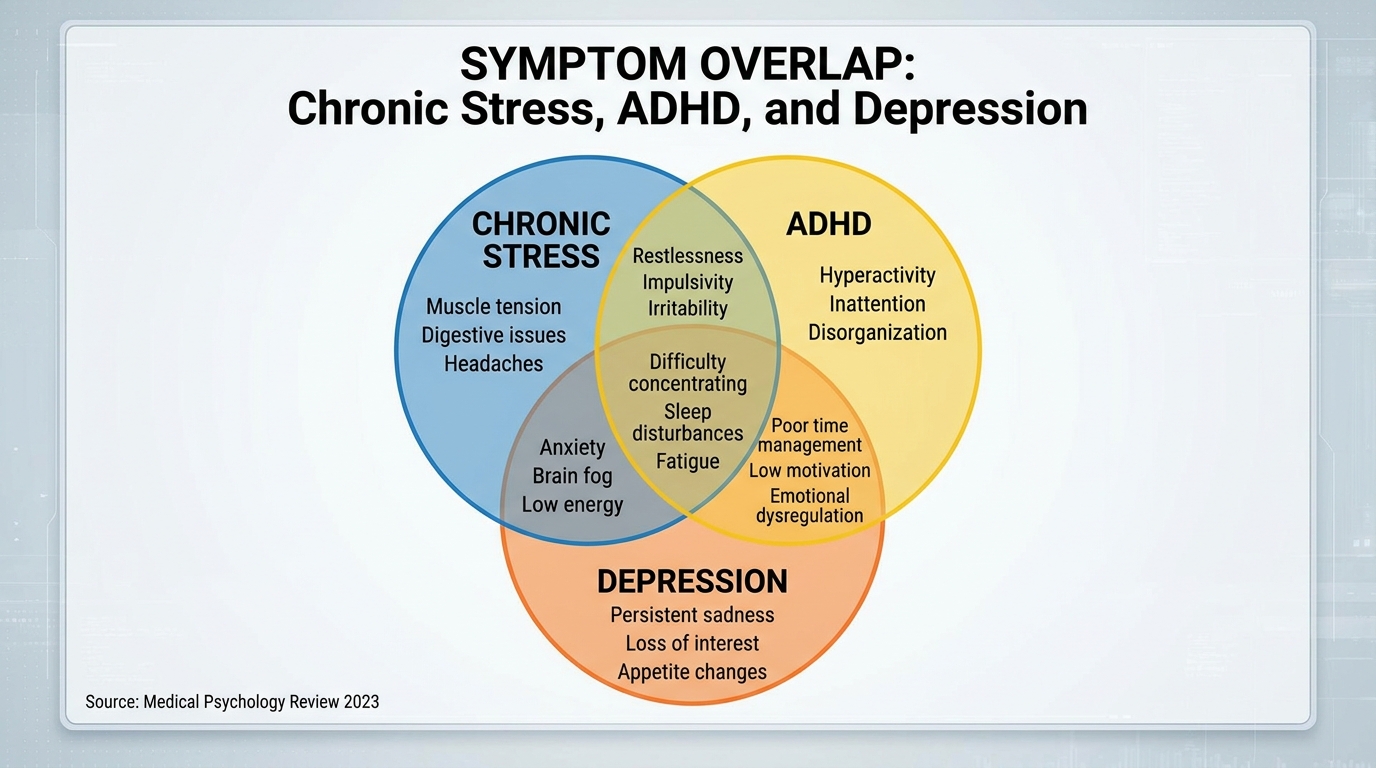
An inflamed nervous system heightens sensory overload and dramatically impairs executive dysfunction. This biological strain makes ADHD symptoms far more pronounced and significantly harder to manage. Individuals with normally well-managed ADHD might suddenly experience severe brain fog or task paralysis exclusively during periods of high physiological stress. Furthermore, post traumatic stress disorder and symptoms connect directly to severe autonomic dysregulation. Individuals with complex trauma often find their nervous systems perpetually bracing for impact, keeping the body locked in survival mode and making emotional regulation physiologically impossible. With complex trauma, the brain cannot exit the fight-or-flight state, perpetuating continuous systemic inflammation.
`
`
Caption: Systemic neuroinflammation acts as an amplifier for existing neurodevelopmental and trauma-based conditions.
This inflammatory impact is equally profound in mood disorders, reshaping how the modern medical community views prolonged sadness.
Cytokine Theory of Depression
Historically, depression was viewed strictly as a chemical imbalance. Today, the current cytokine theory of depression highlights the undeniable immune-brain connection. This framework explains why depression so frequently co-occurs with autoimmune disorders and chronic pain syndromes, as the body attempts to force rest to preserve biological energy. High inflammation triggers sickness behavior, an evolutionary mechanism where immune activity induces intense fatigue and social withdrawal to force physical rest. This differentiates situational sadness from biologically driven chronic depression stemming directly from neuroinflammation. Severe anxiety symptoms frequently accompany this physical inflammation, acting as an urgent warning signal from your neuro-immune network. Attempting to treat these complex neurological states with medications introduces another variable entirely, especially if your clinical treatment abruptly changes or ceases.
Medication Withdrawal and Nervous Systems
Medication withdrawal acts as a profound chemical stressor that can temporarily destabilize your central nervous system. Rapid discontinuation of psychiatric prescriptions forces your brain to aggressively recalibrate its active neurotransmitters. The discontinuation of SSRI medications can trigger profound nervous system dysregulation, creating physiological symptoms that mimic acute neurotoxicity (NIH, 2021). This physiological shock guarantees physical instability. Navigating pharmaceutical changes without medical supervision frequently results in compounding the systemic inflammation you are actively trying to heal.
Toxicity & Chemical Stressors
Chemical imbalances act as massive systemic stressors on the human body. Serotonin toxicity—a dangerous condition caused by excess nervous system serotonin—is a prime clinical example. This requires immediate medical attention. When neurotransmitter levels fluctuate wildly during rapid dosage adjustments, the body responds as if under acute physical attack, creating intense, involuntary bodily distress and cognitive confusion. These stressors severely tax your autonomic nervous system, stripping away its essential regulatory abilities. Physical signs like extreme muscle rigidity, unexplained high fevers, and profound cognitive confusion are clear serotonin toxicity symptoms indicating the bodily system is dangerously overwhelmed. Mechanistically, this occurs when excess serotonin overstimulates central and peripheral neural receptors, leading to severe neuromuscular hyperactivity and life-threatening autonomic instability. Even under properly supervised conditions, standard tapering can cause significant systemic distress.
Safe SSRI & Stimulant Tapering
Antidepressant discontinuation syndrome occurs when abrupt SSRI withdrawal shocks your body’s baseline chemistry. Clinical data published by the NIH regarding nervous system dysregulation caused by SSRI discontinuation indicates that withdrawal can present physiological symptoms mirroring prolonged somatic stress (2021). A carefully constructed tapering schedule, uniquely individualized to your metabolic rate, is essential to minimize this physical shock. Never adjust psychiatric medications without direct medical oversight. Similarly, rapid stimulant withdrawal causes massive dopamine and cortisol crashes that require time to stabilize. Any pharmaceutical transition requires strict monitoring and reassessment by a doctor to ensure patient safety. Never adjust psychiatric medications independently. Whether dealing with intense withdrawal symptoms or chronic emotional strain, actively regulating the nervous system is completely required to heal inflammation.
Actionable Steps for Stress Management
Reversing systemic inflammation requires actively shifting the nervous system from fight-or-flight back to rest-and-digest. Somatic, body-based interventions signal deep safety to the brain, directly lowering harmful cortisol output. Targeted vagus nerve stimulation through diaphragmatic breathing significantly reduces inflammatory cytokine production, serving as a critical neuroimmune regulator (NIH, 2018). This intentional physiological reset actively halts cellular inflammation. Implementing these stress management techniques daily is a proven methodology for restoring physical resilience.
“
Somatic Exercises & 3-3-3 Rule
In our review of evidence-based clinical health protocols, we observe that grounding techniques quickly halt acute panic episodes. The 3-3-3 rule is highly effective for immediate stress management: name three things you see, identify three sounds you hear, and intentionally move three parts of your body. By shifting your focused attention to concrete sensory inputs, you effectively short-circuit the brain’s panic loop and prevent sympathetic overdrive from accumulating in your deep tissues. Furthermore, somatic tracking helps you observe physical pain objectively without panicking, effectively starving the Stress-Inflammation Feedback Loop of the fear it needs to continue. Integrating these stress management techniques for anxiety directly into your workday prevents sympathetic overdrive from accumulating in your tissues.
`

`
Caption: A structured nervous system reset stops cortisol production before cellular inflammation begins.
While mental grounding halts panic, physical breathing techniques directly manipulate the nervous system’s hardware.
Vagus Nerve Breathwork
Deep, slow breathing mechanically stimulates the vagus nerve, the primary neural pathway controlling parasympathetic relaxation. Clinically proven parasympathetic breathing exercises from the U.S. Department of Veterans Affairs demonstrate that diaphragmatic breathing effectively lowers heart rate and systemic stress markers (2023). By utilizing prolonged exhales—making your out-breath twice as long as your in-breath—you force your heart rate to physically slow down. NIH research on vagus nerve stimulation confirms this significantly reduces inflammatory cytokine production (2018). Practicing these prolonged exhalations for just five minutes a day can measurably improve your heart rate variability, which is a critical clinical marker of nervous system resilience. Using deep breathing consistently improves your daily quality of life and long-term functional outcomes. While these lifestyle tools are incredibly powerful, severe physical symptoms always warrant professional medical oversight.
Safety Precautions and Limitations
Self-management of stress has strict clinical limitations that every patient must respect. You must seek immediate expert help in two specific scenarios. First, when profound fatigue prevents basic daily functioning, this indicates potential clinical dysautonomia rather than standard burnout. Second, when medication withdrawal symptoms become physically intolerable, risking severe neurochemical instability.
Natural lifestyle interventions cannot magically fix structural autoimmune diseases. You must request a formal suitability assessment from a neurologist or rheumatologist to rule out primary autoimmune conditions before assuming your symptoms are purely stress-induced. For highly complex cases, consult the Mayo Clinic or similar specialized institutions for comprehensive diagnostics. This article is for educational purposes only and does not replace consultation with a qualified medical professional. Ensure that any new somatic practice is safely compatible with your existing medical history.
Frequently Asked Questions
How to tell if stress is making you sick?
You can tell stress is making you sick if you experience persistent physical symptoms like unexplainable muscle tension, chronic digestive issues, or extreme fatigue without a clear medical cause. These symptoms result from prolonged cortisol exposure triggering systemic neuroinflammation throughout the body. Unmanaged stress consistently degrades immune function, making you highly susceptible to frequent viral infections. Documenting these physical patterns alongside your emotional state helps identify the true root cause. Always consult a qualified clinician to rule out primary medical conditions.
What does stress inflammation feel like?
Stress inflammation feels like a heavy, whole-body ache accompanied by profound lethargy, brain fog, and stiff joints. Because chronic stress forces the immune system to release inflammatory cytokines, the body precisely mimics the physical sensations of fighting a severe flu. Sufferers frequently report tension headaches and gastrointestinal distress that worsen noticeably during high-pressure situations. This physical discomfort is a measurable biological response, not an imagined psychological symptom. Proper medical evaluation is required to measure specific inflammatory markers.
Conclusion
For individuals suffering from unexplained fatigue and pain, chronic stress structurally damages the nervous system over time. Elevated cortisol creates measurable systemic inflammation that heavily disrupts your physical health and daily functionality (Harvard Medical School, 2023). The safest approach combines a formal medical assessment with somatic nervous system regulation.
Disrupting the Stress-Inflammation Feedback Loop is critical for true functional recovery. By intentionally lowering cortisol through physical regulation techniques, patients can reliably halt the cycle of inflammatory cytokine production and fully reclaim their quality of life.
Begin by documenting your physical symptoms to present to a physician. Discuss these specific patterns with a qualified clinician to determine the necessity of a formal neurological or autoimmune suitability assessment. Do not wait for symptoms to become unbearable—schedule an appointment with your healthcare provider today to start your recovery journey.