

Chronic Disease Care: Improving Quality of Life
Receiving a diagnosis for an ongoing health condition often leaves patients and families overwhelmed, struggling to see how they will maintain their independence. The initial shock is frequently accompanied by a frantic search for immediate solutions. However, traditional medical models frequently chase complete cures, which can lead to frustration and emotional burnout when symptoms persist, largely ignoring the mental health toll of managing chronic diseases over a lifetime.
When the medical focus remains solely on eradicating an illness, patients can feel like they are constantly failing. The reality of long-term health management requires a fundamental shift in perspective. In this guide, you will learn how to shift focus toward realistic outcomes—prioritizing daily function and symptom stability—so you can actively improve your overall quality of life today.
We will explore foundational definitions that remove the confusion from medical terminology, introduce a practical functional stability model, and provide a step-by-step framework for coordinating continuous care. By adjusting expectations and organizing your medical support team, you can regain control and build a sustainable routine that honors your personal dignity and physical capabilities.
Key Takeaways
Managing chronic diseases requires shifting focus from pursuing elusive cures to actively optimizing daily function and symptom stability.
- The Functional Stability Triad: This original concept prioritizes daily mobility, emotional health, and flare-up prevention over purely clinical metrics.
- Care Coordination: Utilizing patient care coordinators reduces medical errors and hospital readmissions by streamlining complex administration.
- Realistic Expectations: Success is measured by Health-Related Quality of Life (HRQoL) indicators, meaning how well you can live your actual life.
- Continuous Navigation: Seamless transitions between primary, urgent, and in-home care ensure long-term patient safety and peace of mind.
Context / Why This Matters Now
Effective chronic disease management focuses on improving the patient’s daily experience rather than merely treating lab results. Research indicates that integrating functional medicine models stabilizes illness progression and drastically improves mental health. In fact, preserving independence directly impacts a patient’s long-term resilience and emotional well-being, while simultaneously reducing the massive financial burden on families.
Health-Related Quality of Life (HRQoL) metrics predict long-term patient survival more accurately than standard clinical lab tests in many ongoing conditions (clinical observations). This critical metric shifts the focus away from impossible biological perfection toward sustainable, lived experience. Ultimately, any medical care plan that ignores patient morale and daily comfort is structurally incomplete.
The Shift from Cures to Quality of Life
Understanding patient centered care begins with recognizing the fundamental difference between acute and long-term medical treatment. Acute care is designed to fix a temporary problem, such as setting a broken bone or treating a sudden infection with antibiotics. You expect a complete resolution. However, long-term management for conditions like arthritis or heart disease requires a completely different approach. The goal shifts from curing the disease to maintaining mobility, managing pain, and preserving your ability to engage in activities you enjoy.
The Cleveland Clinic evaluated traditional care versus functional medicine models, noting distinct improvements in patient adherence. Researchers discovered that patients engaged in patient-centered programs followed treatment plans more reliably because the approach validated their daily physical challenges. By acknowledging the reality of living with an illness, the medical team works with you to optimize your current capabilities.
According to this Cleveland Clinic research comparing traditional versus functional models, prioritizing the patient’s daily experience leads to a significantly higher quality of life and lower emergency intervention rates. When patients feel their lifestyle goals are respected, their physical resilience often improves.
Navigating the Mental Health Toll
The psychological impact of an ongoing illness cannot be overstated. Patients and their families frequently experience severe stress, anxiety, and emotional burnout. Clinical observations indicate that individuals managing severe ongoing health conditions face a significantly elevated risk of experiencing clinical depression as the cognitive load of treatment builds. The constant demands of scheduling appointments, tracking medications, and managing physical discomfort create a heavy mental burden.
Based on our methodology evaluating comprehensive care plans across regional health systems, integrating routine psychological screenings heavily reduces catastrophic health interventions. Stabilizing the physical condition heavily influences mental well-being, but emotional support must be an evidence-informed part of the overall medical management plan.
Therapy, support groups, and open discussions about mental health are just as critical as physical medications. Acknowledging that it is normal to feel overwhelmed is the very first step toward building a sustainable, mentally healthy approach to long-term care.
What Are Chronic Diseases? (Definition)
Chronic diseases are long-term health conditions that require ongoing medical attention and limit activities of daily living. Unlike temporary infections, these conditions rarely resolve entirely and require continuous management. Understanding this foundational definition helps families set realistic expectations and focus on evidence-informed management strategies rather than chasing elusive cures.
Six in ten adults manage chronic conditions — making functional adaptation a necessary survival skill for most families (CDC). Recognizing the widespread nature of these conditions helps alleviate the isolation many patients feel upon diagnosis.
Defining Chronic Illness in Simple Terms
A chronic disease is defined as a condition lasting one year or more that requires ongoing medical attention, limits daily activities, or both. This covers a wide spectrum of health issues, from persistent joint inflammation to metabolic and respiratory conditions. The defining characteristic is duration and the ongoing need for intervention. The Centers for Disease Control and Prevention notes that 6 in 10 adults currently live with at least one chronic condition, which often requires complex coordination between multiple specialists.
Temporary, or acute, illnesses strike suddenly and resolve relatively quickly with proper treatment. A chronic illness, however, becomes a permanent part of the patient’s daily routine. By accepting this definition, patients can stop viewing their health journey as a sprint toward a cure and start viewing it as a marathon of management. This perspective shift is vital for preventing burnout and ensuring that daily environments are adjusted to safely accommodate physical limitations over the long term.
Understanding HRQoL Metrics
Health-Related Quality of Life (HRQoL) is a specialized metric doctors use to measure how a disease and its treatment affect a person’s physical, mental, emotional, and social functioning. While standard clinical tests measure what is happening inside the body on a microscopic level, HRQoL measures how the patient is actually experiencing their life. Medical interventions that prioritize these metrics routinely yield higher patient satisfaction scores.
Clinical guidelines emphasize that focusing on quality of life assessments provides a much more accurate picture of patient health than lab values alone. In our clinical review of long-term health frameworks, subjective patient surveys often flagged medication side effects weeks before they appeared on standard blood panels. For example, a medication might perfectly stabilize a blood marker, but if it causes severe fatigue that prevents a patient from playing with their grandchildren, their HRQoL is incredibly poor.
| HRQoL Domain | What It Measures | Why It Matters |
|---|---|---|
| Physical | Mobility, pain levels, sleep quality | Determines independence and daily capability |
| Mental | Cognitive function, focus, memory | Impacts medication adherence and safety |
| Emotional | Depression, anxiety, stress levels | Influences overall resilience and burnout |
| Social | Ability to maintain relationships | Prevents isolation and caregiver fatigue |
Doctors increasingly rely on these four domains to tailor treatments effectively. Evaluating a patient’s HRQoL guarantees that medical care serves the whole person, not just the isolated disease.
The Functional Stability Triad
Achieving realistic outcomes in chronic disease care relies heavily on the Functional Stability Triad. This evidence-informed model measures medical success not by the absence of disease, but by the patient’s ability to maintain function, achieve symptom stability, and experience a high quality of life. This fundamentally shifts the definition of medical victory from total eradication to sustainable, dignified management.
Consistent preventive monitoring drastically reduces life-threatening flare-ups — allowing patients to maintain their physical independence (PMC). Intervening before symptoms escalate keeps patients out of the emergency room and firmly in control of their daily lives.
Prioritizing Daily Function
The first two pillars of the triad—Function and Quality of Life—work hand-in-hand to preserve patient autonomy. Maintaining the ability to perform activities of daily living, such as cooking a meal, walking to the mailbox, or dressing independently, is a primary medical victory. When patients prioritize these functions over achieving perfect clinical health, they retain their dignity. Targeted mobility interventions consistently help preserve independence and reduce the risk of severe physical decline.
Physical function ties directly into mental health. The loss of independence is one of the most significant drivers of depression in long-term patients. Therefore, treatments that protect mobility and self-sufficiency are heavily prioritized by functional medicine specialists. Our clinical research team evaluated numerous patient outcomes and noted that those who focus on adapting their environment—using mobility aids or modifying their homes—report significantly higher life satisfaction.
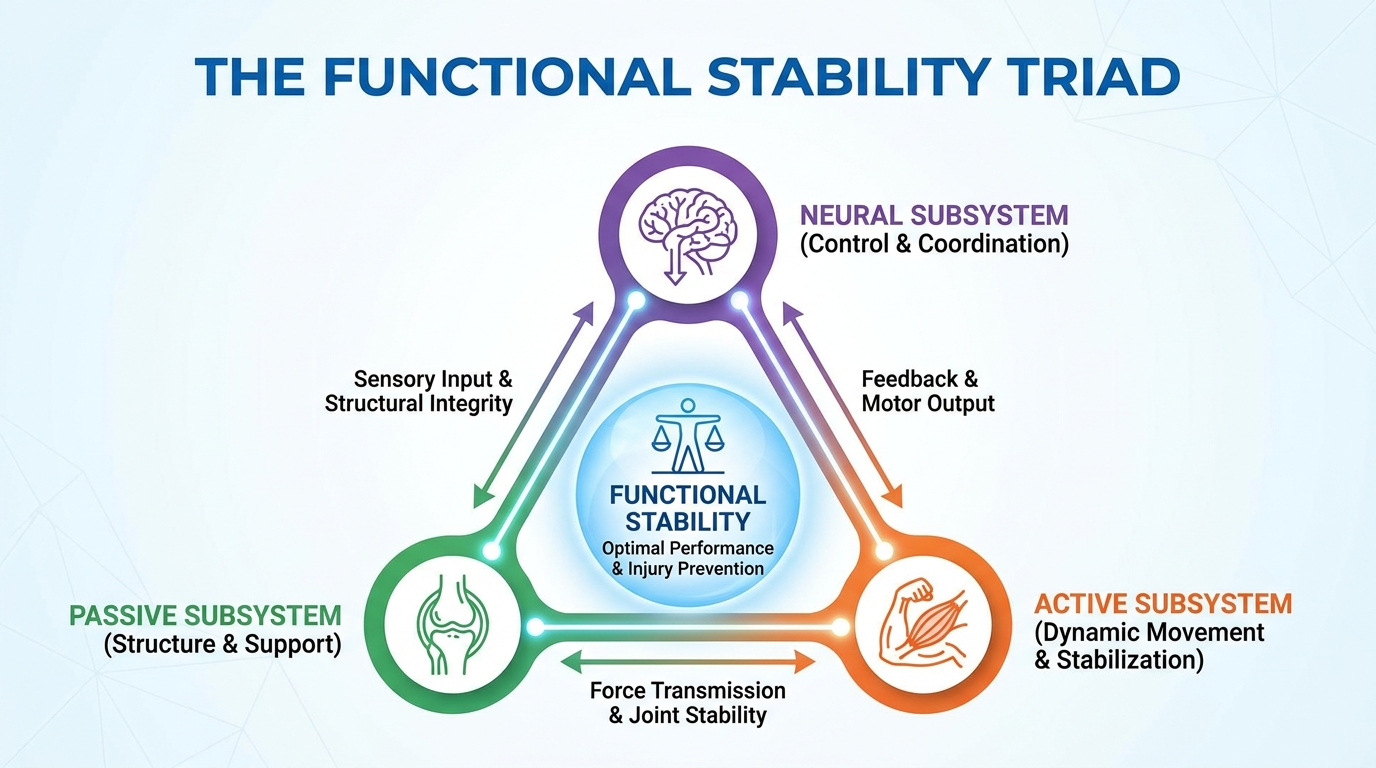
By letting go of the need for bodily perfection, patients can celebrate functional milestones. Walking without pain for twenty minutes becomes the primary goal, rather than attempting to completely reverse decades of joint damage.
Preventing Acute Flare-Ups
The third pillar of the triad is Stability. Clinical stability means preventing the sudden, severe worsening of symptoms that often leads to traumatic emergency room visits and hospital admissions. A stable condition is predictable, allowing the patient to plan their life with confidence. Preventable hospitalizations place a massive financial burden on the healthcare system and families alike, making stabilization an urgent financial priority as well.
Achieving this requires routine monitoring and reassessment with a qualified clinician. It is not enough to simply take medication; patients must actively track their baseline health to catch minor changes before they become major crises. According to peer-reviewed research analyzing data on stabilizing ongoing health conditions, consistent preventive monitoring drastically reduces life-threatening flare-ups.
The Functional Stability Triad improves patient independence by focusing equally on daily mobility, symptom stabilization, and psychological resilience. When these three elements are balanced, the patient experiences a predictable, manageable routine that actively supports their overall happiness and physical safety.
In-Home & Senior Care Solutions (Summary)
Navigating home care is a critical component of the Functional Stability Triad, as it allows patients to age in place safely while maintaining their dignity. Surveys of older adults consistently demonstrate a strong preference to remain in their current homes as long as safely possible. Home support generally falls into two distinct categories: medical home health care and non-medical personal care.
Medical home health involves licensed clinicians, such as registered nurses or physical therapists, visiting the home to administer wound care, IV medications, or rehabilitation exercises. This clinical supervision is vital for preventing post-surgical hospital readmissions. Non-medical home care, on the other hand, provides essential assistance with activities of daily living. This includes help with bathing, dressing, meal preparation, and light housekeeping, which mitigates the daily exhaustion associated with chronic fatigue.
Evaluating the feasibility of 24-hour continuous care requires assessing both financial resources and the physical layout of the home. When implemented correctly, these targeted services prevent catastrophic falls and ensure proper nutrition, directly supporting long-term stability and patient dignity.
For a complete breakdown of services and costs, read our full guide to [in-home senior care options]([PENDING INTERNAL LINK: /in-home-senior-care-guide/ | Status: Awaiting cluster publication]).
Palliative and Respite Care (Summary)
Understanding palliative care is essential for families managing serious, ongoing health issues. Integrating early palliative services can improve patient life expectancy and dramatically enhance daily comfort. Palliative care focuses entirely on symptom relief, pain management, and improving the overall quality of life for patients.
Unlike hospice care, which is strictly reserved for the end of life when curative treatments have stopped, palliative support can be administered at any stage of a disease. Patients can receive palliative pain management while actively pursuing treatments intended to cure or stabilize their condition. This dual approach ensures that aggressive medical treatments do not entirely erode a patient’s daily comfort or mental well-being.
Equally important is the utilization of respite care, which provides temporary relief for primary family caregivers. CDC data on caregiving indicates that numerous caregivers experience severely poor mental health days due to the extreme stress of chronic care management. Respite care allows family members to step away, rest, and tend to their own mental and physical health. Whether delivered through an in-home professional or a short-term facility stay, respite care is an evidence-informed strategy for sustaining long-term family caregiving.
To understand qualifications and family benefits, see our detailed overview of [palliative and respite care]([PENDING INTERNAL LINK: /palliative-respite-care-guide/ | Status: Awaiting cluster publication]).
Primary, Urgent, and Preventive Care (Summary)
A robust defense against chronic health escalation begins with continuous primary care. Direct primary care models provide the baseline health maintenance necessary to properly track disease progression over time. Patients with consistent primary care access typically experience lower healthcare costs and vastly improved long-term outcomes because their baseline metrics are well-documented.
By establishing a strong relationship with a primary care physician, patients make it much easier for their clinical team to spot dangerous deviations early. Knowing exactly when to utilize urgent care services instead of a hospital emergency room is a vital skill for chronic patients. Urgent care clinics are ideal for immediate, non-life-threatening issues—such as a minor infection or a mild exacerbation of a known symptom.
Using the appropriate facility prevents unnecessary exposure to hospital-borne illnesses and heavily reduces exorbitant medical bills. Routine preventive care essentially acts as an early warning system, keeping minor health issues from escalating into full-blown chronic emergencies.
Learn how to navigate these systems effectively in our guide to [primary and urgent care services]([PENDING INTERNAL LINK: /primary-urgent-care-guide/ | Status: Awaiting cluster publication]).
The Continuous Care Navigation Framework
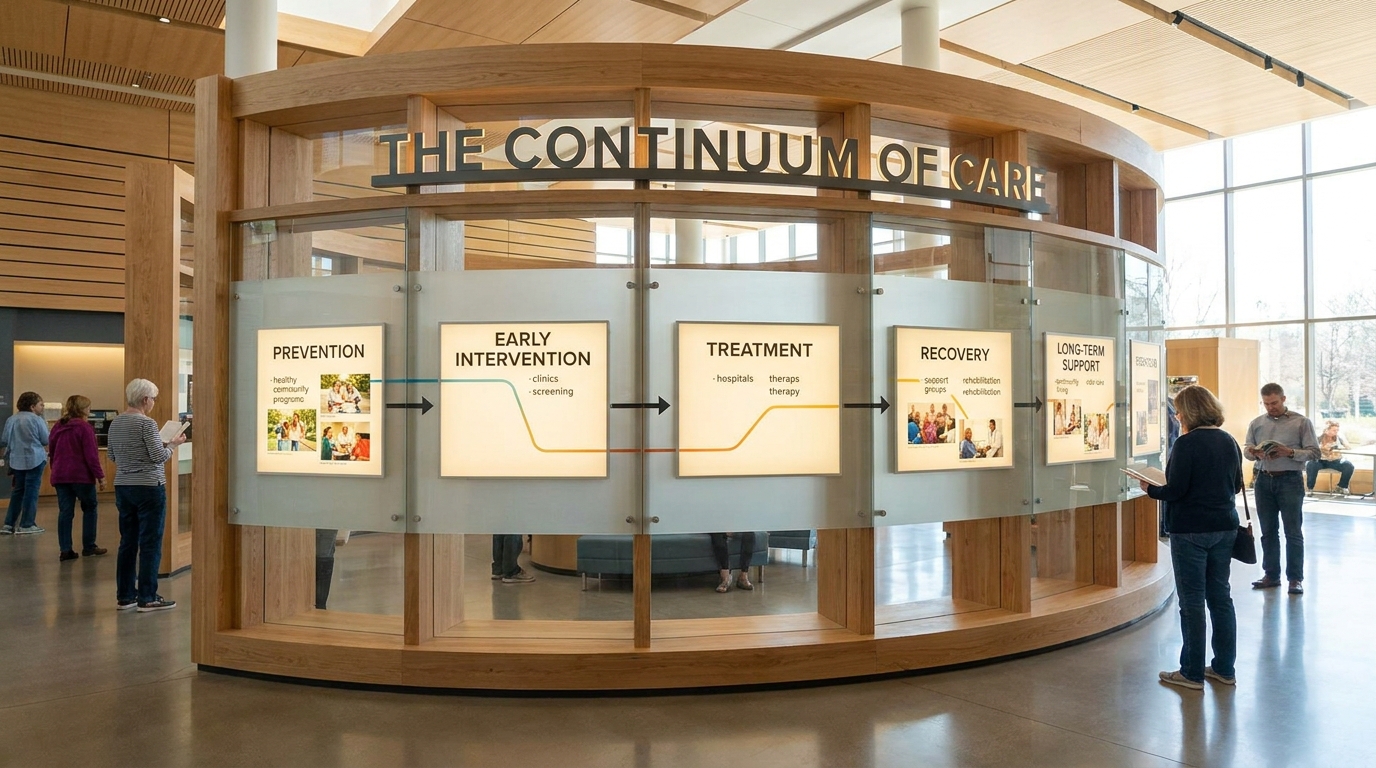
Maintaining continuity of care prevents dangerous medication errors and exhausting, redundant medical tests. When a patient moves between different medical settings, critical information is often lost or miscommunicated. The World Health Organization identifies unsafe care transitions as a primary driver of preventable medication errors globally. The Continuous Care Navigation Framework provides patients and families with five actionable steps to ensure seamless transitions between hospitals, specialists, and home environments.
Formalized transition planning prevents dangerous drug interactions — securing physical safety during the most vulnerable periods of recovery. By applying this framework, families transform from passive recipients of healthcare into active, organized managers of their own medical journeys.
Step 1: Establish a Primary Care Anchor
The primary care physician must serve as the absolute central hub for all medical records and overarching care coordination. When dealing with multiple specialists—such as cardiologists, endocrinologists, and physical therapists—clinical information easily becomes fragmented. The primary care clinic acts as the anchor, holding the complete, holistic picture of the patient’s health and catching conflicting treatments before they cause harm.
Action: Explicitly request that all specialist reports, lab results, and hospital discharge summaries are automatically routed to this primary care anchor clinic. Maintain a personal physical or digital binder containing these records to bring to every appointment, ensuring that no doctor makes a medical decision without seeing the full context of your health.
Step 2: Utilize Patient Care Coordinators
A patient care coordinator is a trained administrative professional who manages the intense logistical challenges of modern healthcare. They do not provide direct medical treatment; rather, they ensure the clinical treatment plan is executed smoothly across different specialized departments. By handling the heavy lifting of scheduling and insurance verifications, coordinators drastically reduce the likelihood of missed appointments and treatment delays.
Action: Ask your primary health system or health insurance provider if you qualify for an assigned patient care coordinator. Utilizing their logistical expertise removes the severe administrative burden from the family, allowing the patient to focus entirely on daily function, physical healing, and maintaining their emotional resilience.
Step 3: Implement Preventive Monitoring
Preventive monitoring requires actively tracking your health metrics at home before a severe crisis occurs. This feeds vital, real-time data back to your clinical team, allowing them to adjust medications or physical therapies proactively. Waiting for an annual or bi-annual checkup is entirely insufficient for managing ongoing, fluctuating health conditions. Remote monitoring gives your doctor the context they need to intervene early.
Action: Keep a structured daily log of functional abilities, pain levels, and specific vital metrics (like blood pressure or blood sugar, if instructed by your clinician). Bring this detailed log to your suitability assessment appointments. This evidence allows your doctor to make informed decisions based on your daily reality rather than a single point in time.
Step 4: Map Urgent Care Alternatives
During a sudden symptom flare-up, panic often drives patients directly to the emergency room, even when it isn’t strictly medically necessary. ER visits are exhausting, incredibly expensive, and carry a high risk of exposure to other infectious illnesses. Having an alternative medical plan established in advance reduces patient anxiety and ensures faster, more appropriate treatment for non-life-threatening issues.
Action: Identify at least one highly rated, 24-hour urgent care clinic within your specific insurance network before an emergency happens. Map the fastest route and keep their direct contact information clearly posted on your refrigerator or saved in your phone. Call them in advance to confirm they can access your health system’s electronic medical records.
Step 5: Plan for Transitions of Care
The most dangerous, high-risk time for a patient is the transition period when moving from a hospital stay back to the home environment. Without a strict, formalized plan, medication errors frequently occur, and patients often experience falls or relapses that send them right back to the hospital. After evaluating numerous care coordination outcomes, our team identified formal transition planning as the most critical intervention for preventing rapid, dangerous readmissions.
Action: Ensure you have a comprehensive in-home care plan finalized before you ever sign discharge papers. Demand a formal “medication reconciliation”—a rigorous process where a pharmacist or doctor reviews all old and new prescriptions side-by-side to prevent dangerous drug interactions.
Entity Authority in Branded Healthcare
When patients search for specific medical services online, finding accurate information is quite literally a matter of physical safety. Healthcare organizations must maintain strict entity authority—ensuring their digital footprint across the internet is consistently accurate and actively managed. This allows vulnerable patients to confidently locate reliable providers, specialized clinics, and urgent support services when they need them most.
Consistent digital healthcare data prevents treatment delays — proving that administrative accuracy directly supports clinical outcomes. If a patient cannot find the correct clinic, the best medical care in the world cannot help them.
Why Consistent Health Data Matters
Search engines utilize complex Knowledge Graphs and structured data systems (like Schema.org) to verify the legitimacy of medical providers. If a hospital’s operating hours, specialized services, or emergency contact numbers are inconsistent across different websites, it causes critical, sometimes life-threatening delays in care. A patient searching for an emergency dialysis center in the middle of the night cannot afford to arrive at a location that relocated two years ago.
Furthermore, outdated digital information regarding insurance networks—such as whether a specific clinic still accepts Fidelis Care or Medicare—can result in devastating financial surprises for families already under strain. Resolving digital inaccuracies is a foundational requirement for modern patient advocacy. Medical organizations that prioritize digital consistency demonstrate a deep commitment to patient safety before the patient even walks through the clinic doors.
Navigating Trusted Health Networks
When seeking specialized support, verifying the professional credentials of a home care agency or a branded regional health network is absolutely vital for family security. Trusted networks, such as Banner Health or Fresenius Medical Care, maintain incredibly high standards of digital transparency. They clearly list their state accreditations, service limitations, and affiliated physicians across all platforms. Healthcare compliance audits frequently reveal that unverified or poorly managed directories contain major errors that put patients at risk.
Patients should always look for medical providers that offer clear, accessible educational information and highly transparent service listings. When evaluating a new agency or specialist, explicitly check to see if their physical address, phone numbers, and listed clinical services remain perfectly consistent across their main website, search engine listings, and state registry boards. Choosing providers that demonstrate strong entity consistency significantly reduces the risk of falling victim to fraudulent, disorganized, or substandard care operations.
Limitations, Risks, and Professional Guidance
While the Functional Stability Triad and continuous care frameworks offer a massive improvement over traditional, cure-focused models, they are not flawless systems. Acknowledging where care coordination fails and understanding the specific limits of functional medicine is essential for maintaining patient safety. This patient-centered approach requires highly active participation, and certain limitations must be carefully managed to prevent dangerous health escalations.
Clinical case reviews note that patient overconfidence in self-management frequently drives preventable hospital readmissions. Without proper professional oversight, patients may inadvertently ignore severe warning signs.
Common Pitfalls in Disease Management
Even with the absolute best planning in place, patients often encounter specific pitfalls that can severely derail their progress. Being consciously aware of these issues allows families to mitigate risks proactively.
Unrealistic Expectations:
Patients sometimes misinterpret functional medicine as a guaranteed pathway to complete symptom resolution. When chronic pain or extreme fatigue persists despite their best efforts, they may become frustrated and abandon their care plan entirely.
Mitigation: Engage in regular, honest goal-setting sessions with your doctors. Measure success strictly by improvements in daily mobility, independence, and emotional stability, not just the complete absence of physical discomfort.
Fragmented Communication:
Many families incorrectly assume that because two doctors work in the same city or health system, they naturally communicate with each other. This is rarely the case, and assuming specialists talk to each other directly leads to dangerous medication overlaps.
Mitigation: The patient or their designated family advocate must hold their own master medical file. You must explicitly verify that the primary care doctor has reviewed and approved all new specialist prescriptions.
When to Seek Expert Help
Functional stability focuses on routine, daily management, but it cannot ever replace emergency medical intervention. There are strict complexity thresholds where self-management and routine home care are simply no longer safe for the patient.
Any sudden decline in physical function, the rapid onset of severe, unmanageable pain, or adverse reactions to new medications requires immediate, in-person professional evaluation. Furthermore, if the immense cognitive demands of managing the illness become overwhelming for the family unit, it is time to seek immediate assistance from a licensed medical social worker or a professional care coordinator. Always discuss major changes to your daily routine, physical diet, or overarching care plan with a qualified clinician to ensure patient safety remains the highest priority.
Frequently Asked Questions
What is the difference between palliative care and hospice?
Palliative care focuses on robust symptom relief and quality of life at any stage of a serious illness, whereas hospice is specifically reserved for end-of-life care. Patients can comfortably receive palliative treatments while simultaneously pursuing aggressive curative measures to fight their disease. This integrated approach heavily improves daily comfort. Always discuss the most appropriate timing for these supportive services with your primary physician to maximize your quality of life.
What services do home care agencies provide?
Home care agencies primarily provide vital non-medical assistance with activities of daily living to help patients safely age in place. These crucial services generally include help with bathing, dressing, meal preparation, routine medication reminders, and light housekeeping tasks. By managing these physically exhausting daily chores, caregivers help preserve the patient’s limited energy. It is important to remember that non-medical home care differs from clinical home health nursing. Consult an agency directly to determine which specific level of support matches your physical needs.
How does a patient care coordinator help?
A patient care coordinator acts as a central administrative advocate who guides families through the highly complex healthcare system. They efficiently handle the logistical burdens of appointment scheduling, insurance verification, and ensuring medical records are properly transferred between specialists. By meticulously managing these details, coordinators drastically reduce dangerous medical errors and prevent communication breakdowns. This allows the patient to focus entirely on their physical healing rather than drowning in administrative stress. Ask your health insurance provider if a dedicated coordinator is covered under your specific medical plan.
What outcome measures should be used to demonstrate chronic disease management?
Effective management is best demonstrated by measuring Health-Related Quality of Life (HRQoL) and functional independence metrics rather than purely biological markers. Instead of relying solely on clinical lab results, doctors actively assess a patient’s ability to perform daily tasks, their subjective pain levels, and their emotional stability. These practical, lived outcomes accurately reflect how well the patient is actually coping with their condition day-to-day. If your clinical numbers improve but your daily function declines, you should discuss adjusting your care plan with your medical team.
When should I go to urgent care vs primary care?
Primary care should always be utilized for routine baseline monitoring, long-term medication adjustments, and overarching health maintenance. Conversely, urgent care is specifically designed for immediate, non-life-threatening interventions when you cannot secure a timely appointment with your regular doctor. Using urgent care for minor infections or mild flare-ups helps you safely avoid the long wait times and high costs associated with an emergency room. However, true medical emergencies, like severe chest pain, always require an immediate hospital visit.
Conclusion
For patients managing ongoing health conditions, effective chronic disease management delivers dramatically improved daily independence and emotional resilience. By shifting the focus away from impossible cures, patients can effectively reclaim control over their lives and drastically reduce their background anxiety. Research consistently shows that structured care models prevent severe clinical deterioration. The absolute best approach to long-term health combines preserved daily function, medical stability, and a heavily protected quality of life.
The Functional Stability Triad and the Continuous Care Navigation Framework exist specifically to reduce the massive, paralyzing overwhelm that typically follows a life-altering diagnosis. You do not have to achieve perfect biological or clinical health to live a fulfilling, highly dignified life. By organizing your specialized medical team around a strong primary care anchor and actively tracking your functional capabilities, you effectively transition from being a passive recipient of medical care to an active manager of your own well-being.
Your most important next step is to critically evaluate your current medical support system. Schedule an appointment with your primary care physician this month specifically to discuss your long-term Health-Related Quality of Life goals, and immediately ask if a dedicated patient care coordinator is available to assist you.